A Complete Visual Reference for Zero Energy High-Rise Building Performance
Feasibility of achieving net
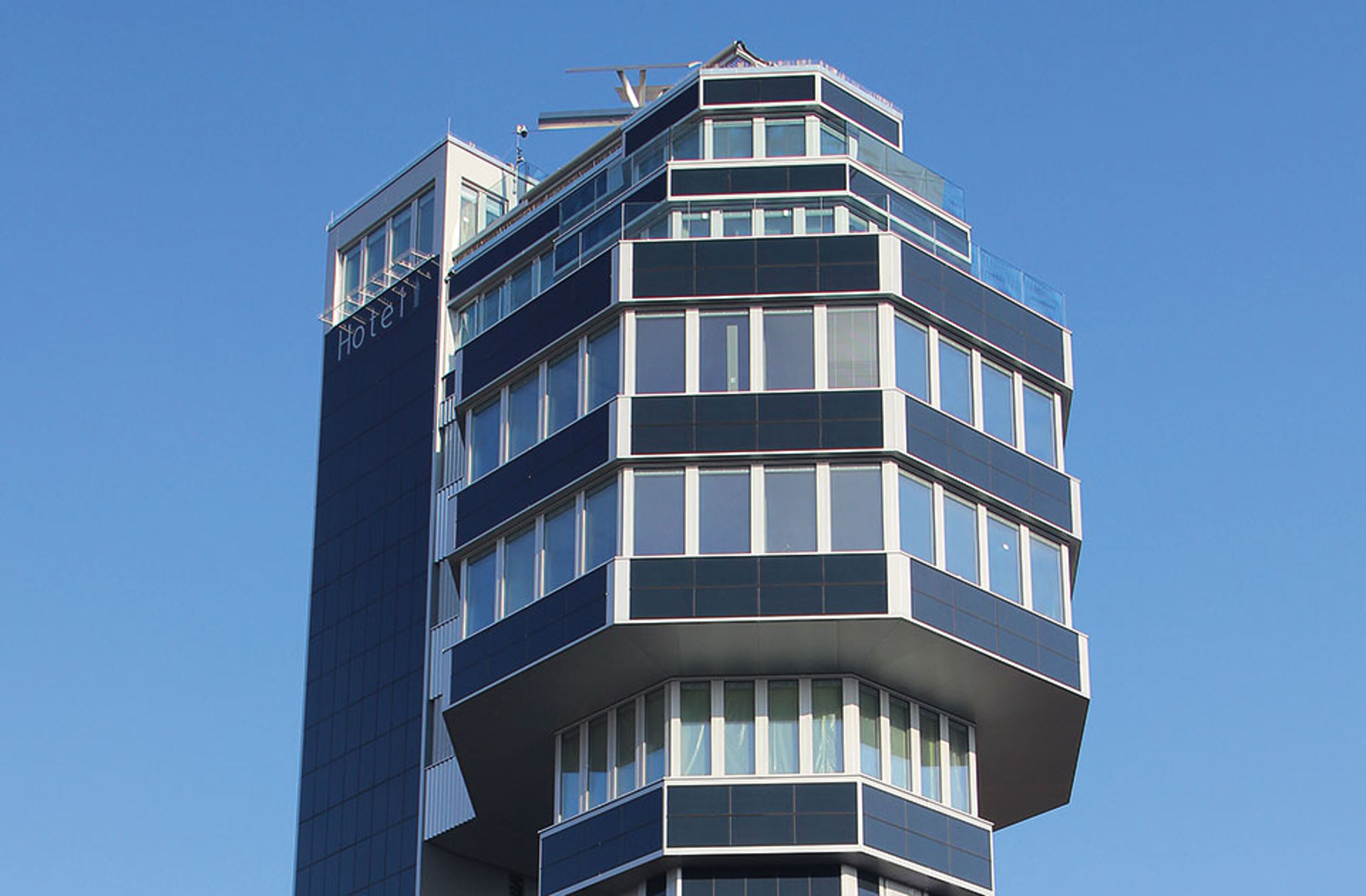
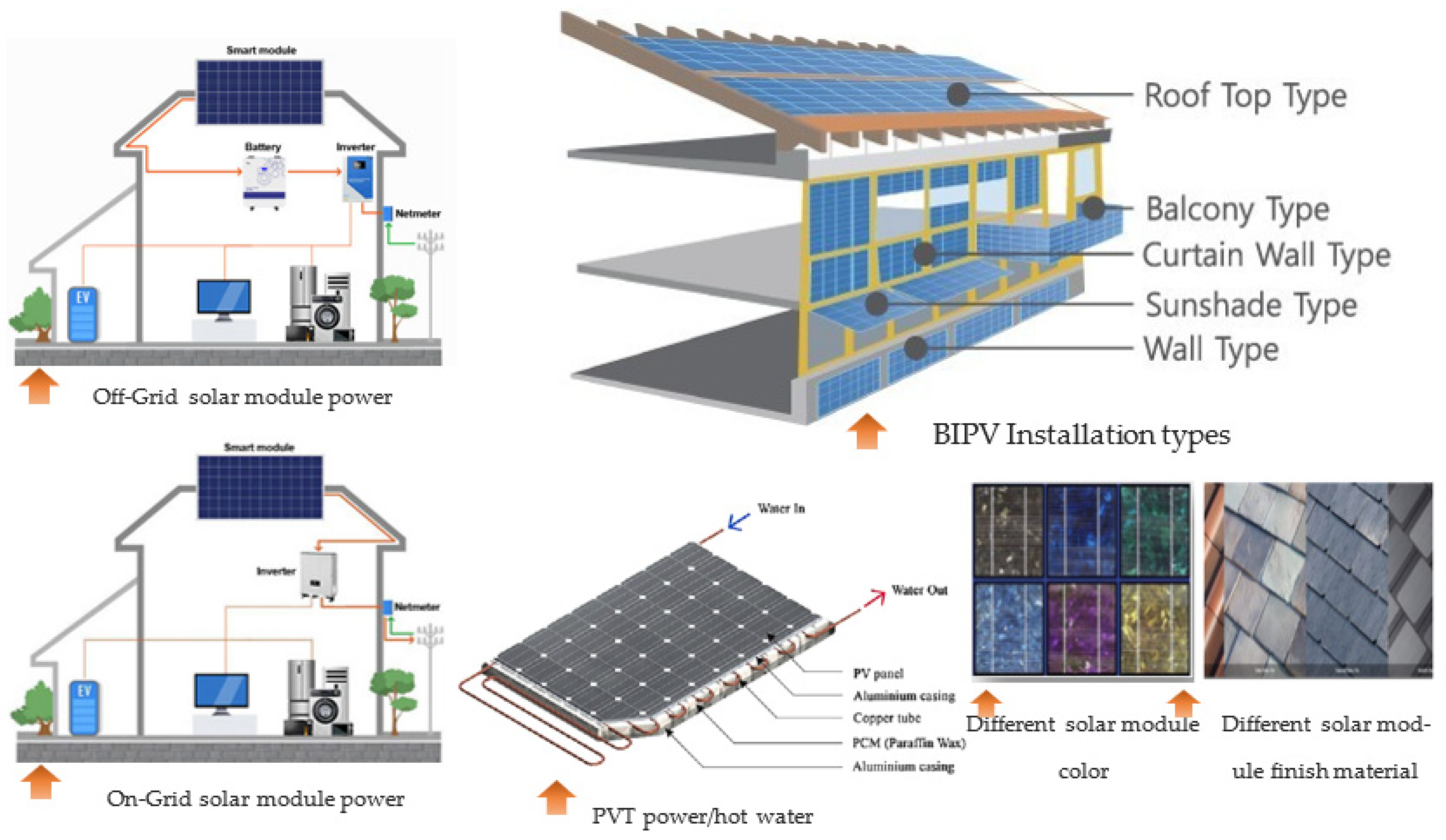
Therefore, this study examines the feasibility of reaching net- zero performance in high-rise buildings using solar energy . To this end, the maximum energy use intensity (kWh/m 2 a) permitted by net- zero energy performance is calculated for different solar systems, geographies, and building geometries.
In this research, the optimization of energy consumption of zero-energy buildings using PCMs in the two study cities of Vancouver and Dubai and its energy supply with a multi-generation geothermal ...
Zero Energy High-Rise Building Performance
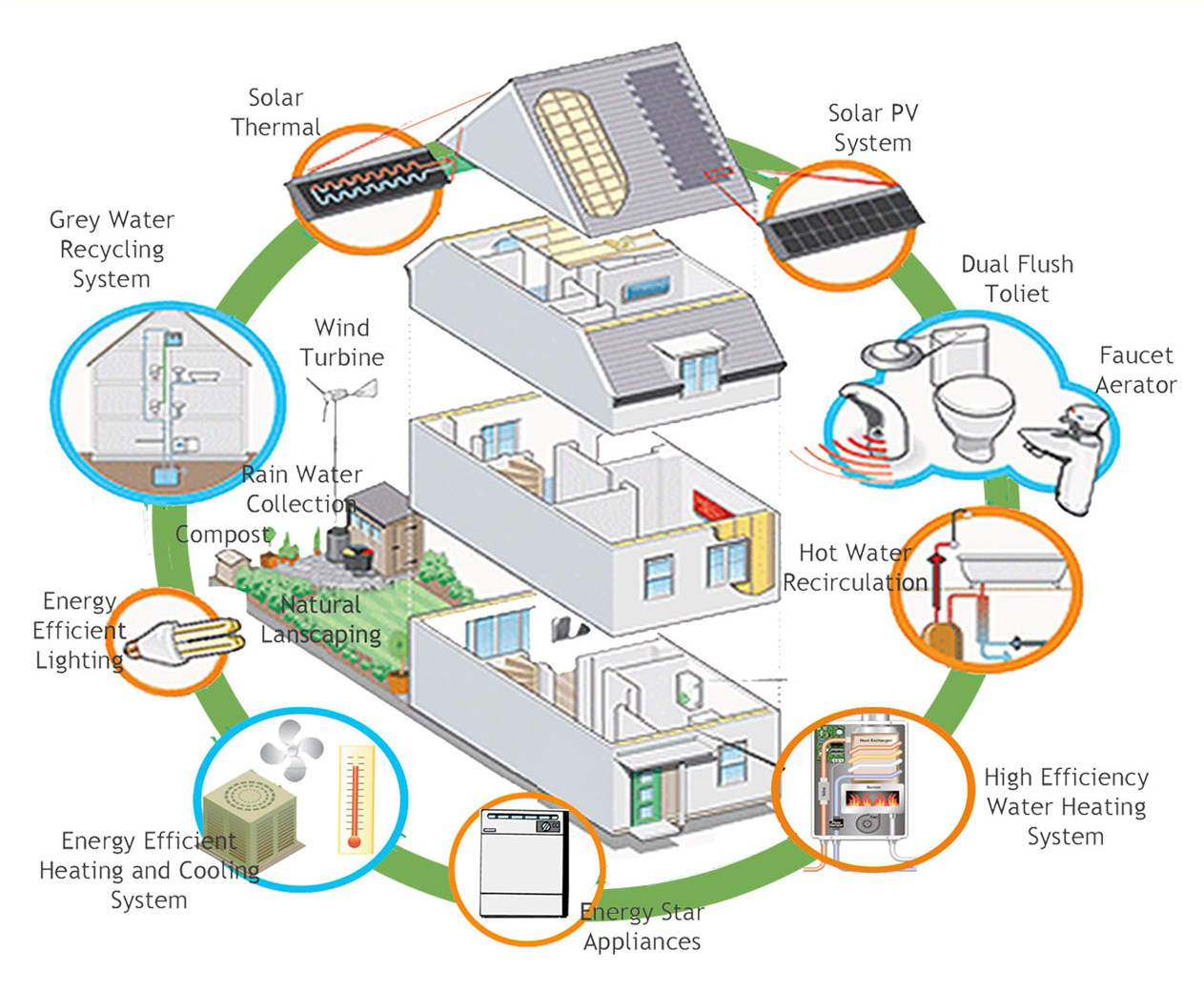
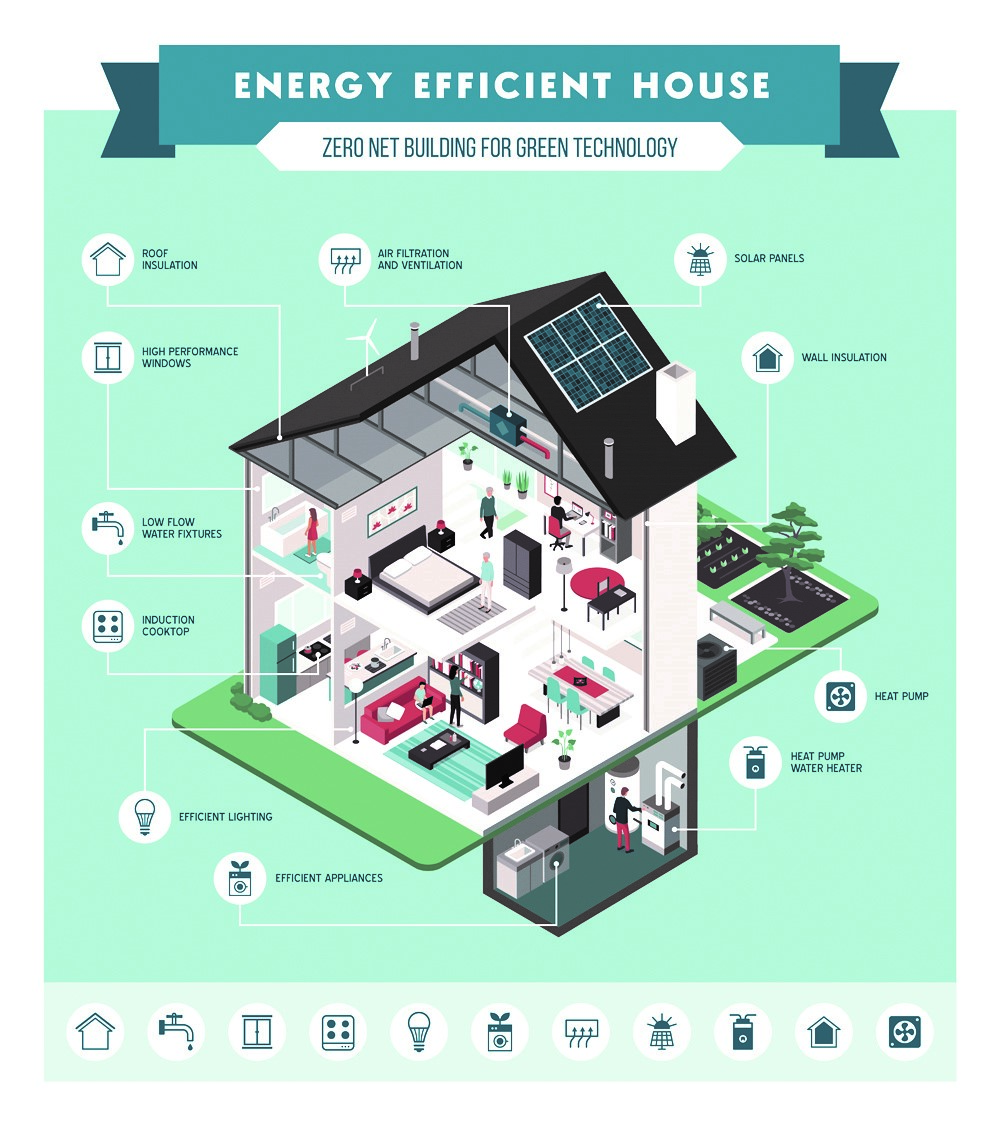
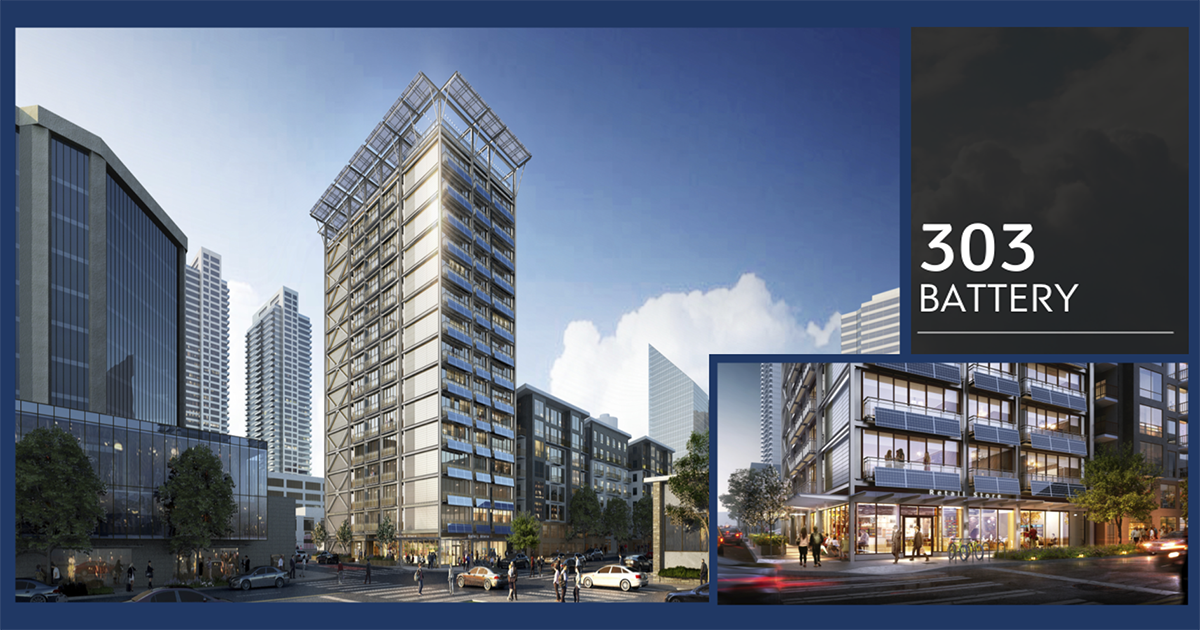
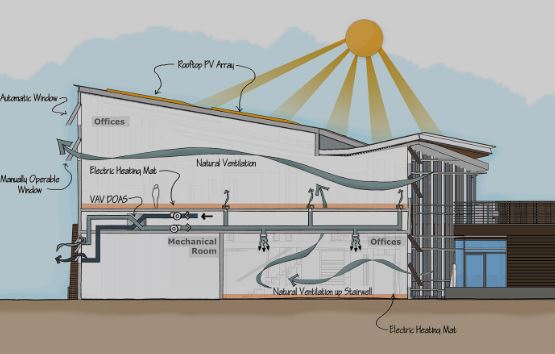
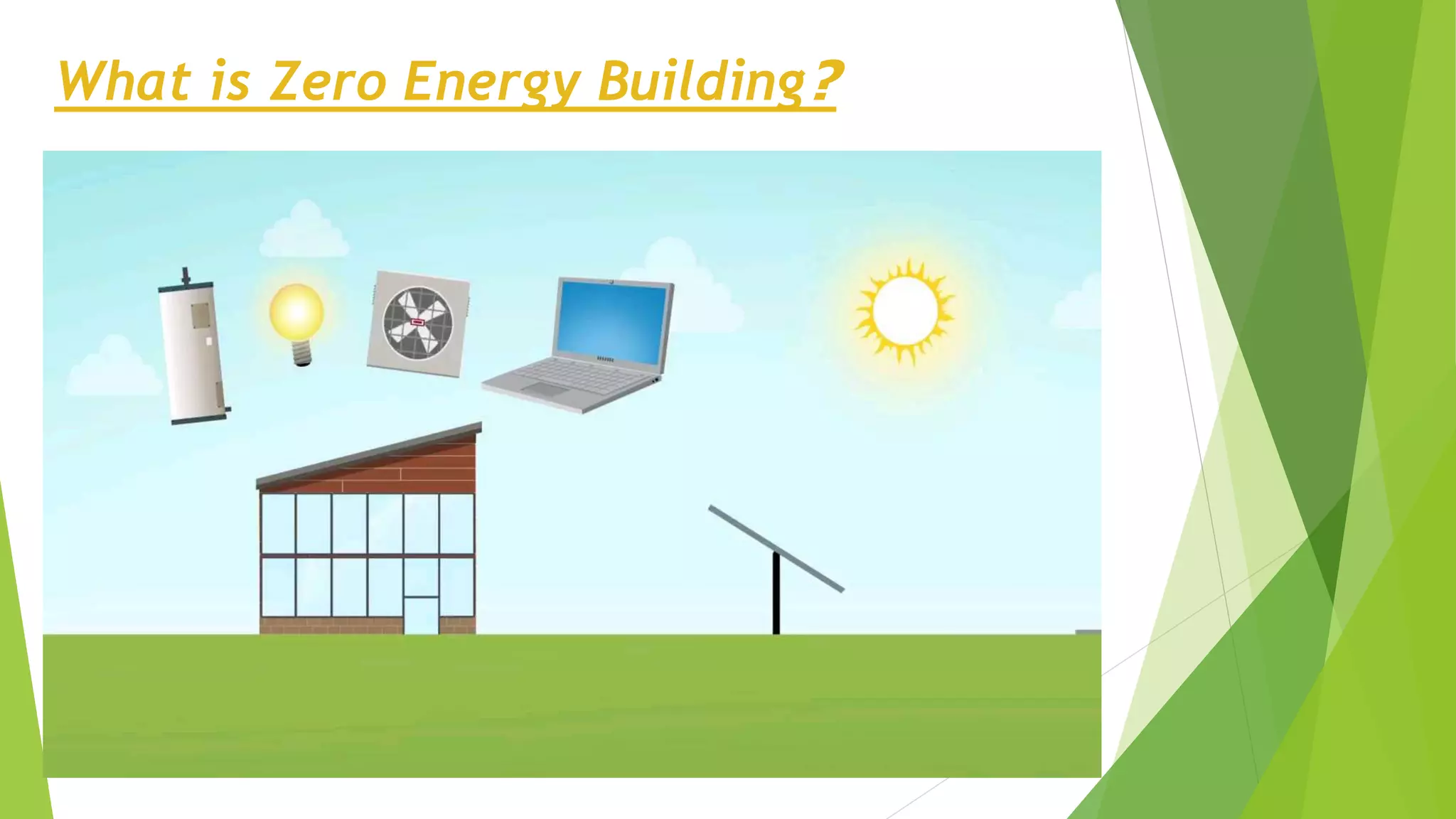
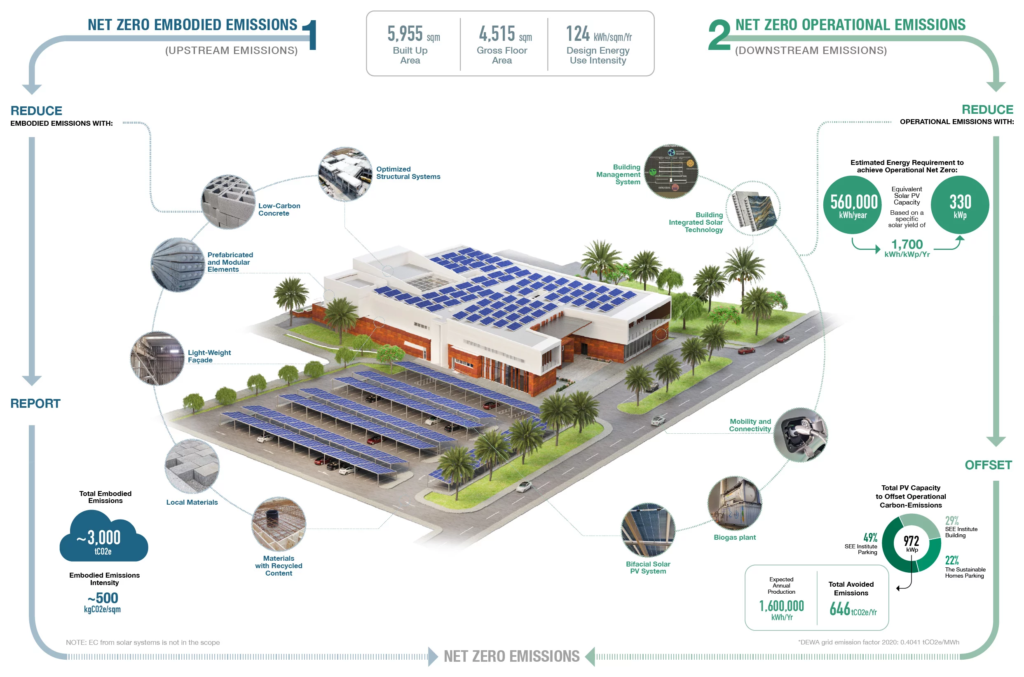
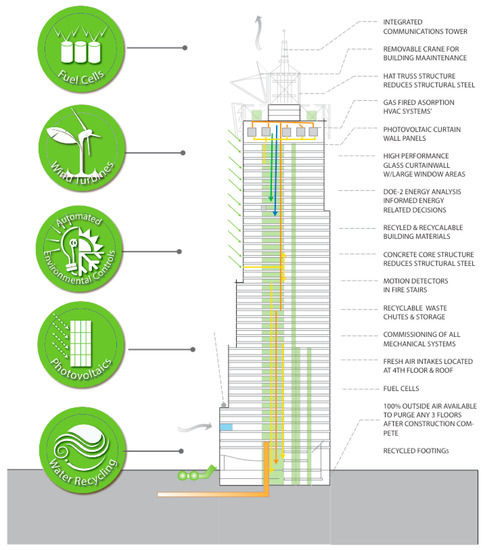
Furthermore, visual representations like the one above help us fully grasp the concept of Zero Energy High-Rise Building Performance.
Examined feasibility of solar-powered net- zero energy high-rise buildings . The maximum permitted EUI by net- zero energy status is 17-28 kWh/m<SUP loc="post">2</SUP>. Meeting this EUI is harder than most stringent building codes. Taller the building , harder it becomes to achieve net- zero energy status. Building orientation impacts maximum permitted EUI.
Zero carbon buildings achieve high energy performance through ...
Zero Energy High-Rise Building Performance
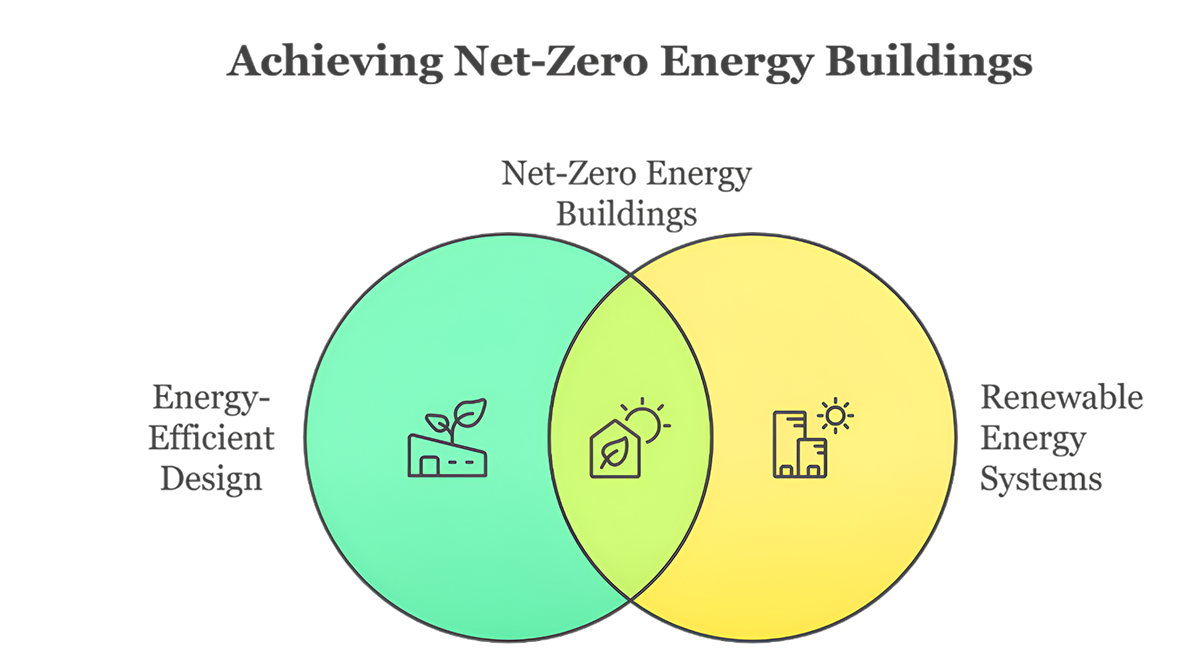
The global construction sector significantly contributes to greenhouse gas emissions, underscoring the urgent need for sustainable building practices. Zero -carbon buildings (ZCBs) offer a promising solution by integrating renewable energy systems with energy -efficient design strategies. This study conducts a comparative analysis of three pioneering ZCB case studies—Bullitt Center (USA ...