Vitamin E for Guinea Pigs
All guinea pig breeds share the same fundamental vitamin E requirements and metabolism, as the vitamin's roles in antioxidant defense, immune function, and tissue health apply equally across breed types.

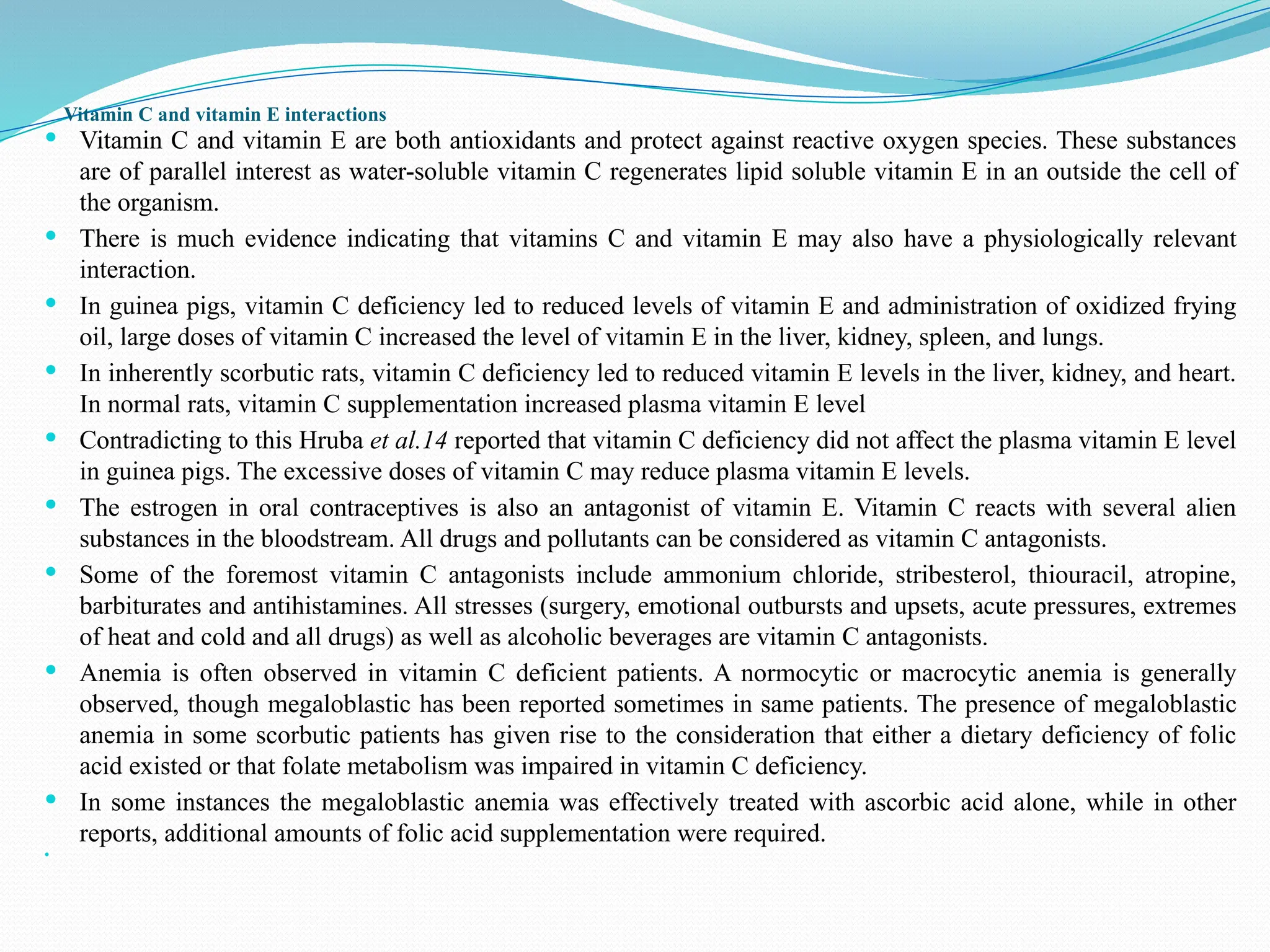
The inability of the guinea pig to synthesize ascorbic acid is the best-known example. The guinea pig is much less able to convert carotene or to store vitamin A than the rat. The guinea pig is more susceptible to a dietary lack of vitamin E showing signs of muscle dystrophy very early in the course of deficiency.

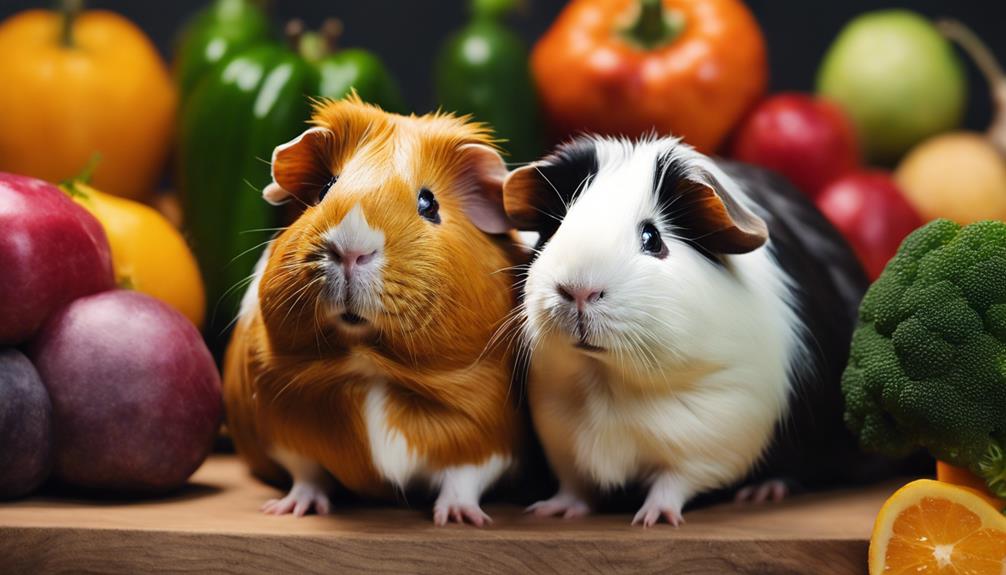
Moving forward, it's essential to keep these visual contexts in mind when discussing Vitamin E Guinea Pig Requirements.
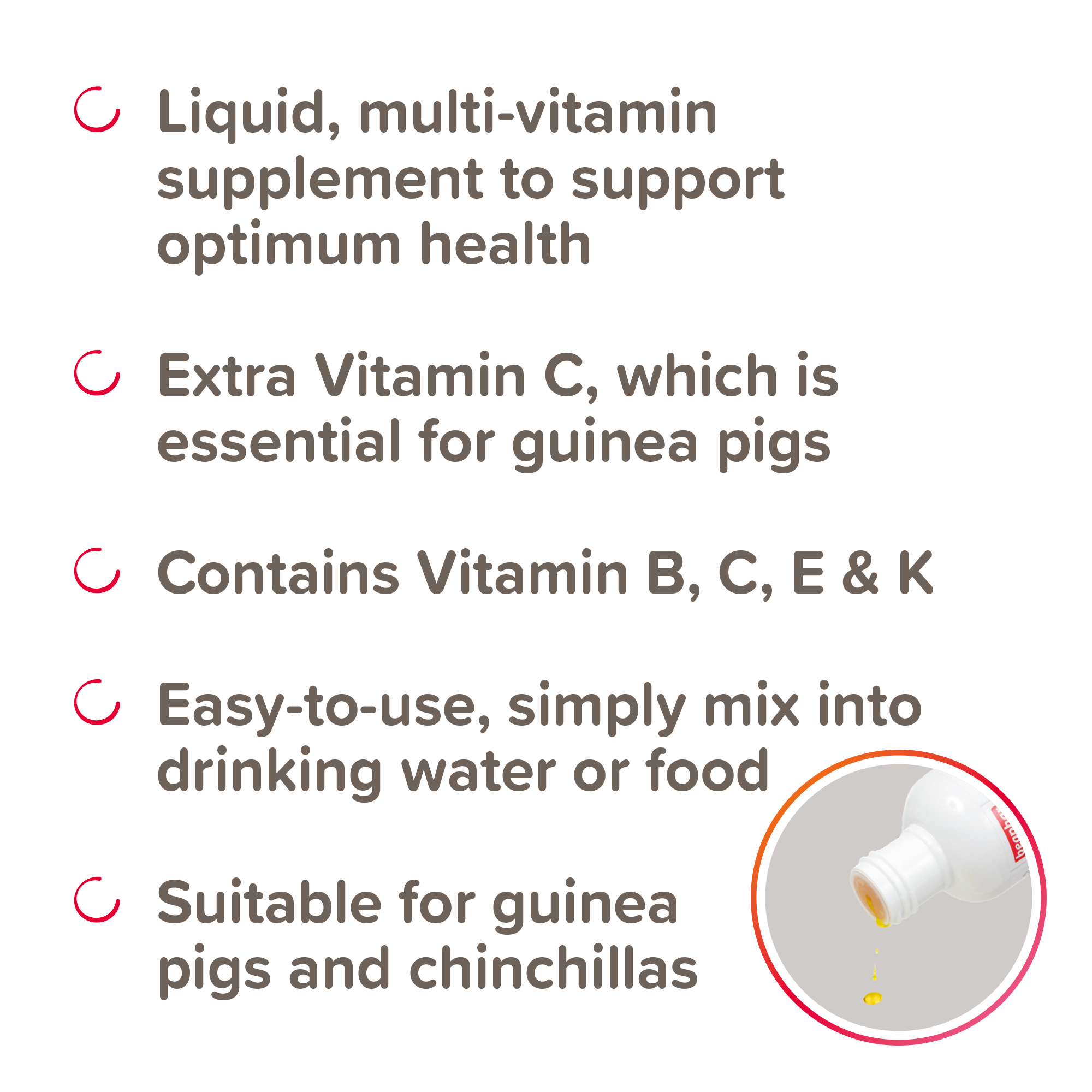
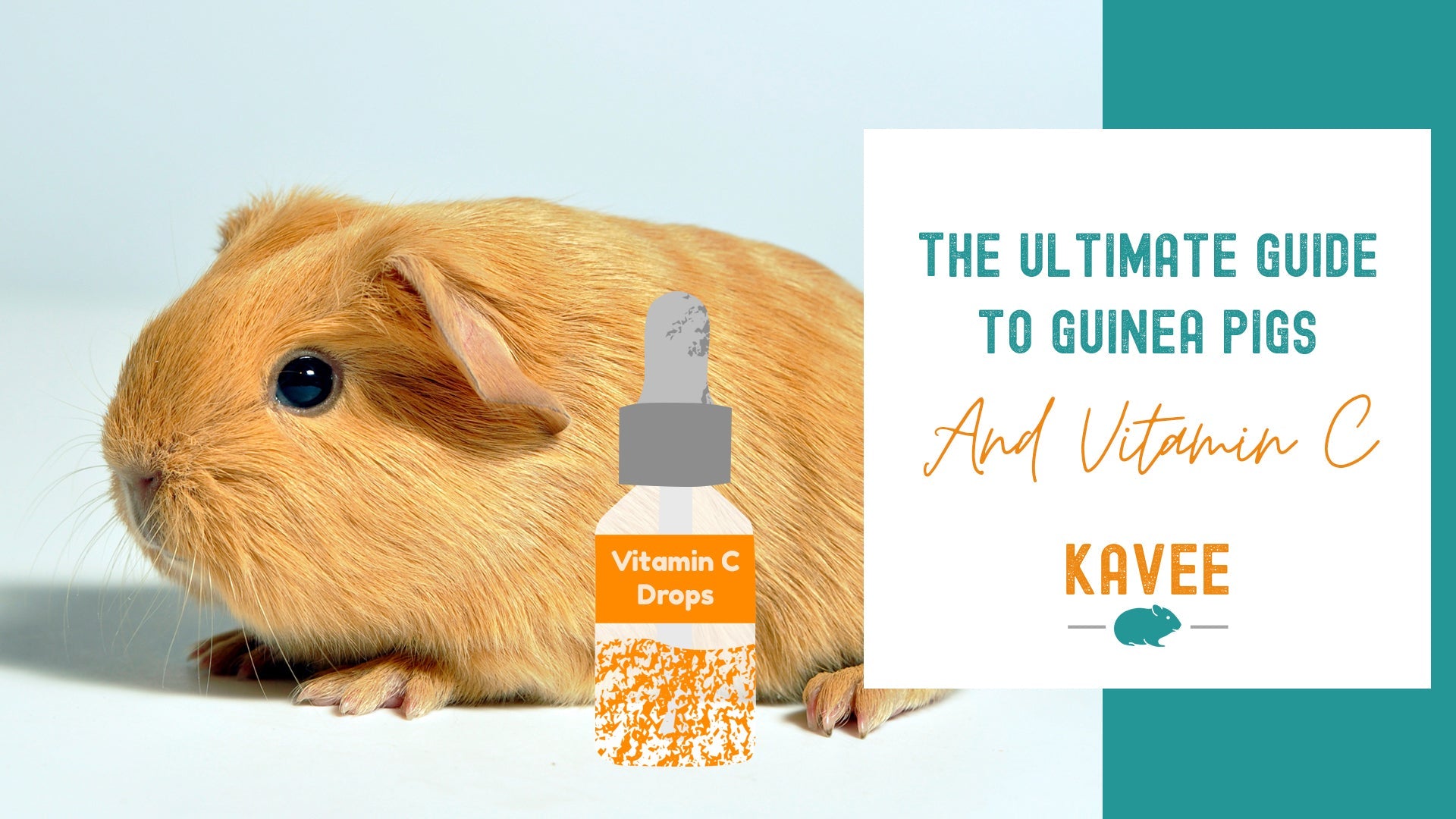
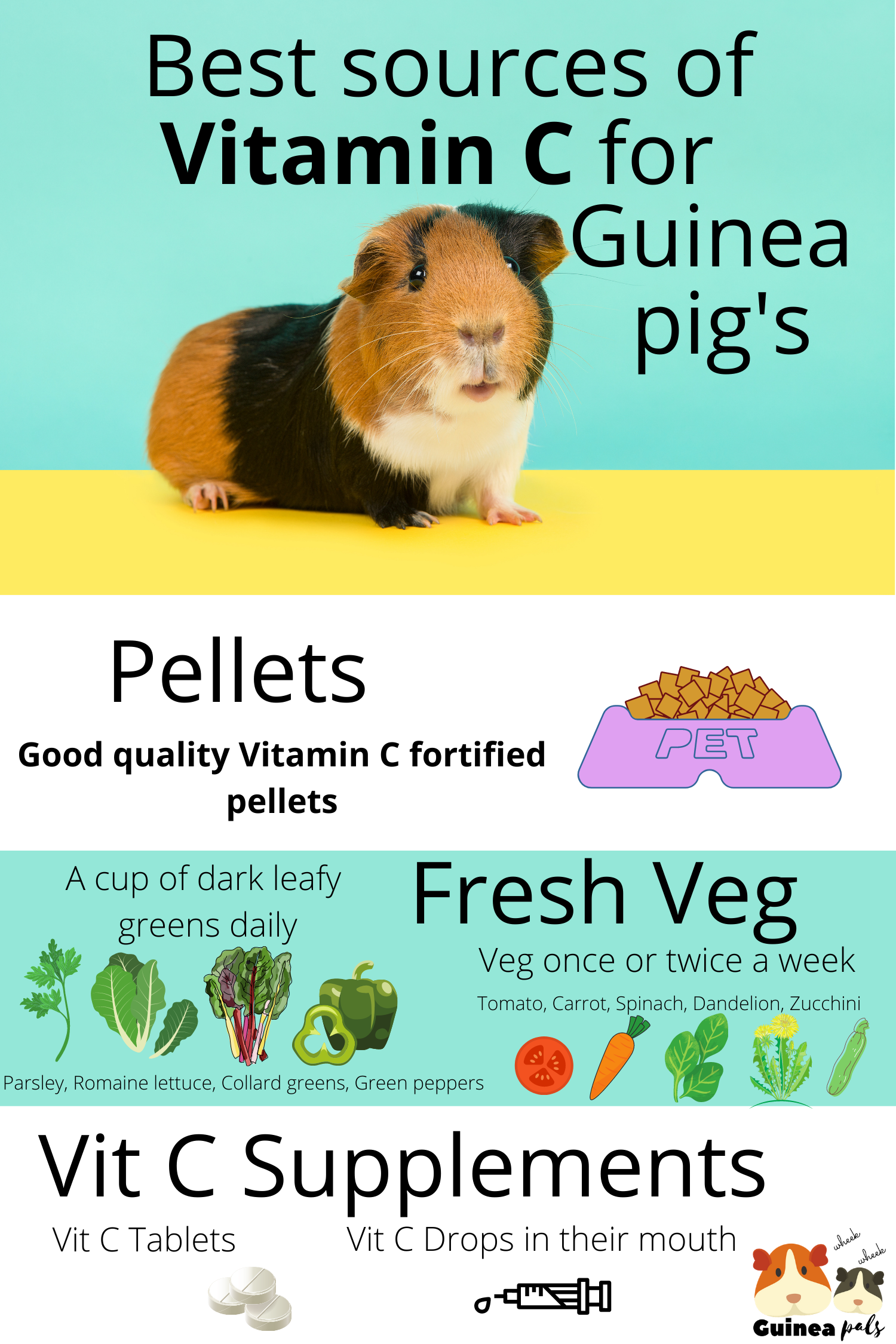
What Kinds of Nutritional Problems Do Guinea Pigs Have? One of the most common nutritional issues in guinea pigs is vitamin C deficiency (scurvy). Guinea pigs , like humans and some other mammals, can't make vitamin C and must get it from their diet. Vitamin C is essential for healthy skin, joints, blood vessels, and other tissues.

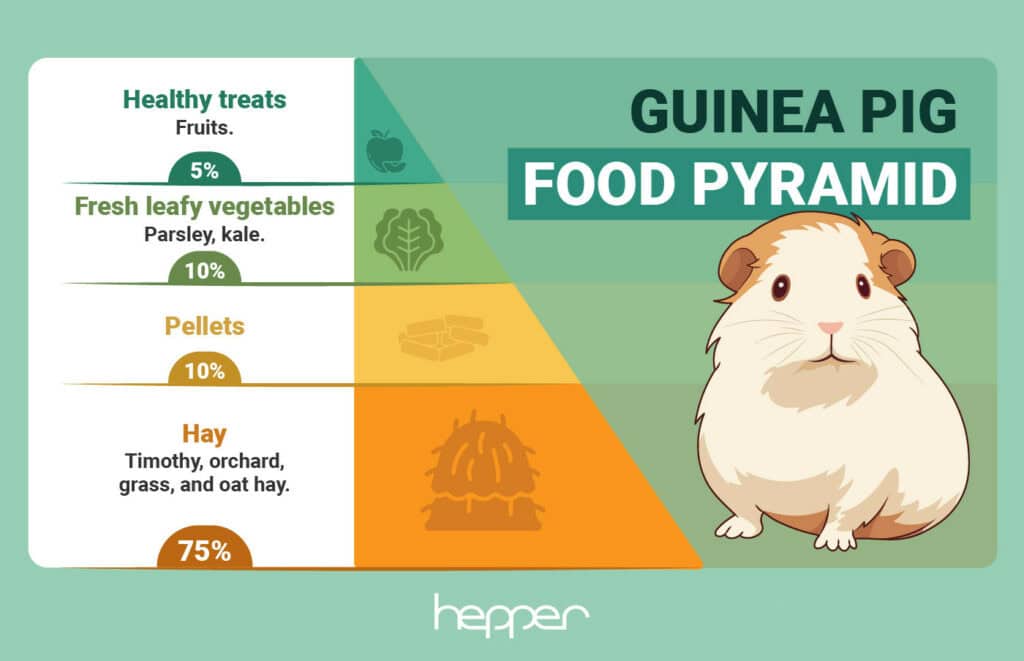
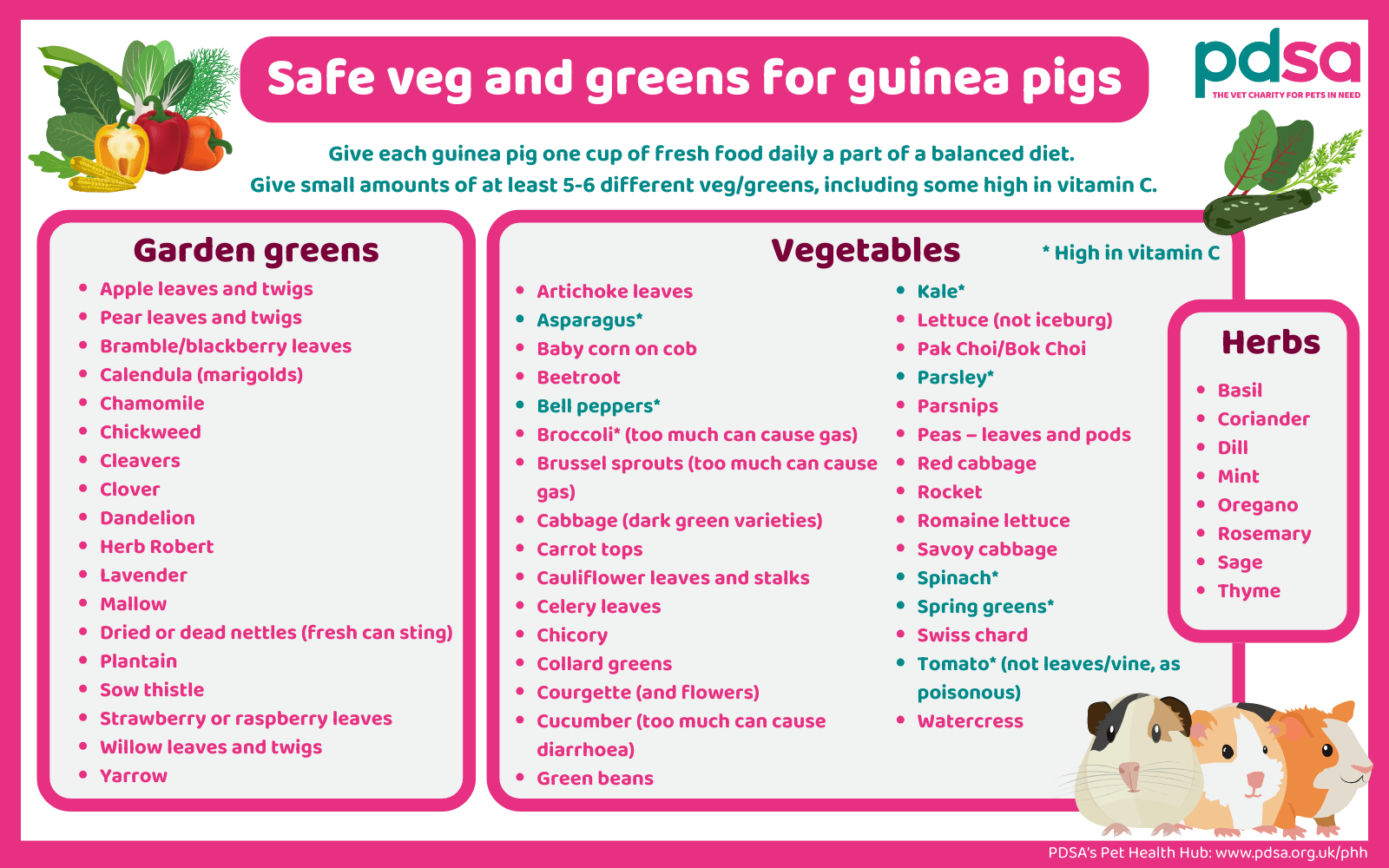
Feeding Your Guinea Pigs
For example, guinea pigs require ample space to move around and are social animals who like being with other guinea pigs . Therefore, they should be kept with at least one other guinea pig to prevent loneliness However, beyond housing and social needs, guinea pigs have unique nutritional requirements that are essential to their health and well ...
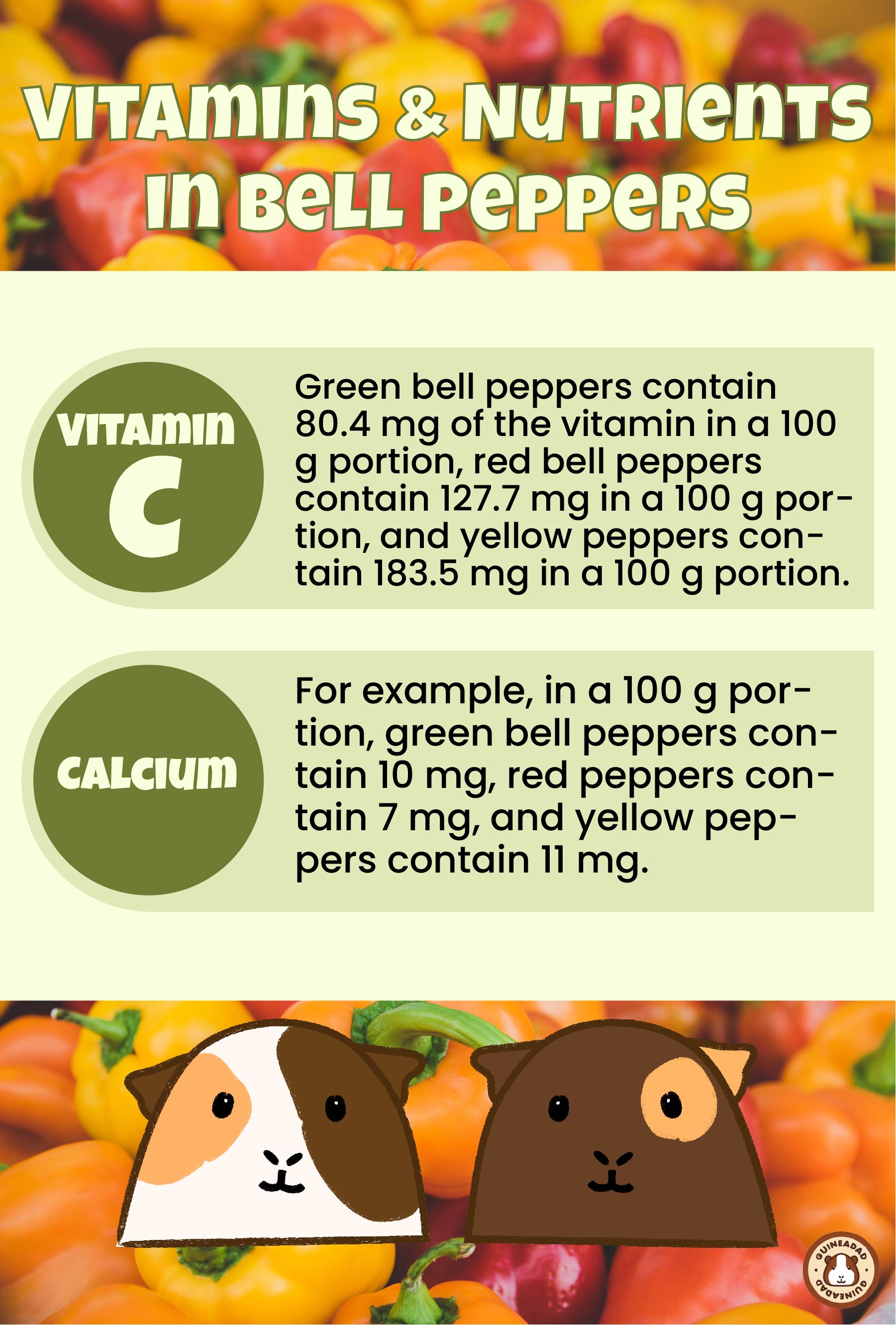
For example, Vitamin C is fundamental for guinea pigs as they cannot synthesize it. They lack the enzyme required to convert glucose to ascorbic acid, making external sources of Vitamin C crucial. The significance of vitamins in a guinea pig's diet includes: Metabolic functions: Vitamins are fundamental for energy production and metabolic pathways.