Mastering Snake Feeding Schedules by Age and Species
Learn a comprehensive guide to snake feeding schedules, tailored to different ages and species , ensuring your pets optimal nutrition and health.
Analysis of metabolic rates across different snake species suggests that energy requirements influence their behavioral ecology. Snakes with higher metabolic rates often exhibit distinct hunting patterns and feeding strategies compared to their slower counterparts.

Moving forward, it's essential to keep these visual contexts in mind when discussing Snake Feeding Practices For Different Species.
The foundation of modern feeding practice rests on three principles that apply across virtually all commonly kept species . First, frozen-thawed prey is safer for the snake and more humane for the prey item. Second, prey size should approximate the widest part of your snake's body, creating a visible but not dramatic lump after feeding .
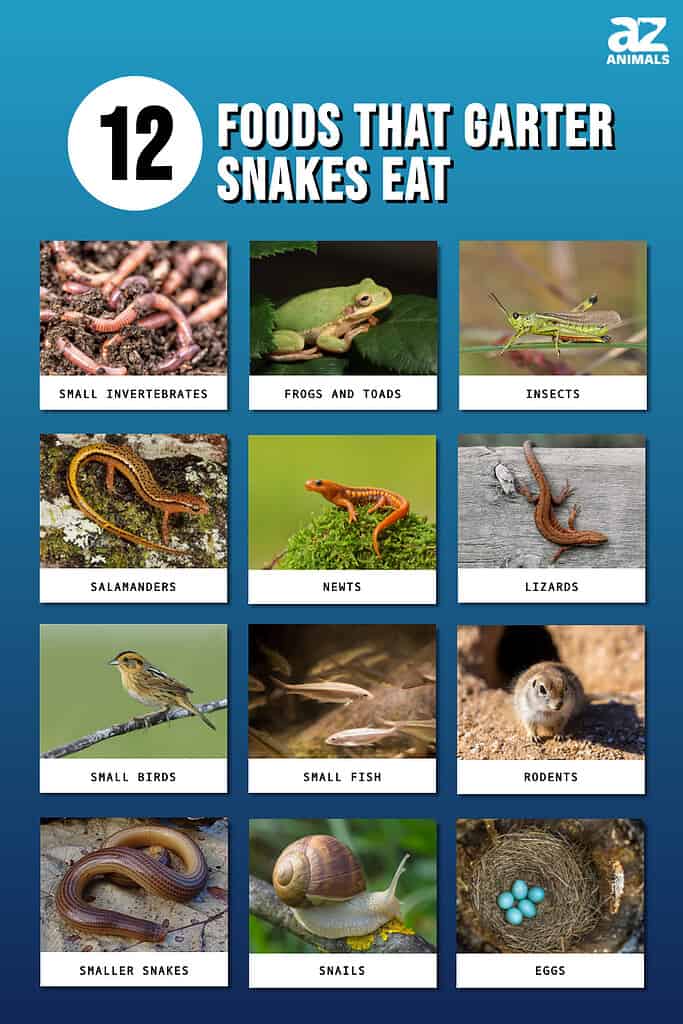
Diverse Prey & Nutrient Analysis for Pet Snake Diets Snakes in human care often lack diversity in the diet. Rodents account for the majority of meals, while wild snakes are consuming a varied diet composed of multiple different whole prey species . By feeding only one species of prey, the chance of deficiencies and other concerns increases.

What do Snakes Eat Snake Diet and Feeding Habits
Let's get straight to it! Diet of Different Snake Species As I've already stated, snakes exhibit varying feeding preferences depending on their habitat and what's available. Here are some examples to consider: Gaboon viper - This African venomous snake prefers mammals like rats and bats but can settle for anything it can catch.