Overview of Sensing Mechanisms In Glucose
Glucose is a ubiquitous nutrient for eukaryotic cells, serving as a source of carbon and energy. In the presence of glucose , a variety of metabolic pathways are affected, resulting in innumerable changes in metabolic intermediates, cofactors and end-products. In addition, different eukaryotic cells use specific mechanisms to sense the presence of glucose (Table 1). The physiological role of ...
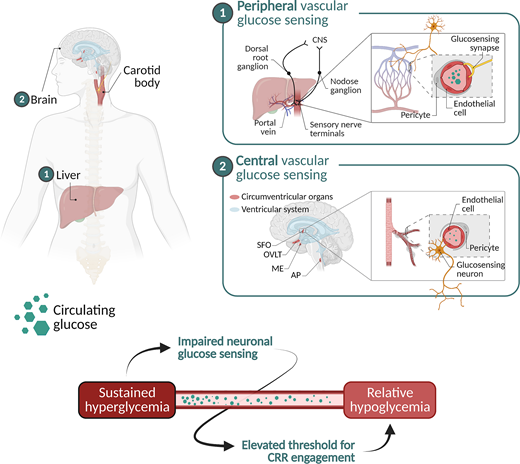
Central Mechanisms of Glucose Sensing and Counterregulation in Defense ...

This particular example perfectly highlights why Sensing Mechanisms In Glucose is so captivating.
The glucose - sensing mechanisms described above rely on glucose metabolism, but metabolism-independent pathways have also been reported. Sodium- glucose cotransporters (SGLTs) link the inward transport of glucose and sodium, and as glucose levels increase and are transported into the cell, the cotransport of sodium ions would lead to depolarization.
Here, we present the autonomic innervation of the pancreatic islets; the mechanisms of neuron activation by a rise or a fall in glucose concentration; how current viral tracing, chemogenetic, and optogenetic techniques allow integration of specific glucose sensing neurons in defined neuronal circuits that control endocrine pancreas function ...

As we can see from the illustration, Sensing Mechanisms In Glucose has many fascinating aspects to explore.
Neuroendocrine control of glucose homeostasis
Specialized hypothalamic glucose - sensing neurons detect changes in glucose availability through mechanisms shared with pancreatic β-cells and translate this information into adaptive autonomic and behavioral responses to maintain glucose stability.

This particular example perfectly highlights why Sensing Mechanisms In Glucose is so captivating.
The first response to a fall in glucose is the detection of impending hypoglycemia by hypoglycemia-detecting sensors, including glucose - sensing neurons in the hypothalamus and other regions. This detection is then linked to a series of neural and hormonal responses that serve to prevent the fall in blood glucose and restore euglycemia.