Nutritional Disorders in Captive Reptiles
husbandry and nutrition, nutritional -related disorders are still commonly seen in captive animals. Lizards, snakes and chelonians make up an extremely large and diverse group of reptiles with

A veterinary-level 3000+ word guide to recognizing and preventing dangerous nutritional deficiencies like Metabolic Bone Disease (MBD), hypovitaminosis, and thiaminase toxicity in snakes through a high-quality whole prey diet.

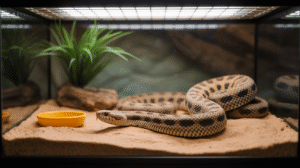
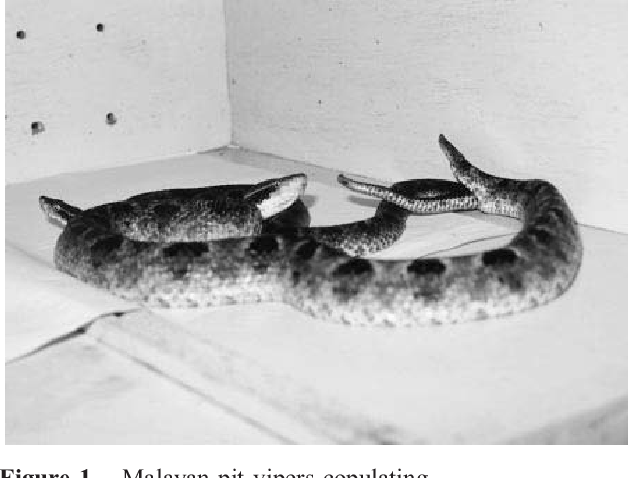
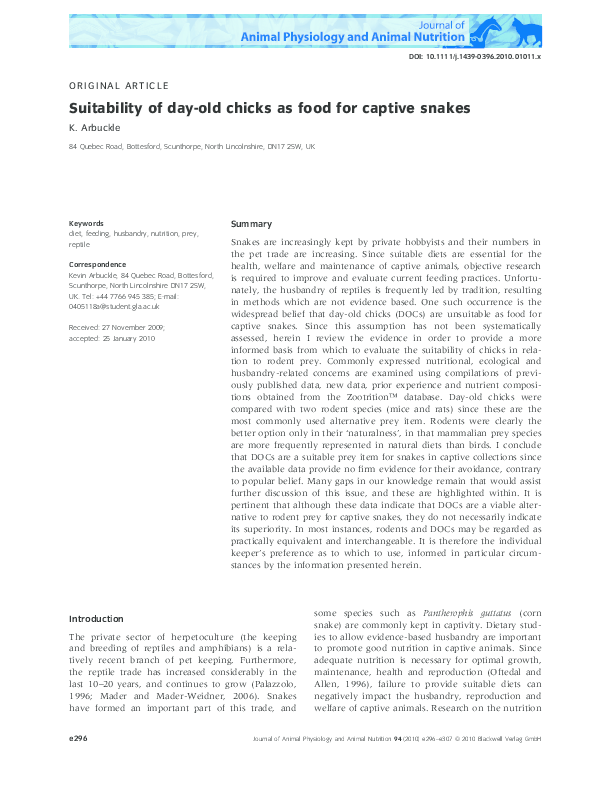
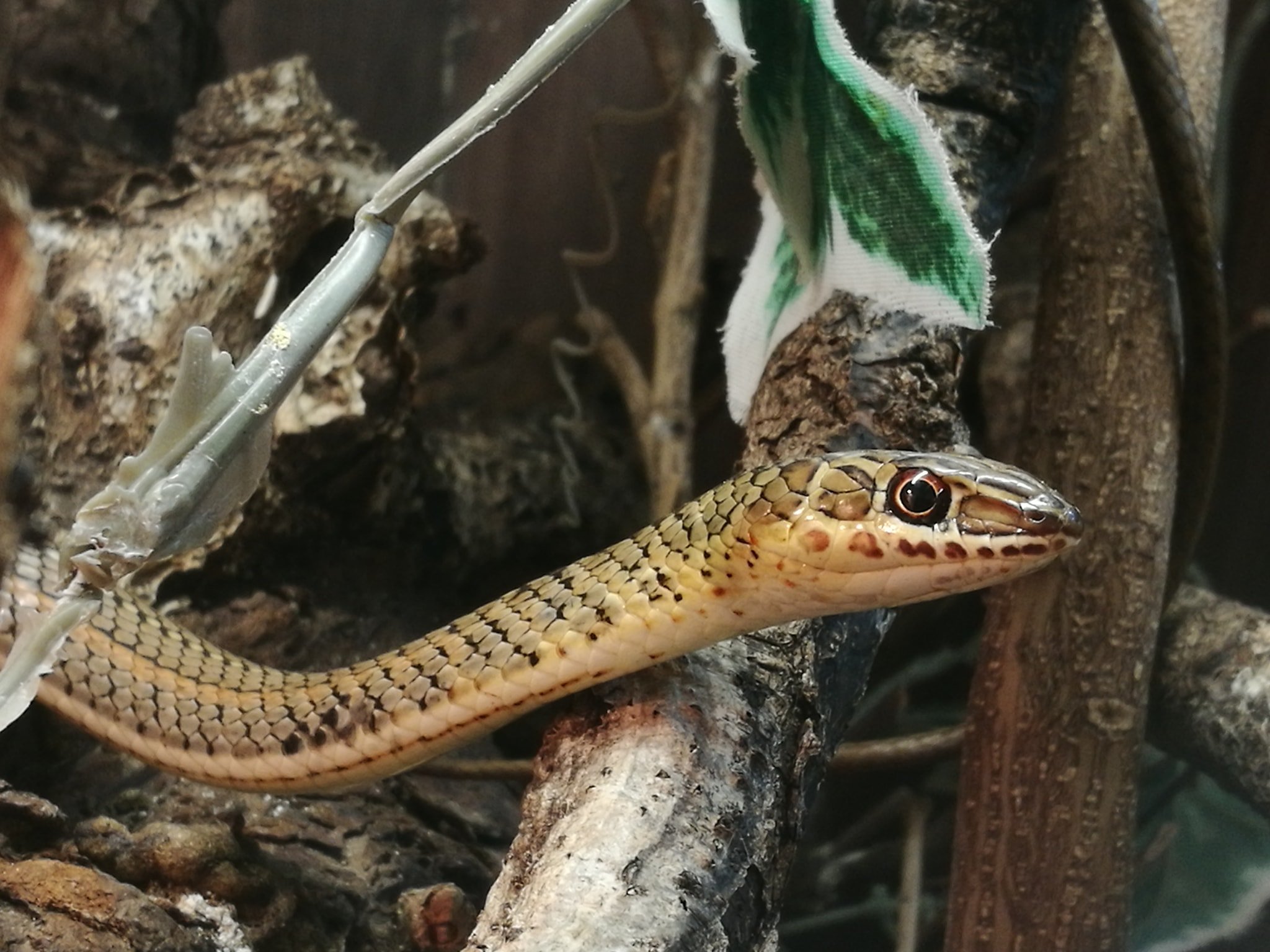
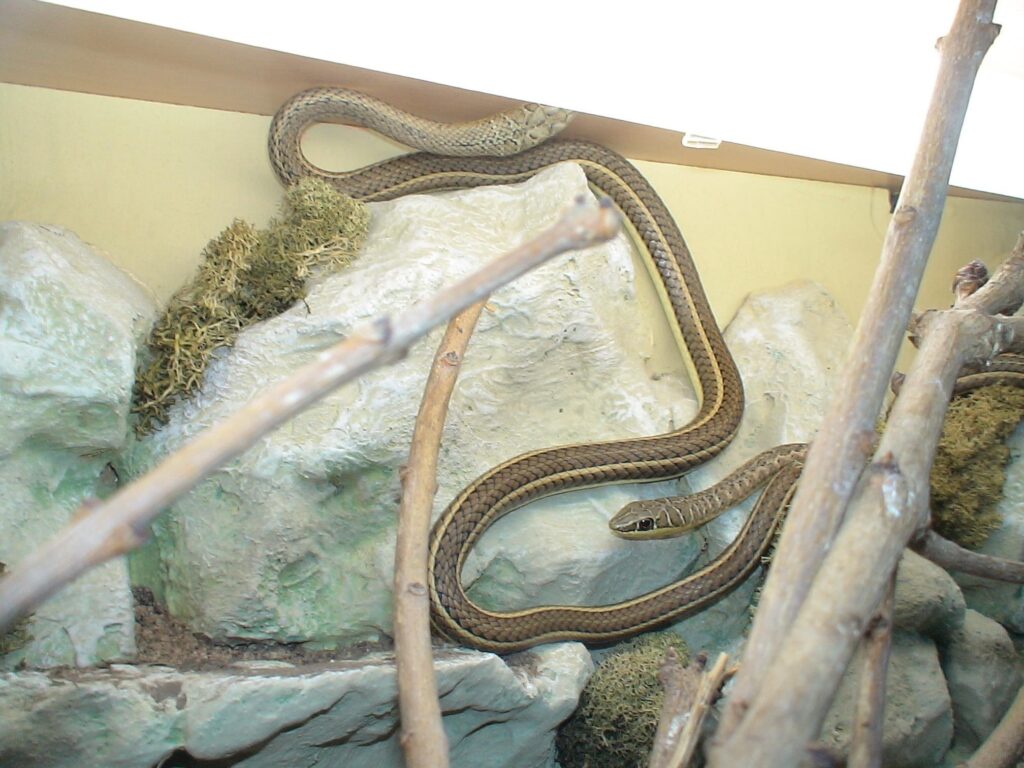
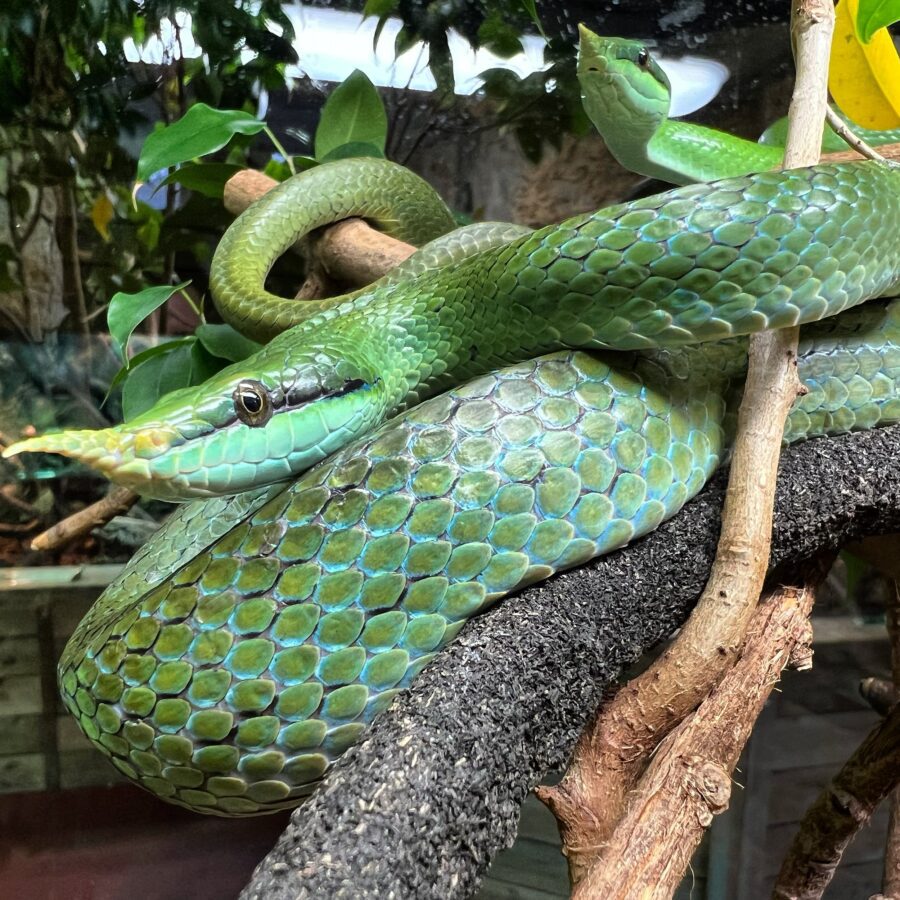
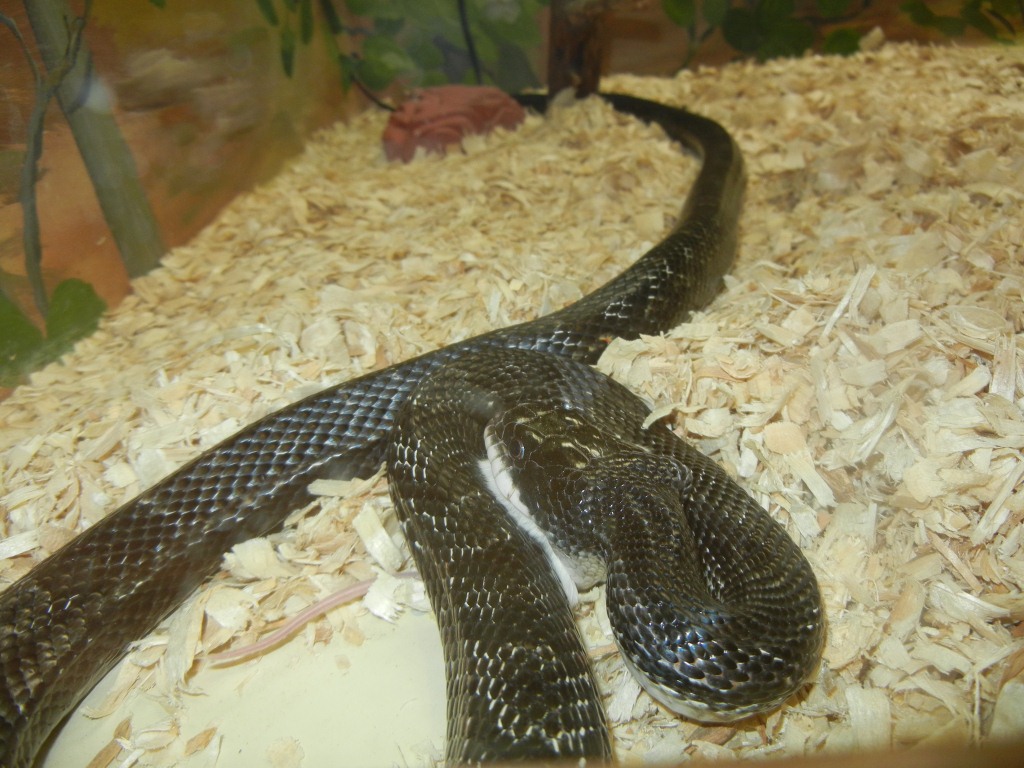
Moving forward, it's essential to keep these visual contexts in mind when discussing Nutritional Challenges In Captive Snake Husbandry.
Nutritional problems in captive snakes are among the most common health issues reptile veterinarians encounter, and the frustrating truth is that nearly all of them are preventable. Unlike cats or dogs whose diets require balancing multiple commercial ingredients, snake nutrition should be relatively straightforward - whole prey items provide a complete nutritional package when offered at ...
Veterinarians seeing reptiles in practice may be presented with a wide variety of species that need to be managed in diverse ways. Diet, feeding management, and the risks of nutritional disorders should be considered for all reptile patients, regardless of the patient's origin and apparent health and the clients' goals and husbandry practices. Captive reptiles kept without regard for their ...