Mouse Frozen-Thawed Organ Transplants For Research
The Ultimate Collection: Mouse Frozen-Thawed Organ Transplants For Research Captured on Camera
Cryopreservation of mouse thymus depletes thymocytes but supports ...
Cryopreservation of mouse thymus depletes donor thymocytes but preserves thymus function when transplanted after thawing into athymic mice. No differences in immune reconstitution were observed between fresh and frozen/thawed transplants suggesting that donor thymocyte depletion does not affect outcome. Thus, cryopreservation of thymus may improve outcomes in thymus transplant patients.
Mouse Frozen-Thawed Organ Transplants For Research
Furthermore, visual representations like the one above help us fully grasp the concept of Mouse Frozen-Thawed Organ Transplants For Research.
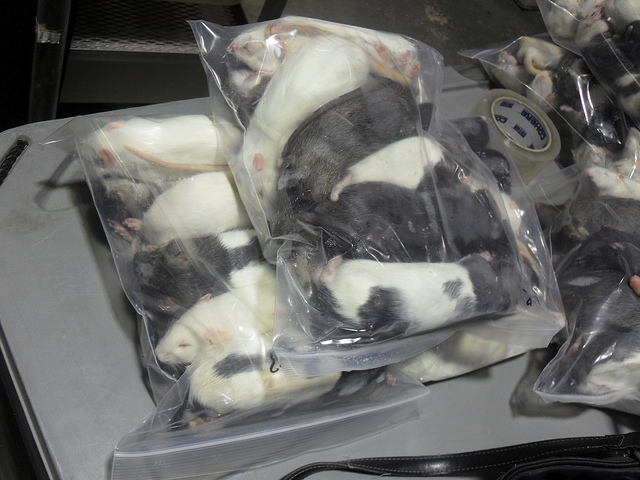
Scientists have performed the first successful transplant of an organ that had been cryogenically frozen and rewarmed, thanks to a new preservation chemical. Rats that were given transplants of kidneys preserved through this technique regained regular organ function within weeks, paving the way for …
Mouse Frozen-Thawed Organ Transplants For Research
As we can see from the illustration, Mouse Frozen-Thawed Organ Transplants For Research has many fascinating aspects to explore.
Transplanted human thymus slices induce and support Tcell development ...
We therefore decided to use a nude mouse model of human thymus transplantation 6 to test if slices of human thymus tissue that have been frozen and thawed could still induce and support T‐cell development. The slices that are transplanted into patients are approximately 1mm thick 2, 3, 4, 5.