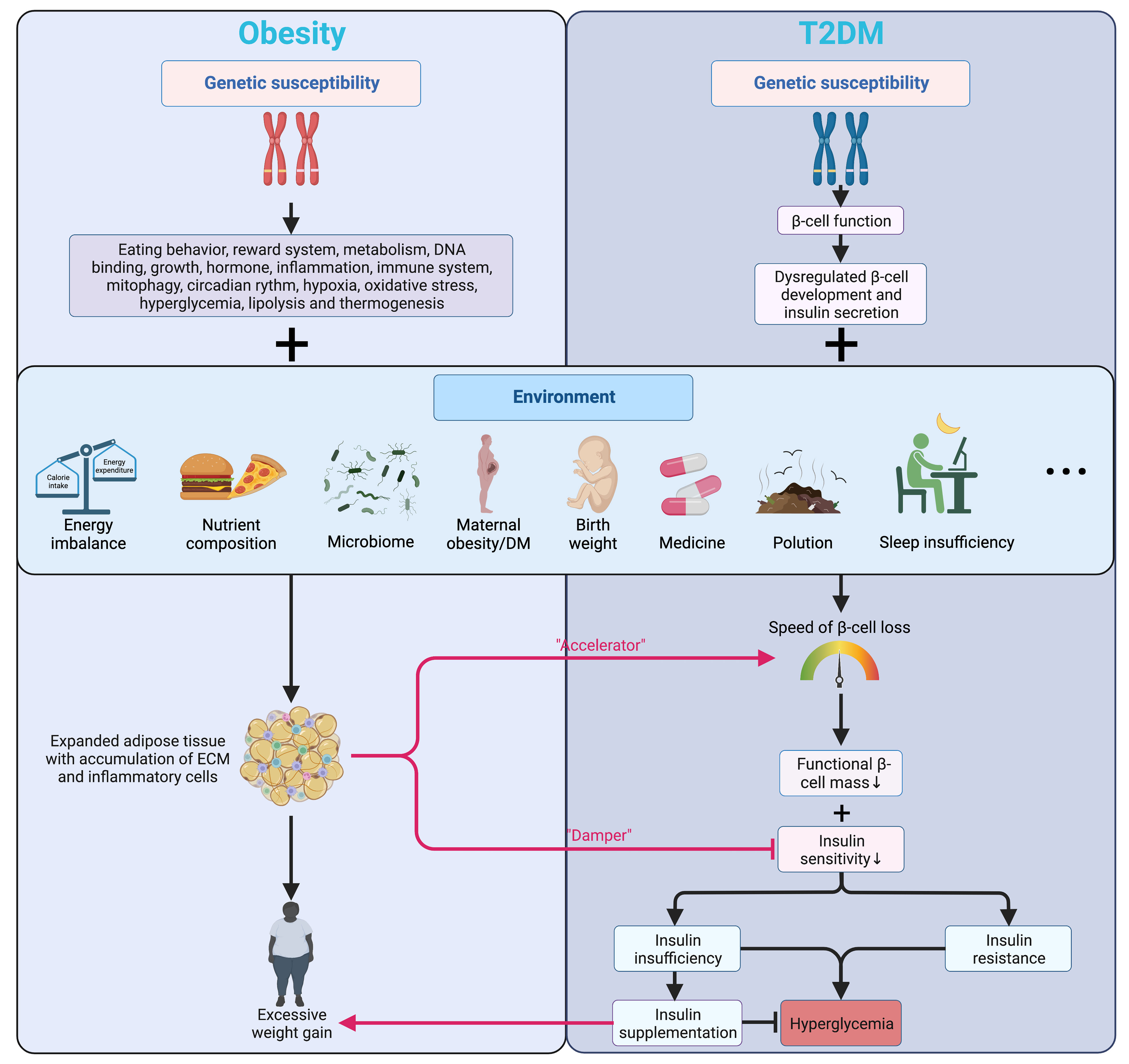
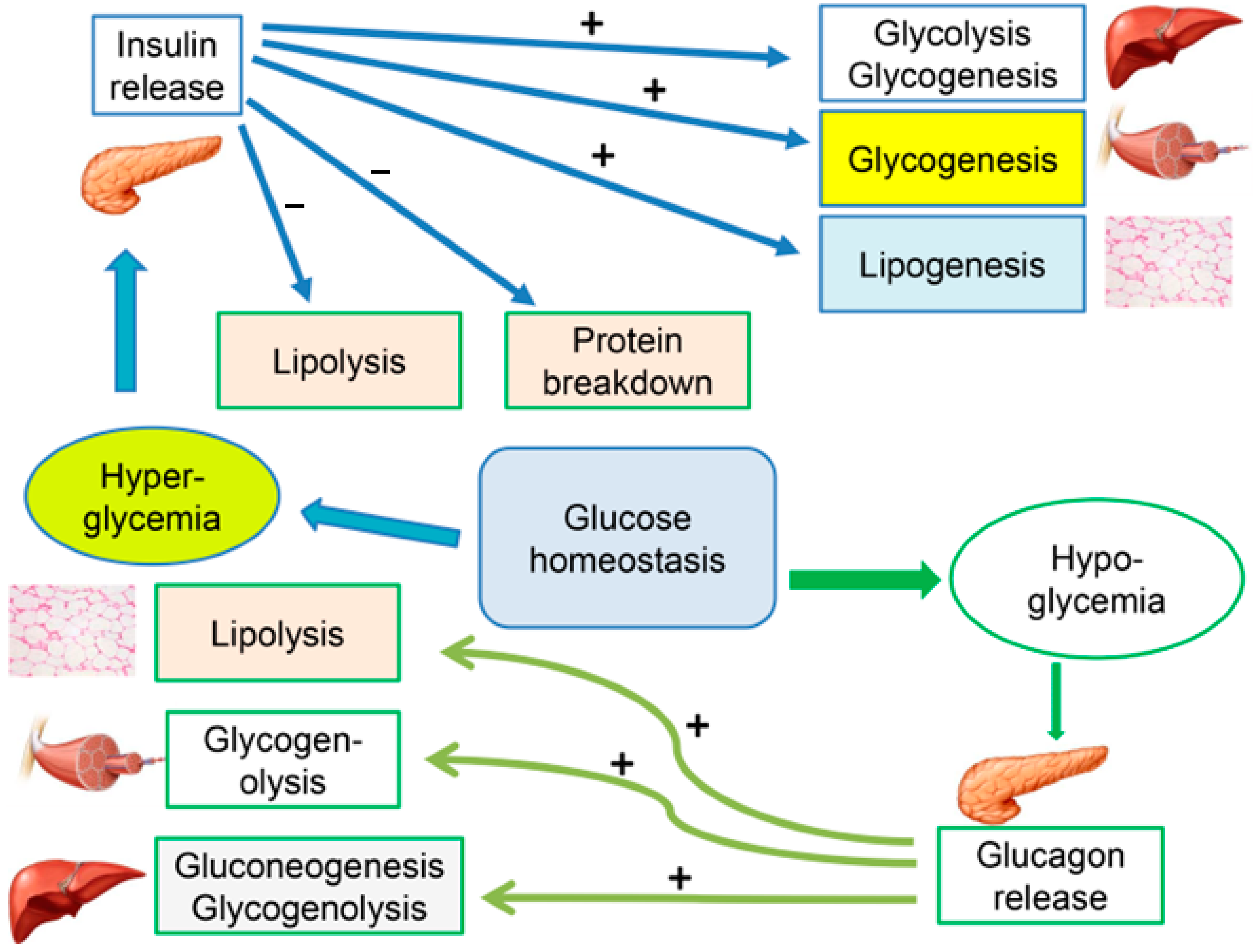
A Visual Journey and Ultimate Guide to Mechanistic Studies In Type 2
Overview of Mechanistic Studies In Type 2
Studies were selected if they (i) applied single-cell or multi-omics approaches to human or mammalian T2DM samples and (ii) contributed to mechanistic , computational, or translational understanding of disease pathophysiology.
Mechanistic Studies In Type 2
Such details provide a deeper understanding and appreciation for Mechanistic Studies In Type 2.
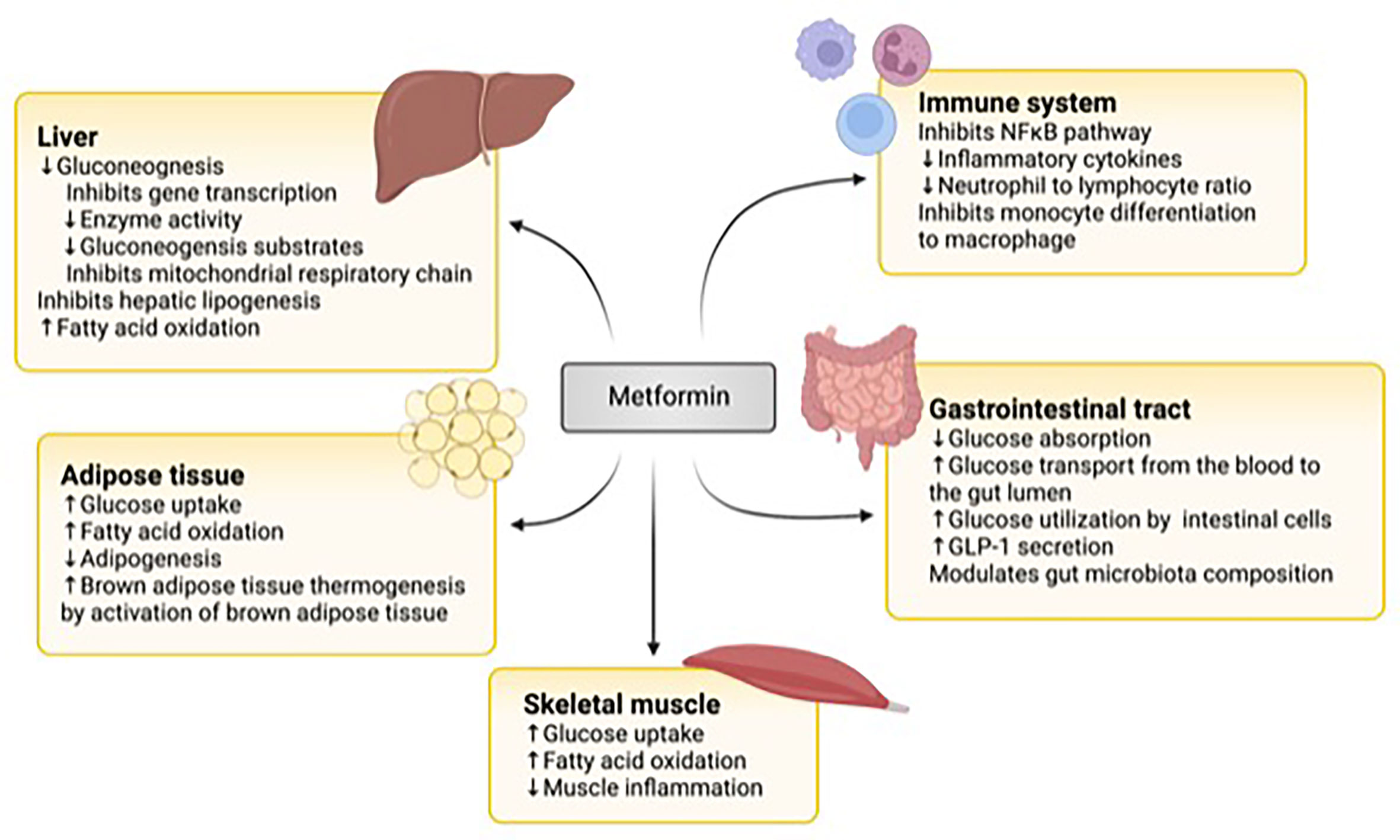
The accelerated atherosclerosis and cardiovascular disease in diabetes is likely to be multifactorial and therefore several therapeutic approaches can be considered. Results of mechanistic studies done in vitro and in vivo—animals and people—can provide important insights with the potential to improve clinical management decisions and outcomes.
Mechanistic Studies In Type 2
The accelerated atherosclerosis and cardiovascular disease in diabetes is likely to be multifactorial and therefore several therapeutic approaches can be considered. Results of mechanistic studies done in vitro and in vivo--animals and people--can provide important insights with the potential to improve clinical management decisions and outcomes.
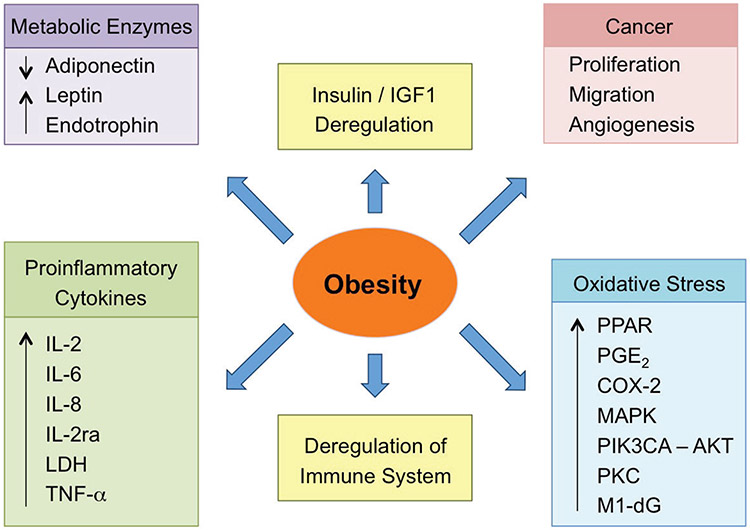
Several mechanisms are likely to contribute to the accelerated atherosclerosis and increased cardiovascular disease risk noted in patients with type 2 diabetes mellitus. We focus on areas in which basic mechanistic studies have high relevance to present clinical controversies to understand and address cardiovascular disease risk in people with diabetes. We assess pathophysiological information ...