Influence of GLP
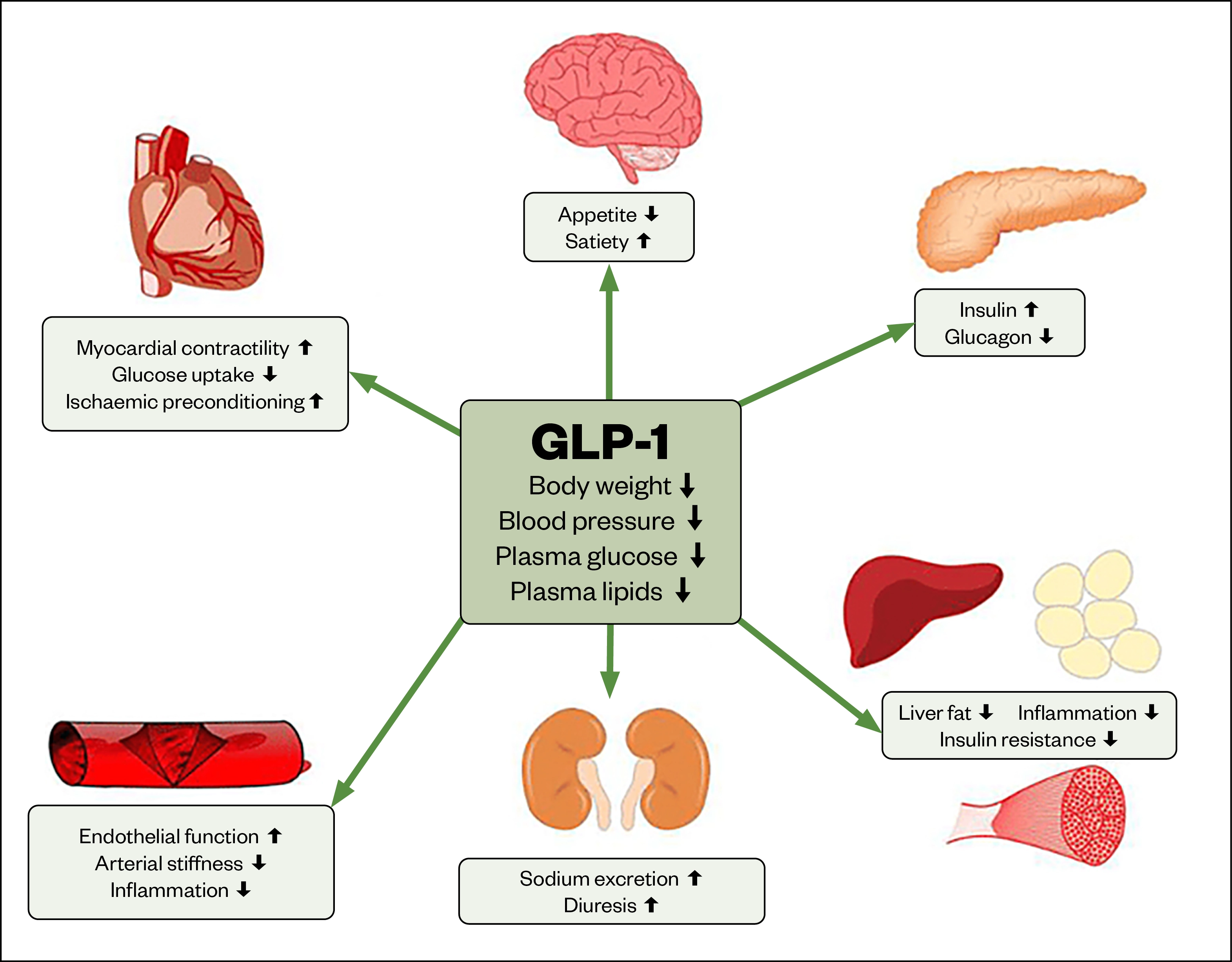
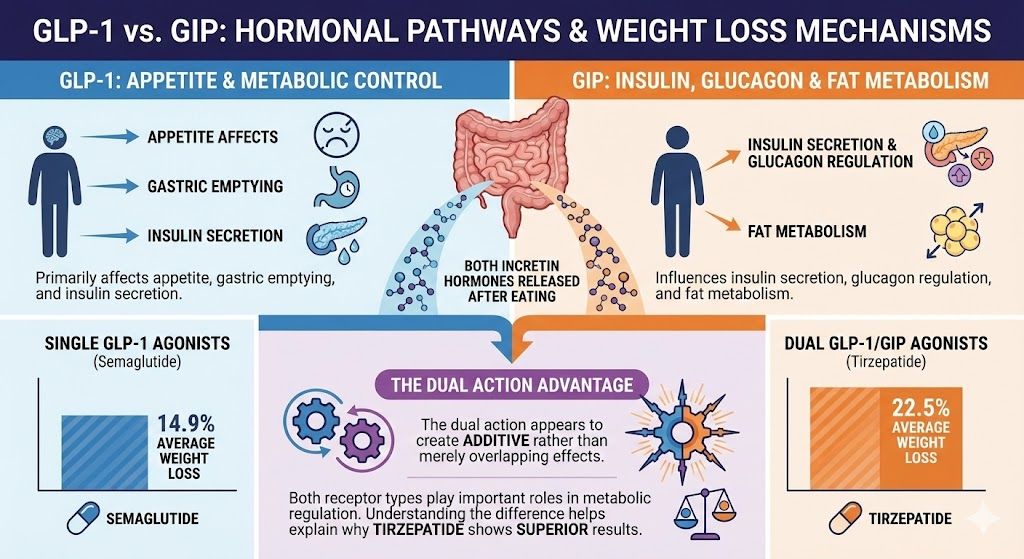
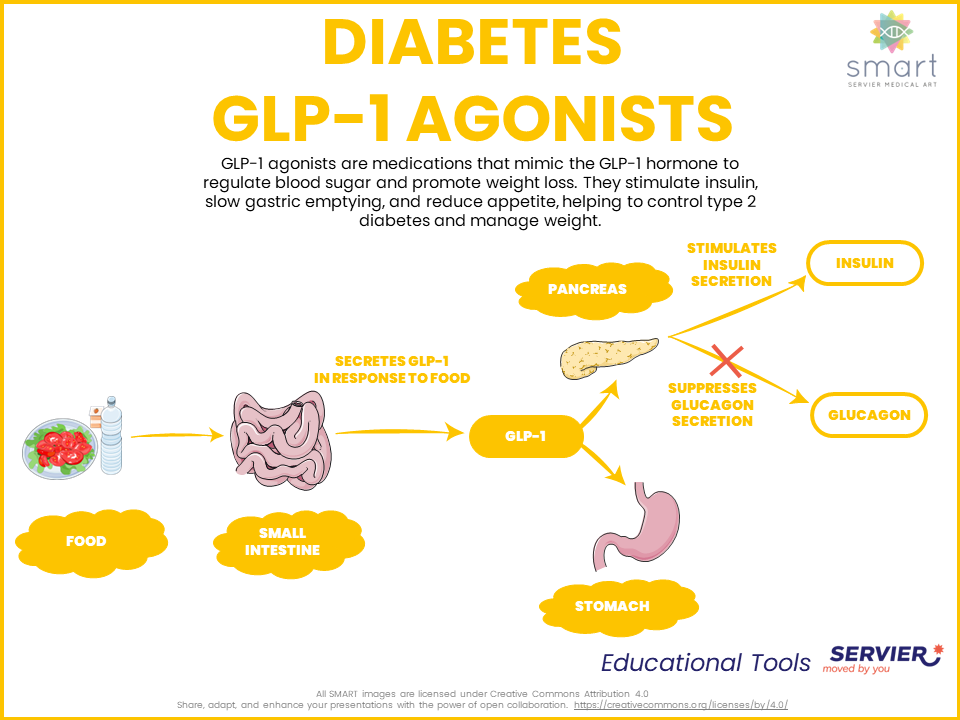
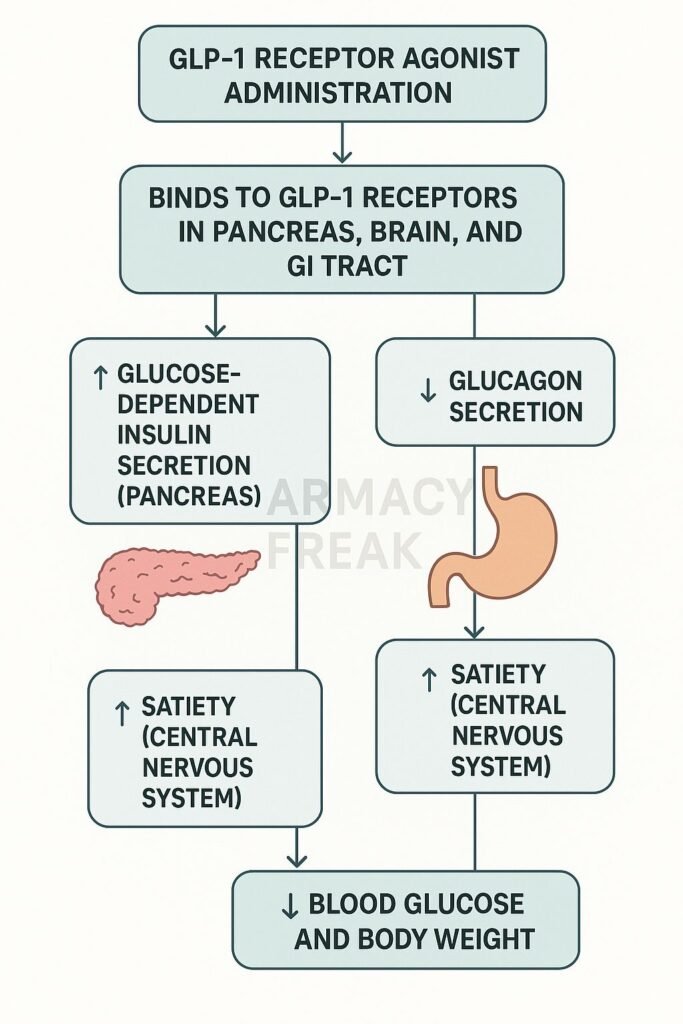
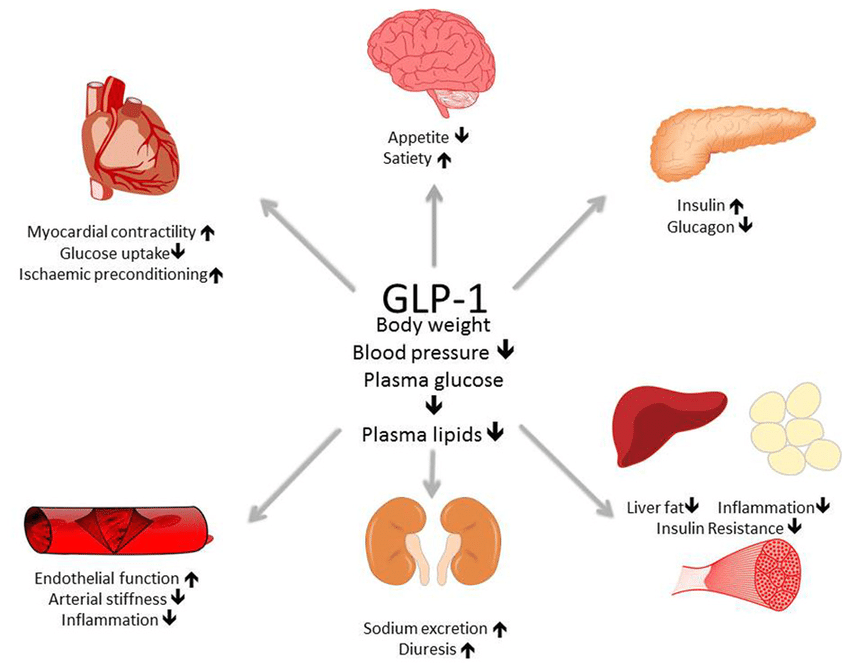
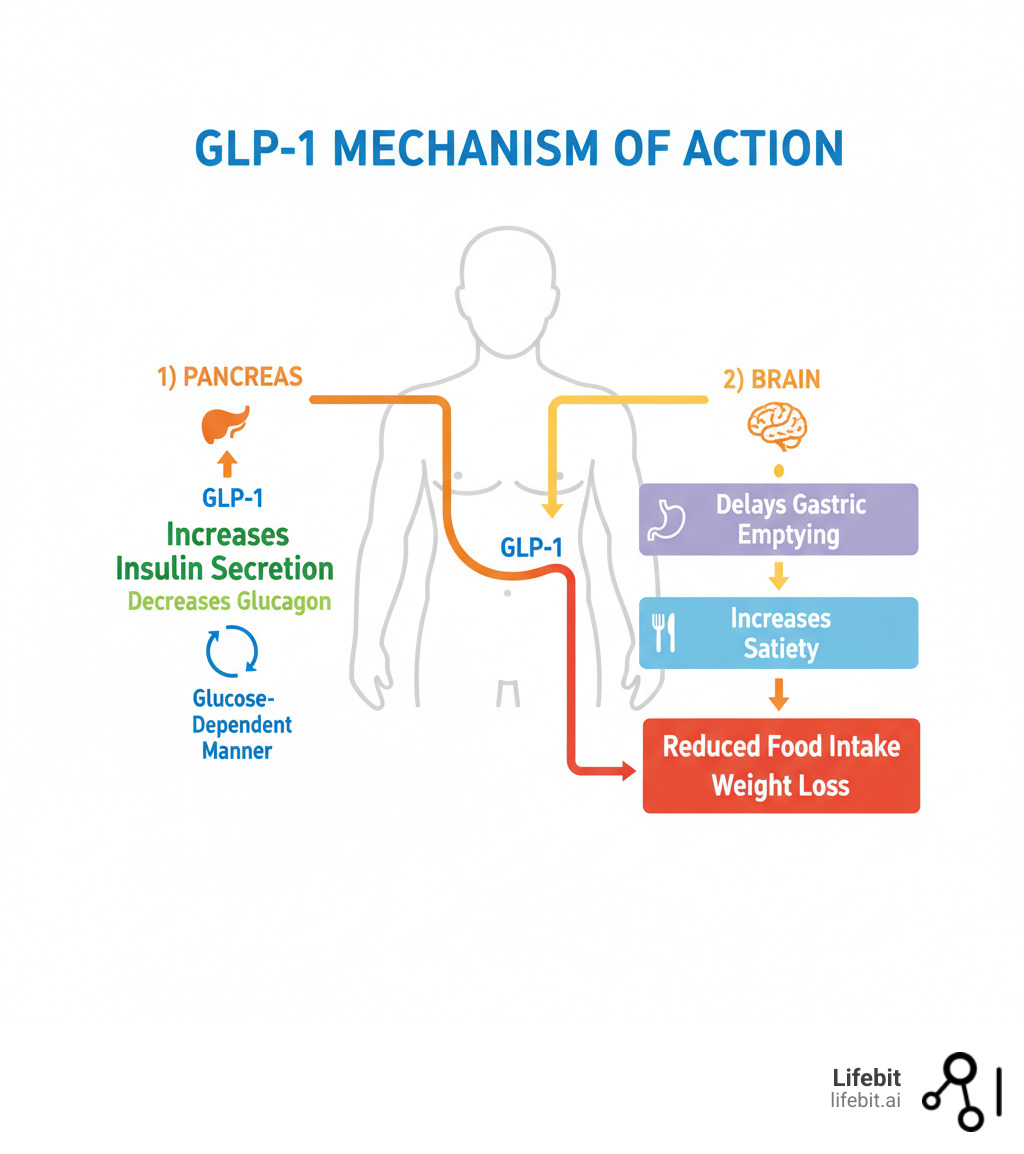
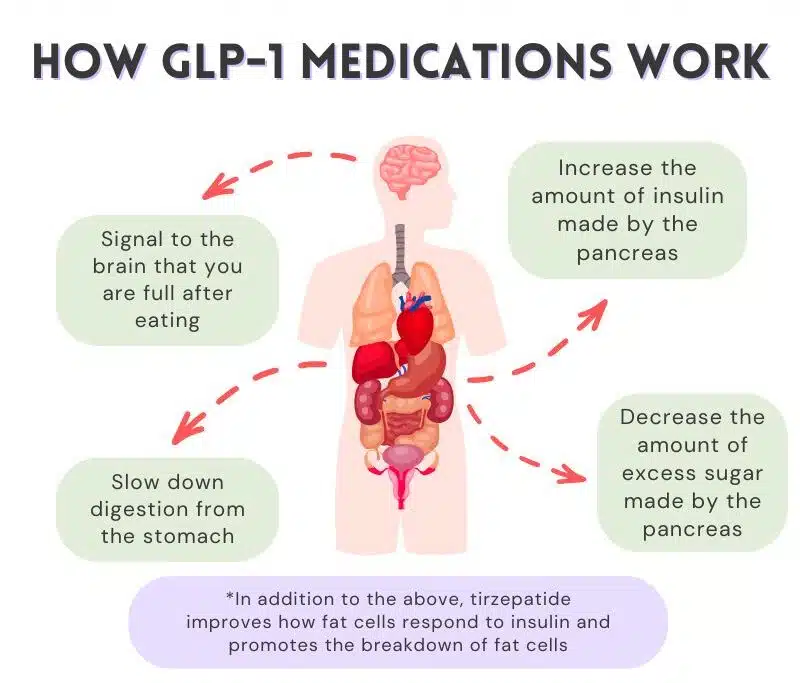
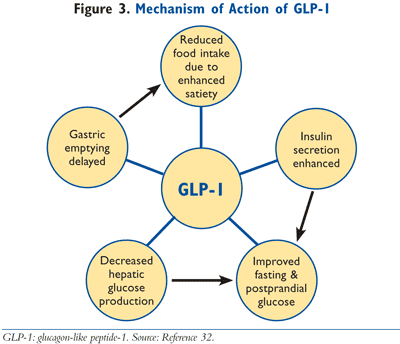
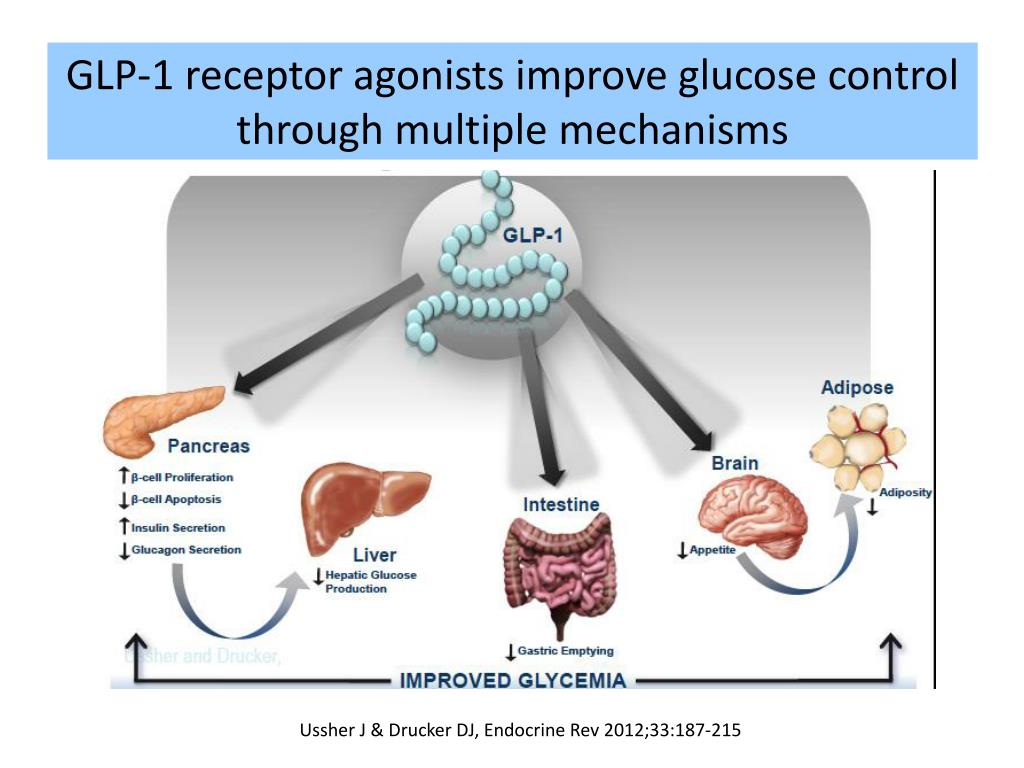
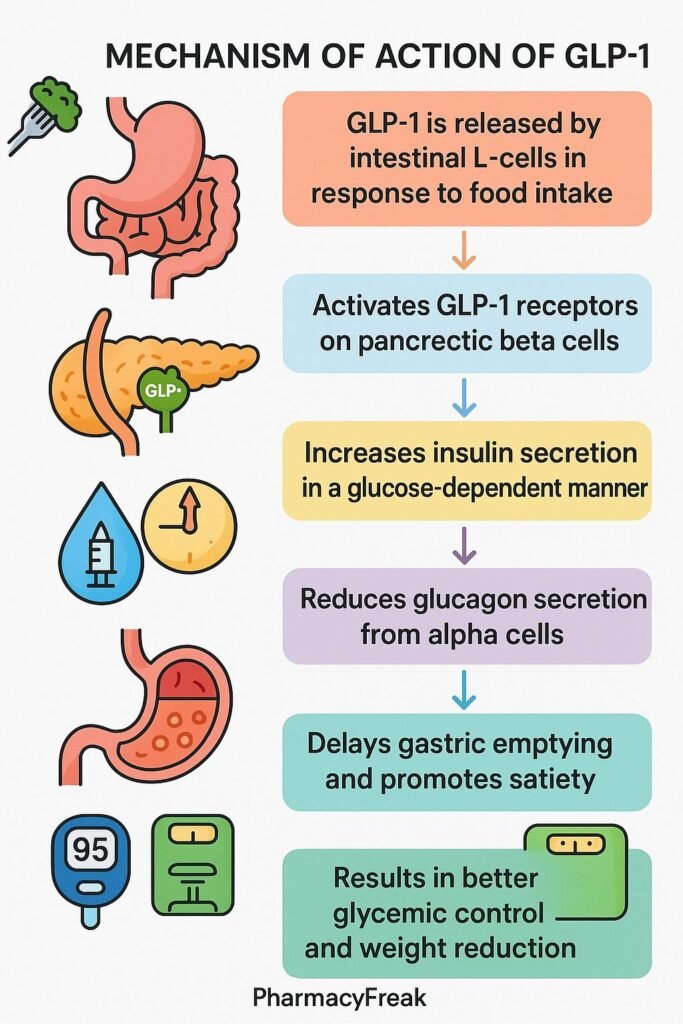
GLP-1 receptor agonists have changed the way many adults manage type 2 diabetes and, increasingly, weight. These once-weekly (or daily) injections mimic a natural gut hormone that tells the pancreas to release insulin when blood sugar rises, slows digestion so glucose enters the bloodstream more gradually, and signals the brain to ...

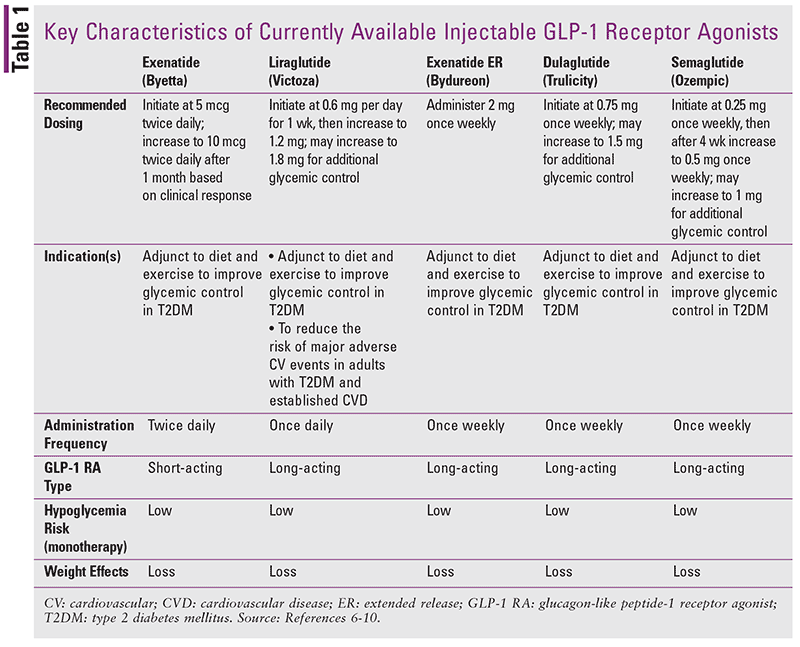
Such details provide a deeper understanding and appreciation for Glp-1 Agonist Dosing With Blood Glucose Control.
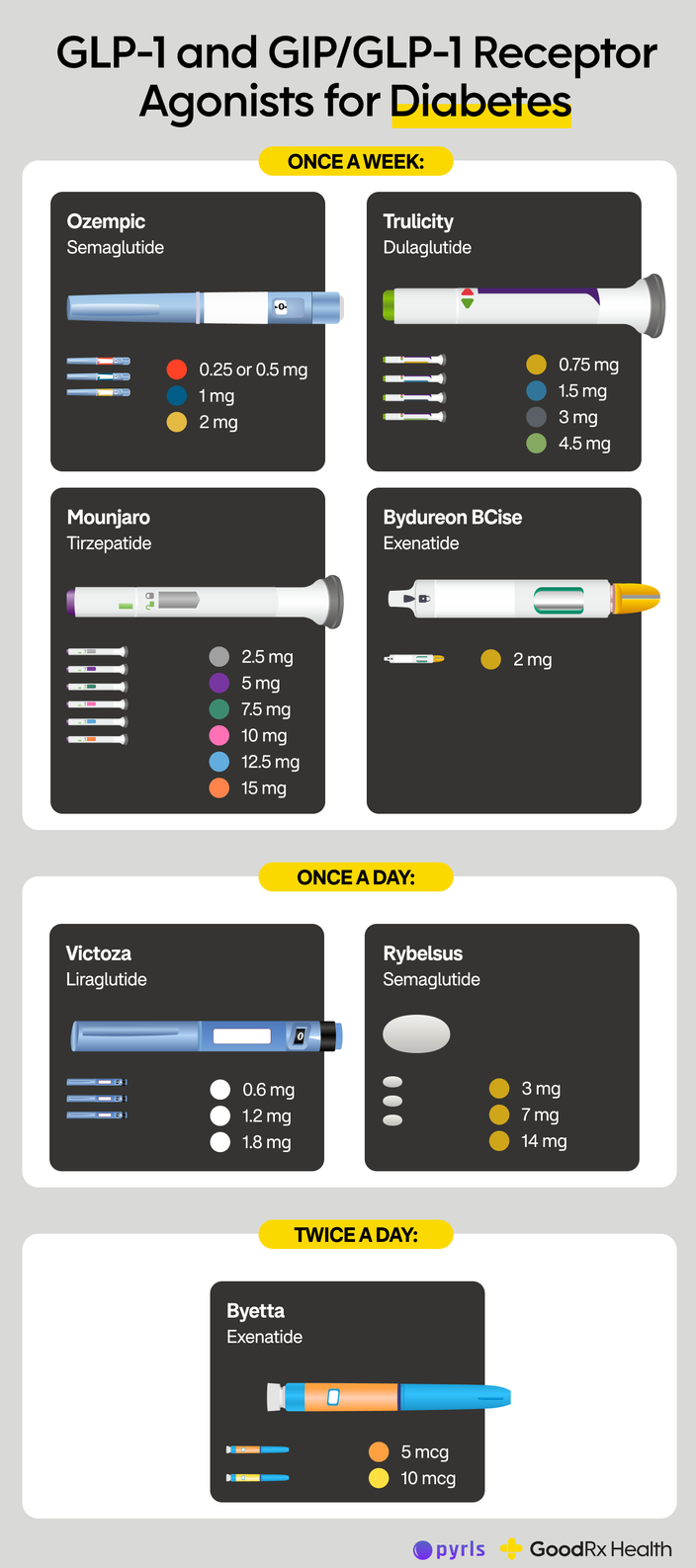
GLP1 Dosing Schedules

Such details provide a deeper understanding and appreciation for Glp-1 Agonist Dosing With Blood Glucose Control.
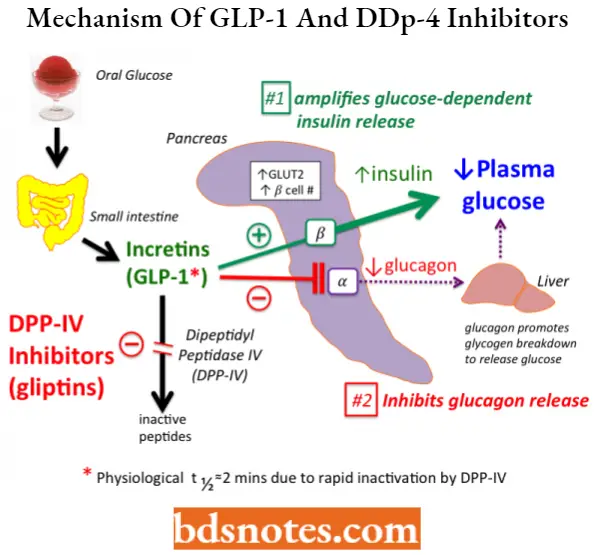
For type 2 diabetes, these drugs help lower blood sugar levels by increasing insulin release and slowing digestion. Your provider might recommend a GLP-1 agonist if metformin isn't working well enough or if you have additional conditions like heart failure or kidney disease.

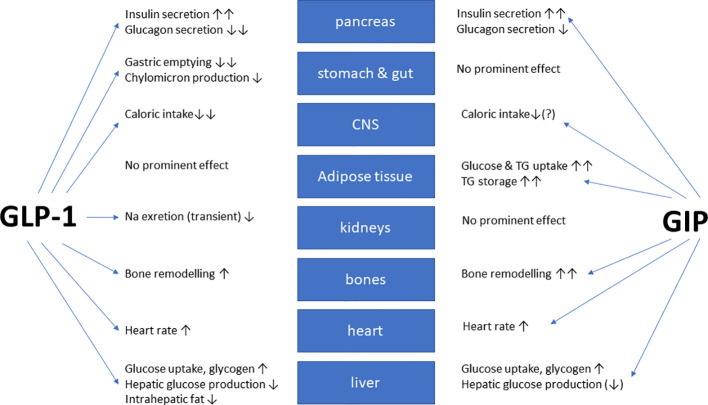
Furthermore, visual representations like the one above help us fully grasp the concept of Glp-1 Agonist Dosing With Blood Glucose Control.
Perioperative diabetes management: If you stop a GLP‑1 agonist before surgery, we still need to manage your blood glucose . GLP‑1s lower glucose without causing much hypoglycemia by themselves, but if you take insulin or sulfonylureas as well, your insulin or oral doses may need adjusting.
PDF Guidance for Prescribing Glucagon
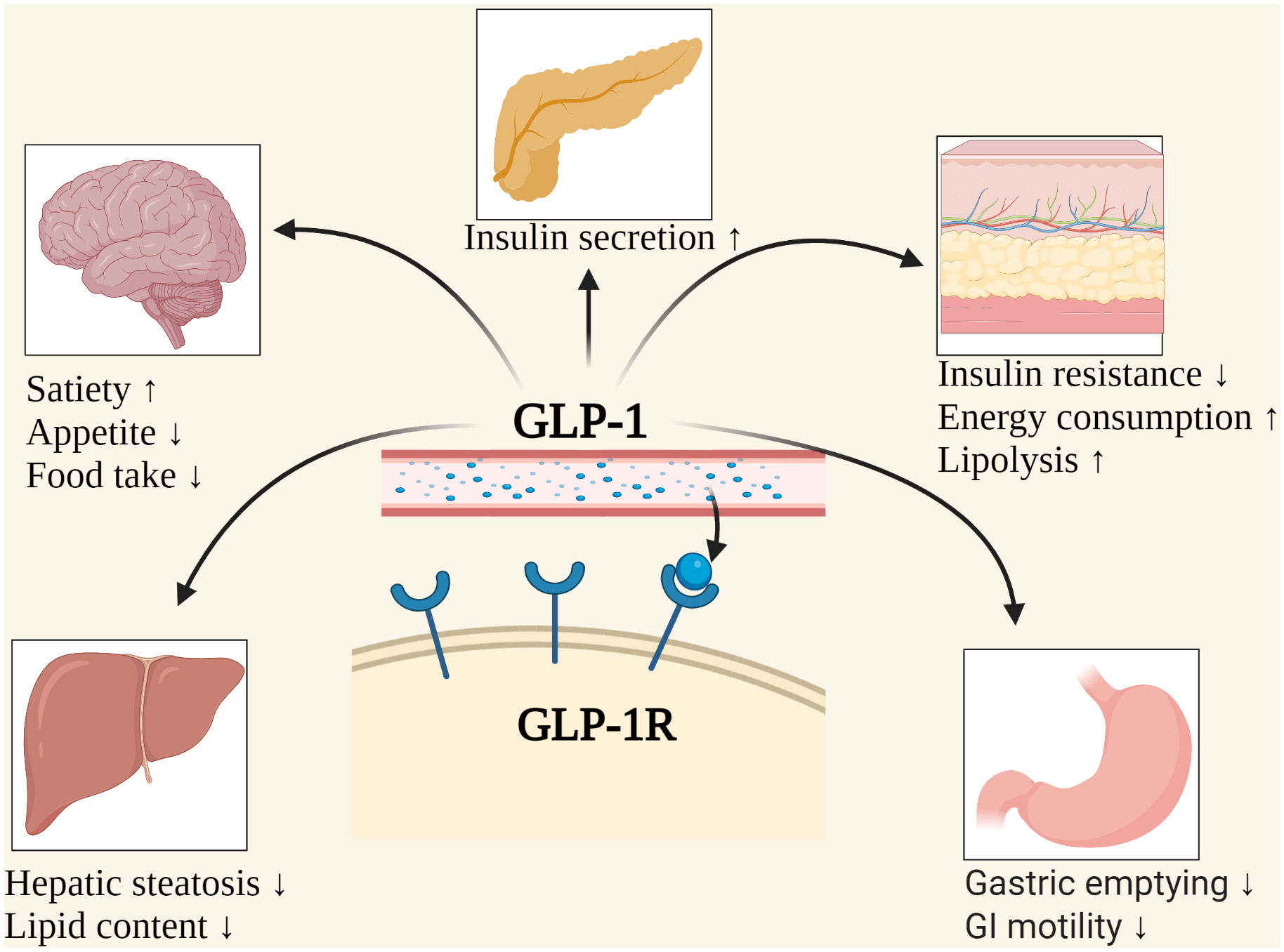
Glucagon-like peptide 1 ( GLP 1 ) agonists for adults with Type 2 Diabetes (T2DM) Background GLP-1 agonists bind to and activate GLP-1 receptors to stimulate insulin secretion, lowering glucagon secretion when blood glucose is high, and delaying gastric emptying in the early post-prandial phase.