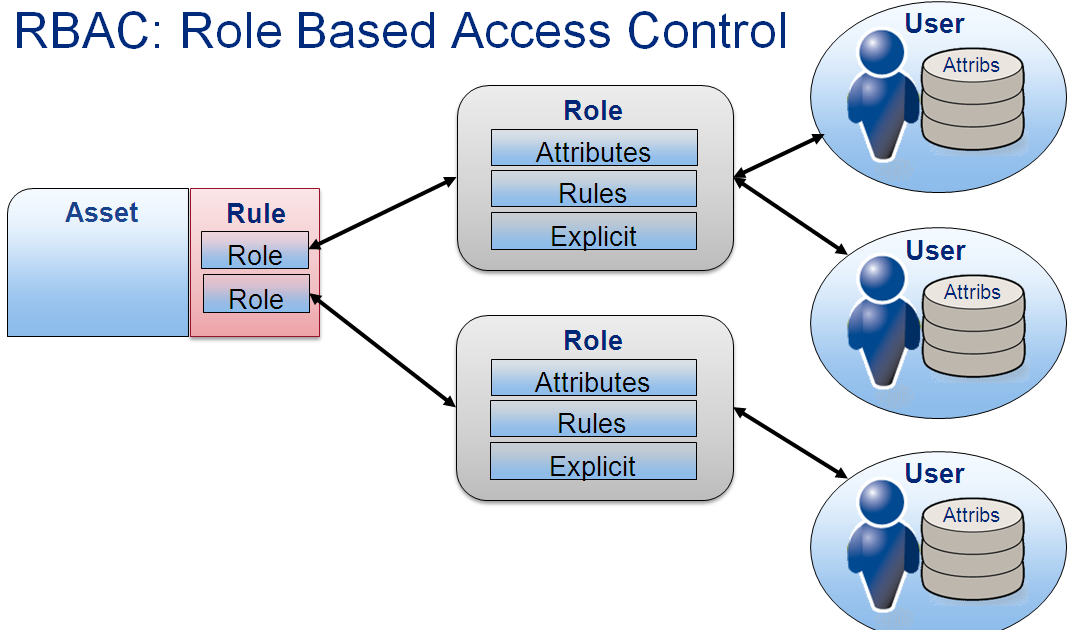
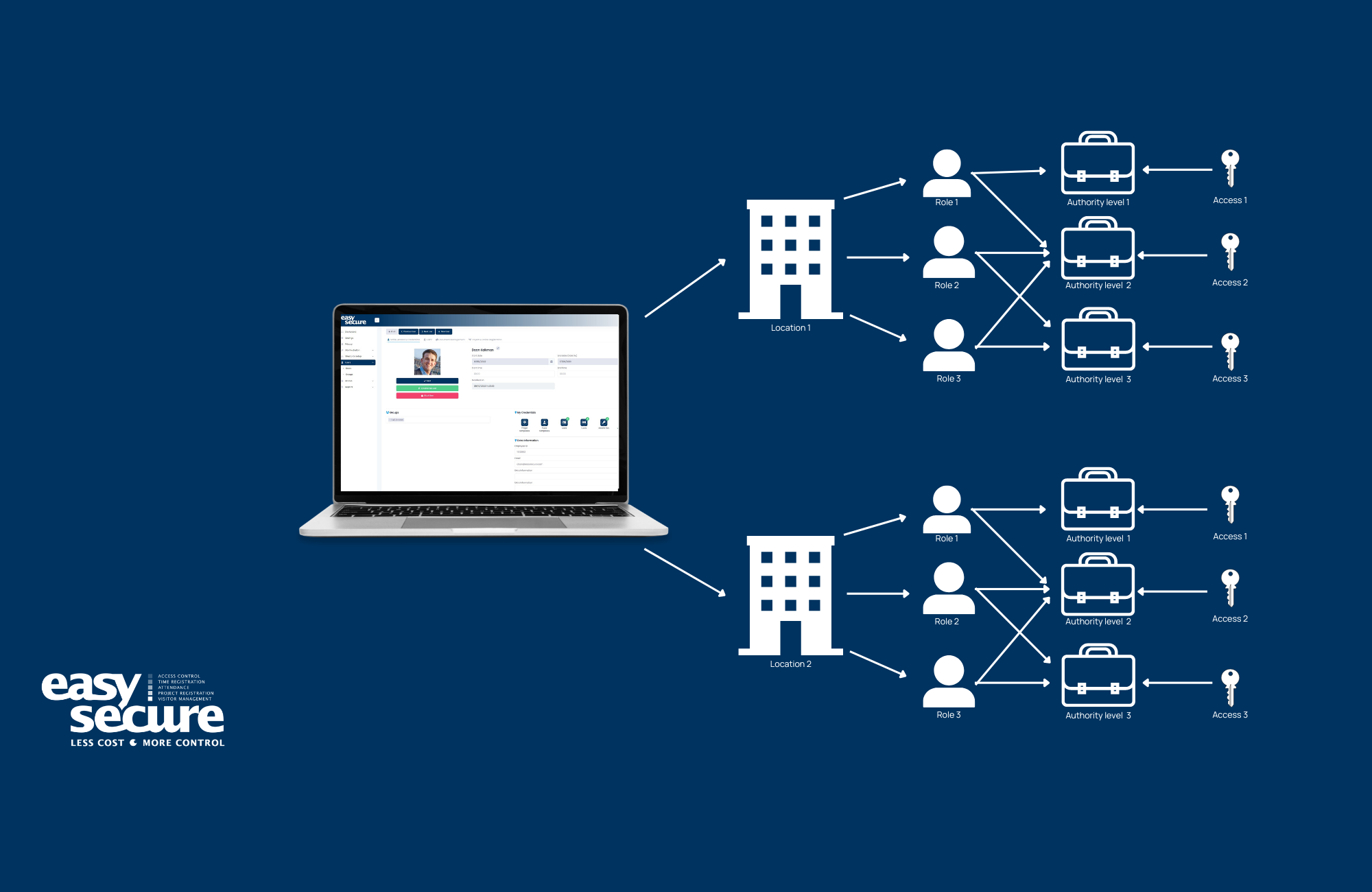
Overview of G Network Router Role-Based Access
The dissolution of the traditional network perimeter has fundamentally transformed how organizations approach access control. In today's distributed, cloud-first world, role-based access control (RBAC) has evolved from a convenient administrative tool to a critical security control within Zero Trust architectures.
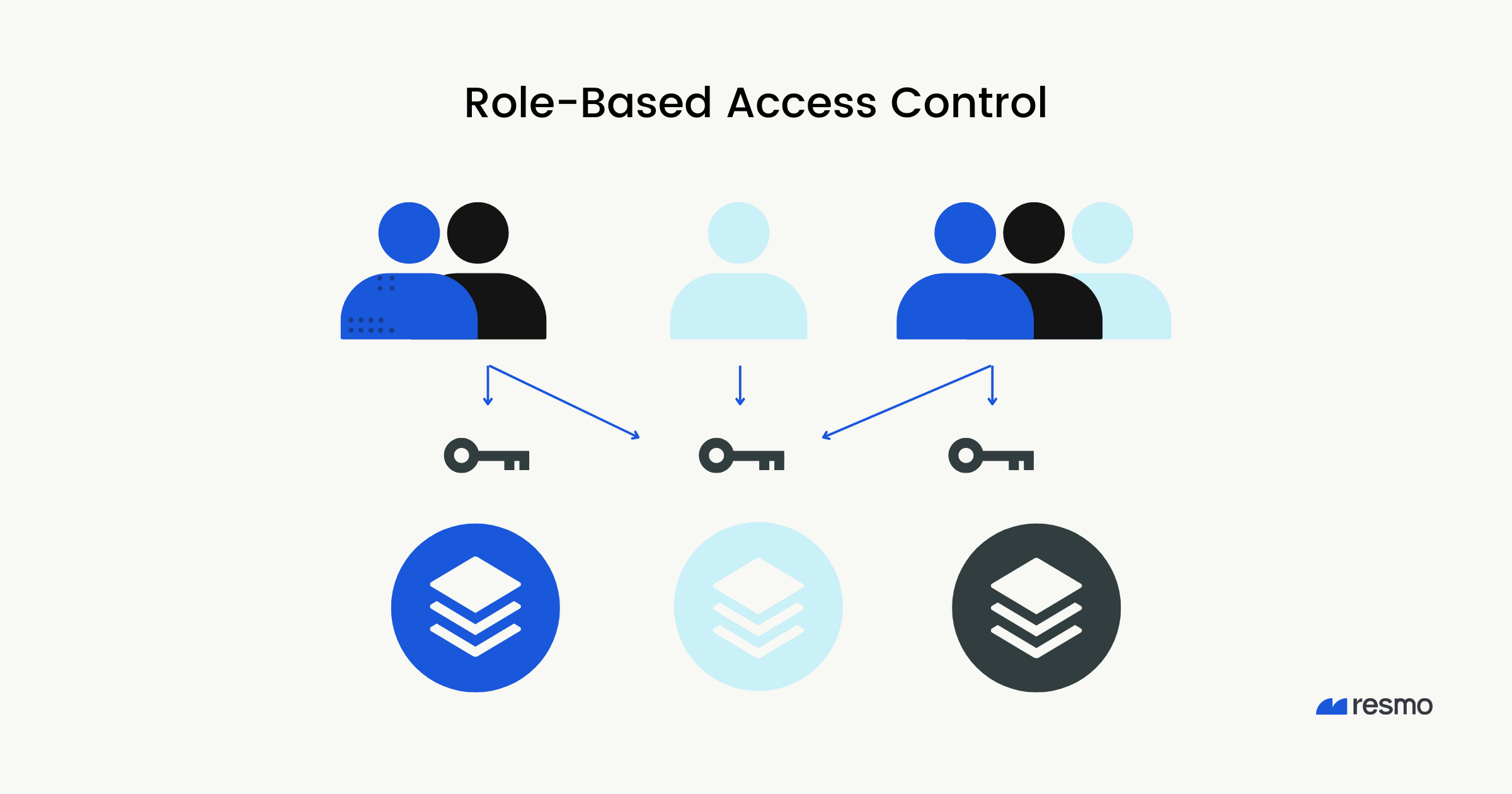
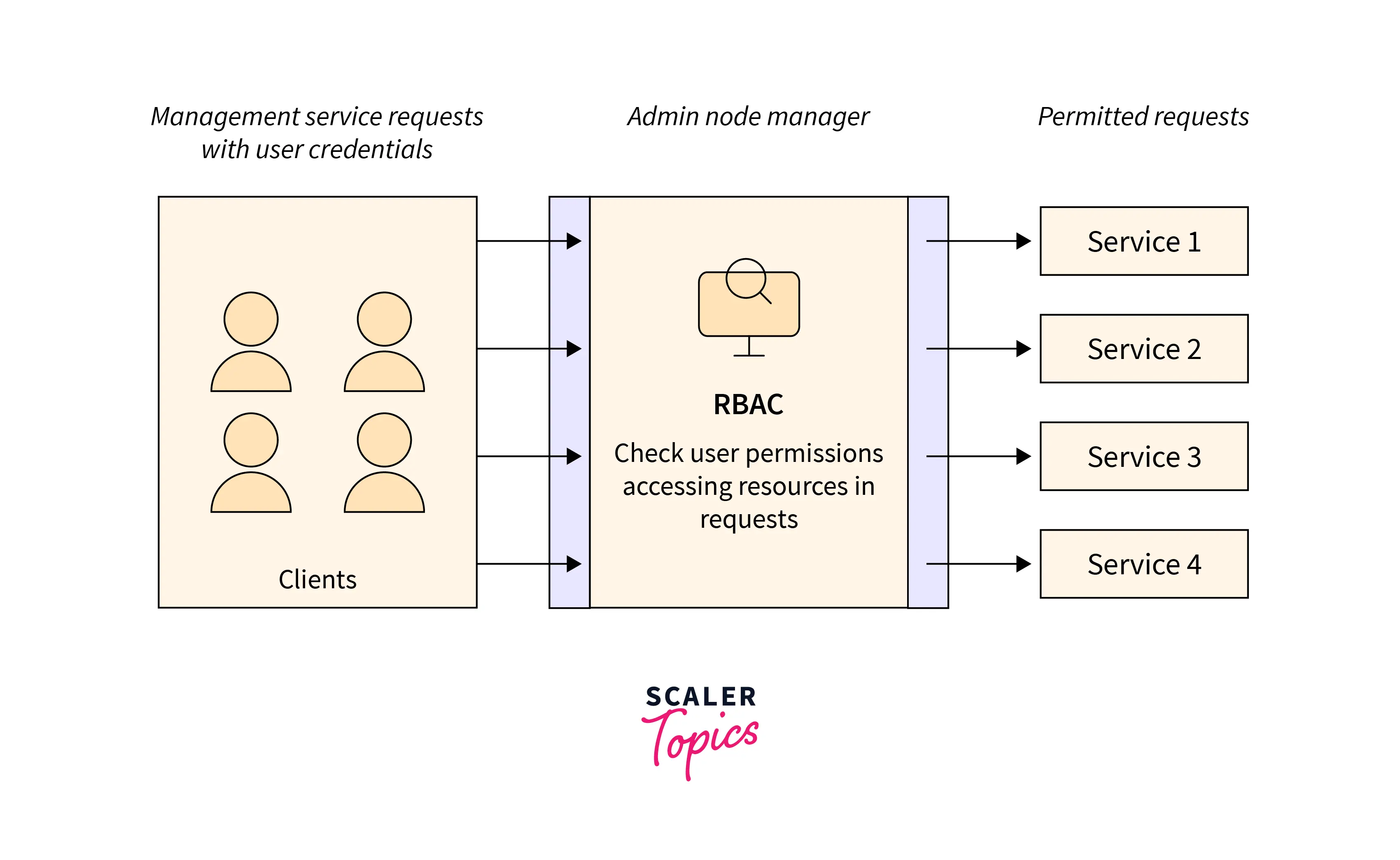
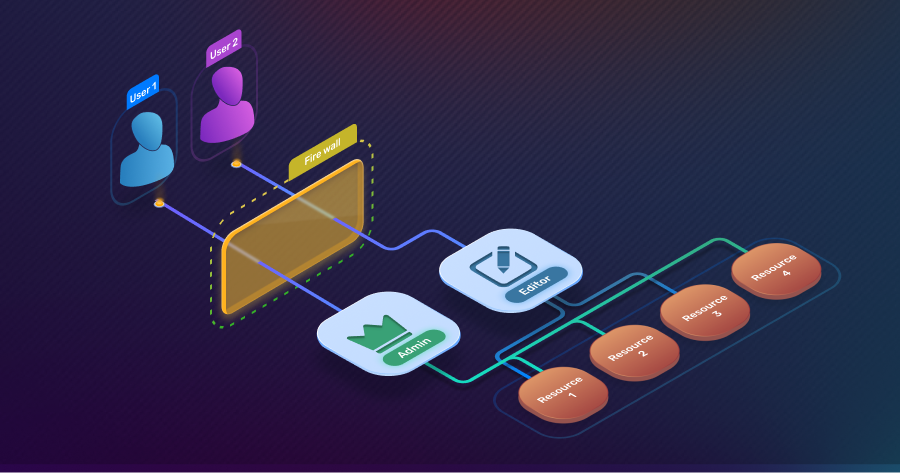
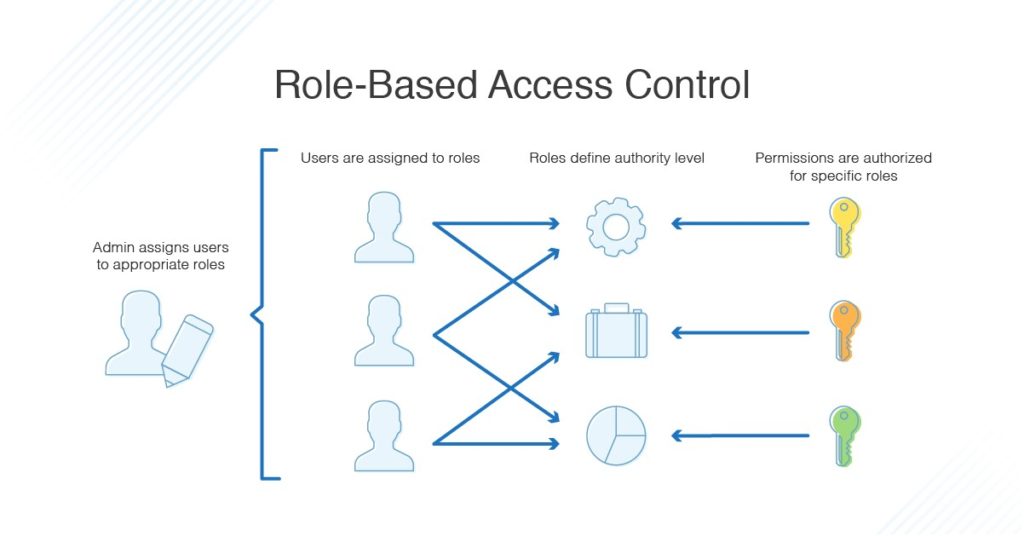
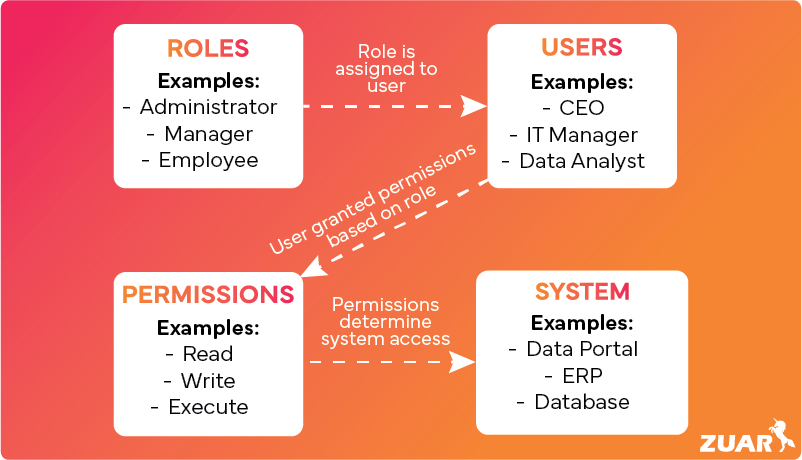
Role-Based Access Control is a security framework used to restrict and manage user access to systems, applications, databases and network resources based on predefined job roles .
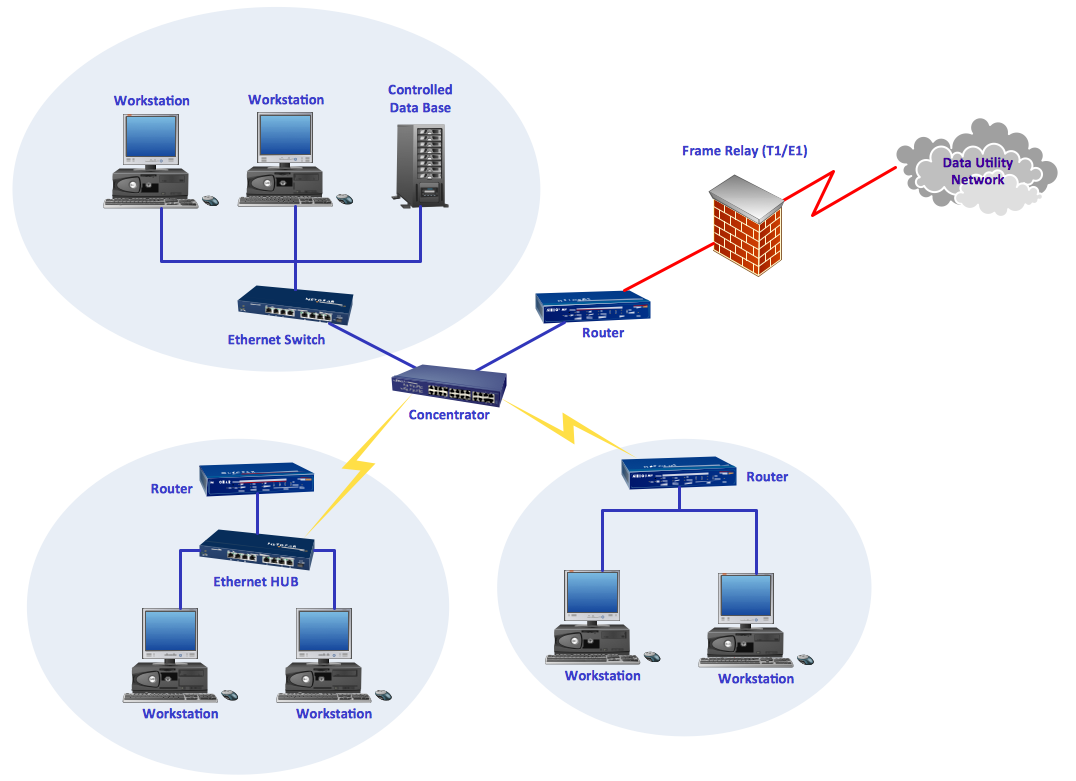
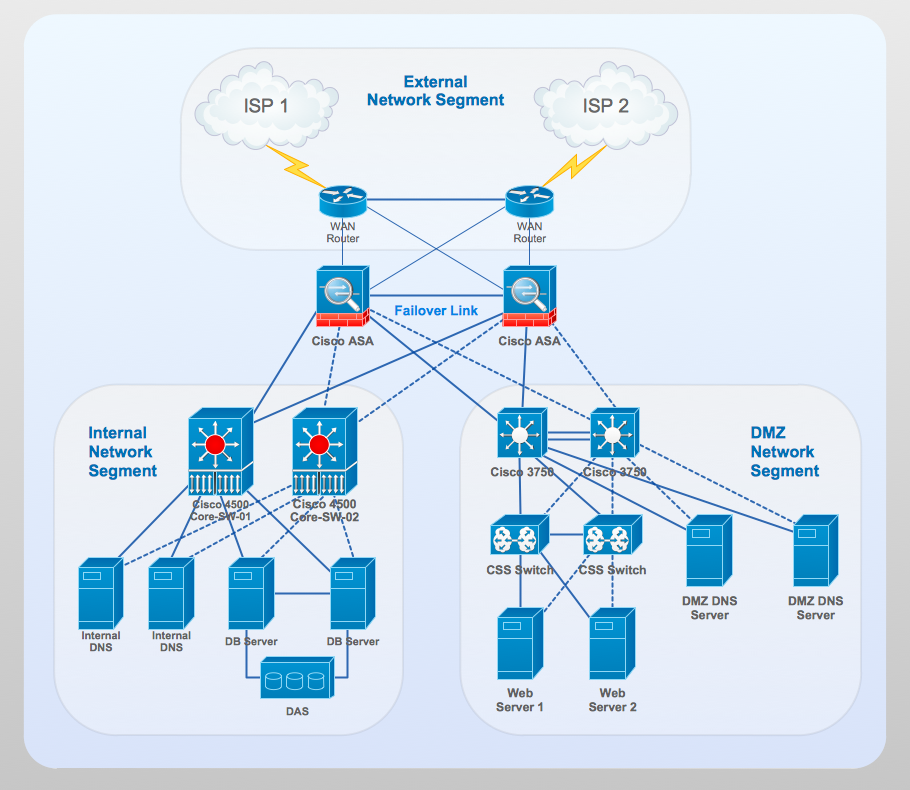
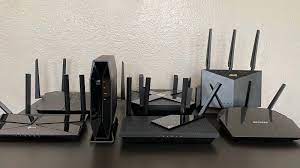
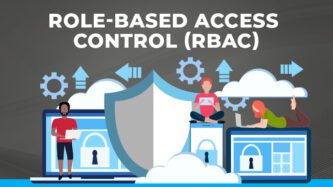
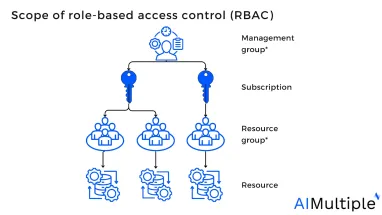
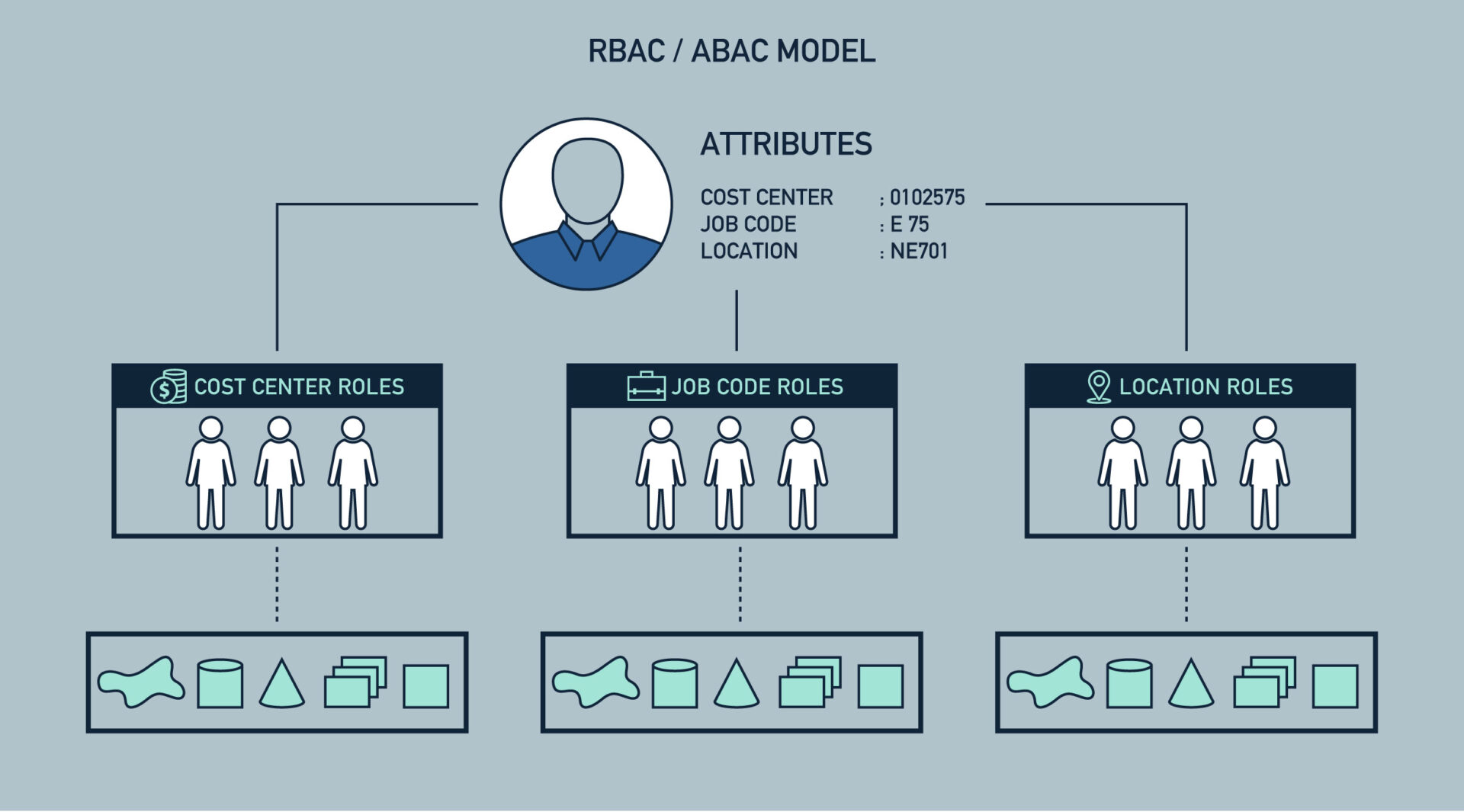
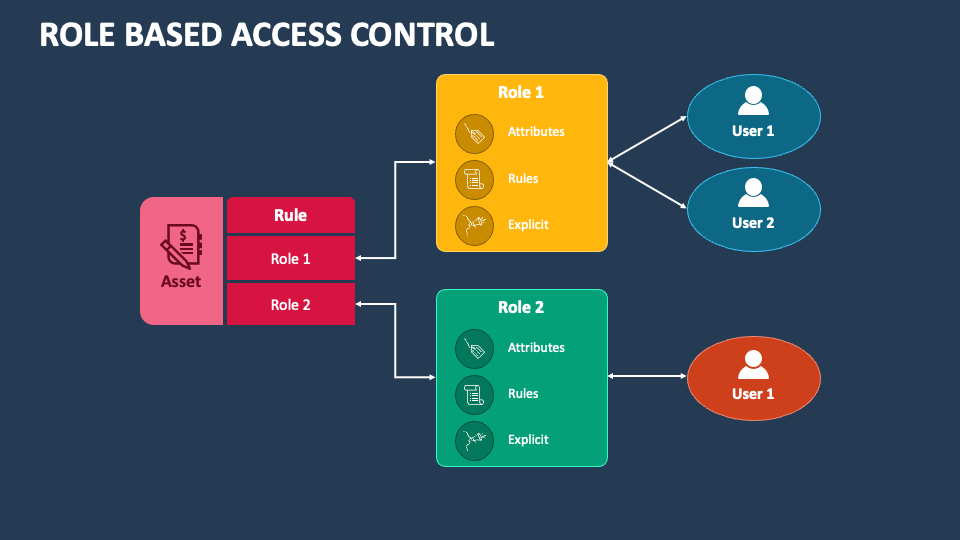
Furthermore, visual representations like the one above help us fully grasp the concept of G Network Router Role-Based Access.
The Definitive Guide to Role
This article provides a comprehensive overview of role-based access control (RBAC) along with a guided approach to implementing, maintaining, and extending RBAC to suit the needs of your organization. You will discover what roles are, how to define them, and how using them to govern access can help secure your network , reduce administrative overhead, and help you achieve regulatory compliance ...
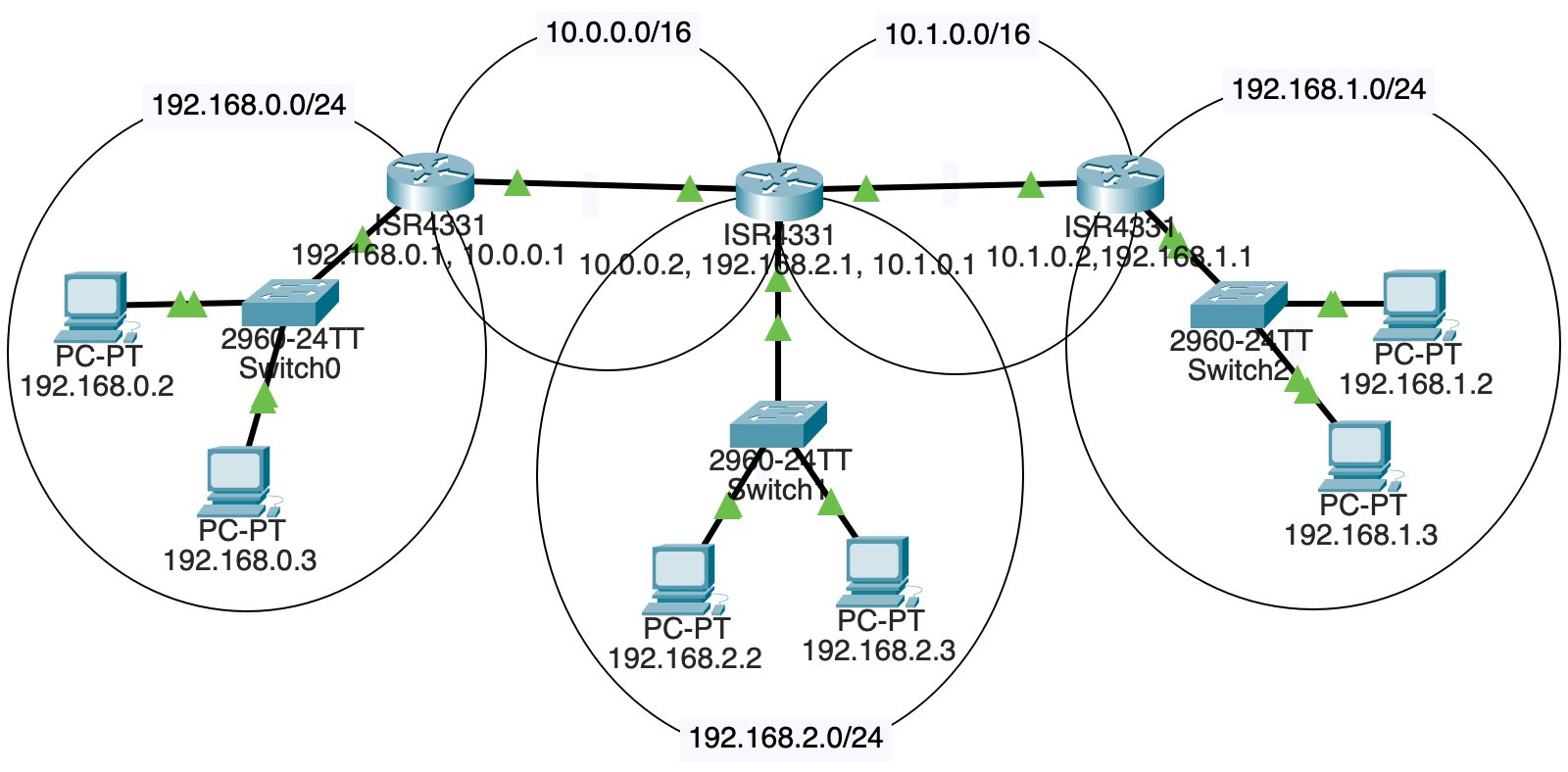
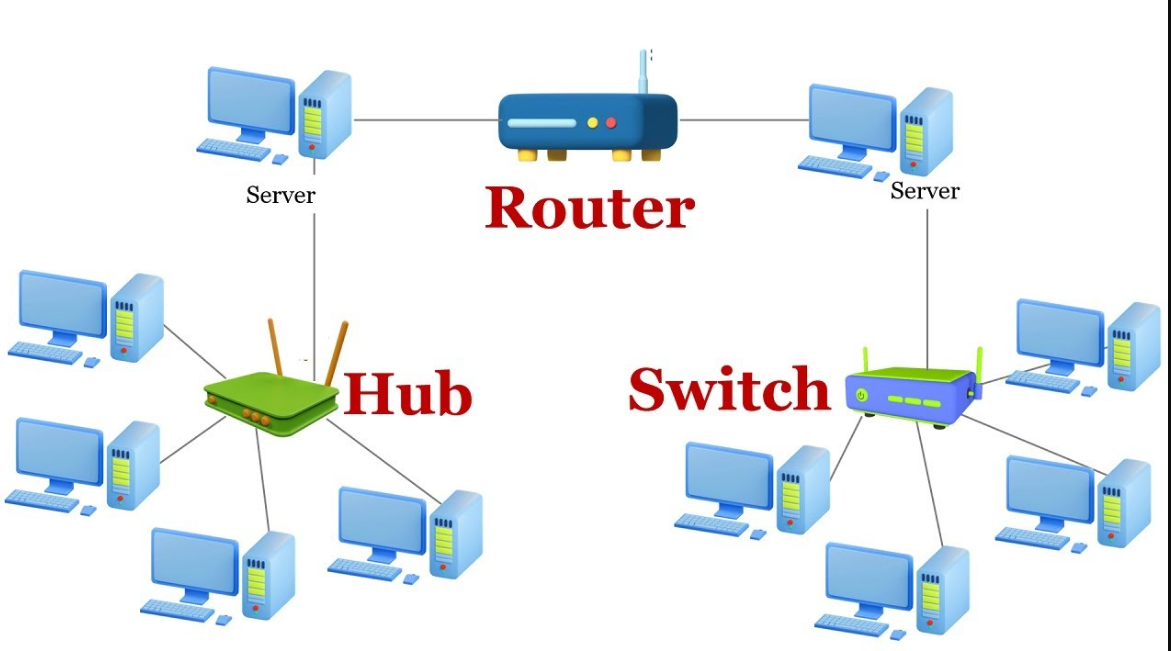
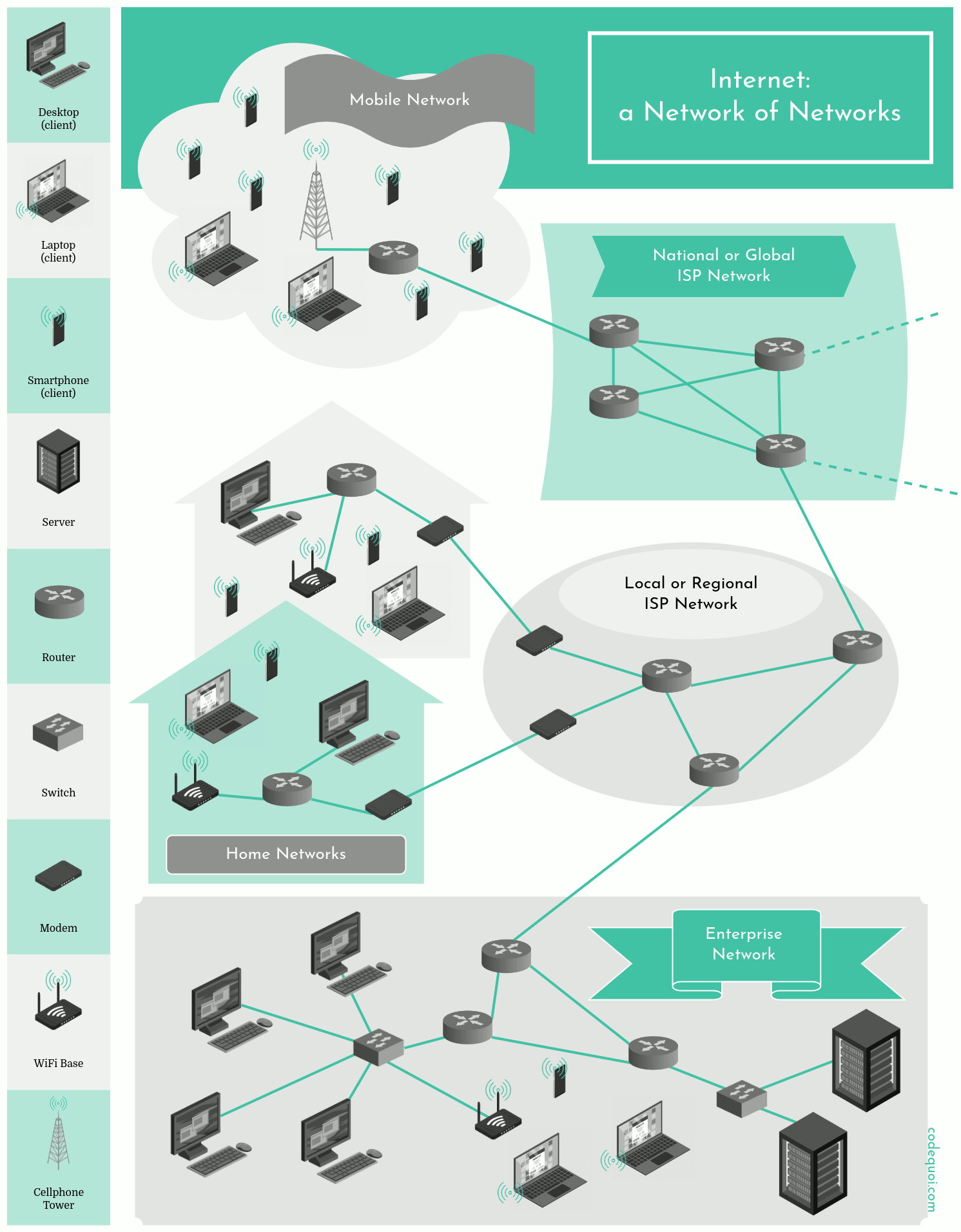
As we can see from the illustration, G Network Router Role-Based Access has many fascinating aspects to explore.
Summary Role-based access control (RBAC) is a key requirement of modern security standards. In this chapter, we detailed the steps to configure RBAC to adhere to the principle of least privilege. This included learning how to configure user access at the organization and network levels within the Dashboard hierarchy.
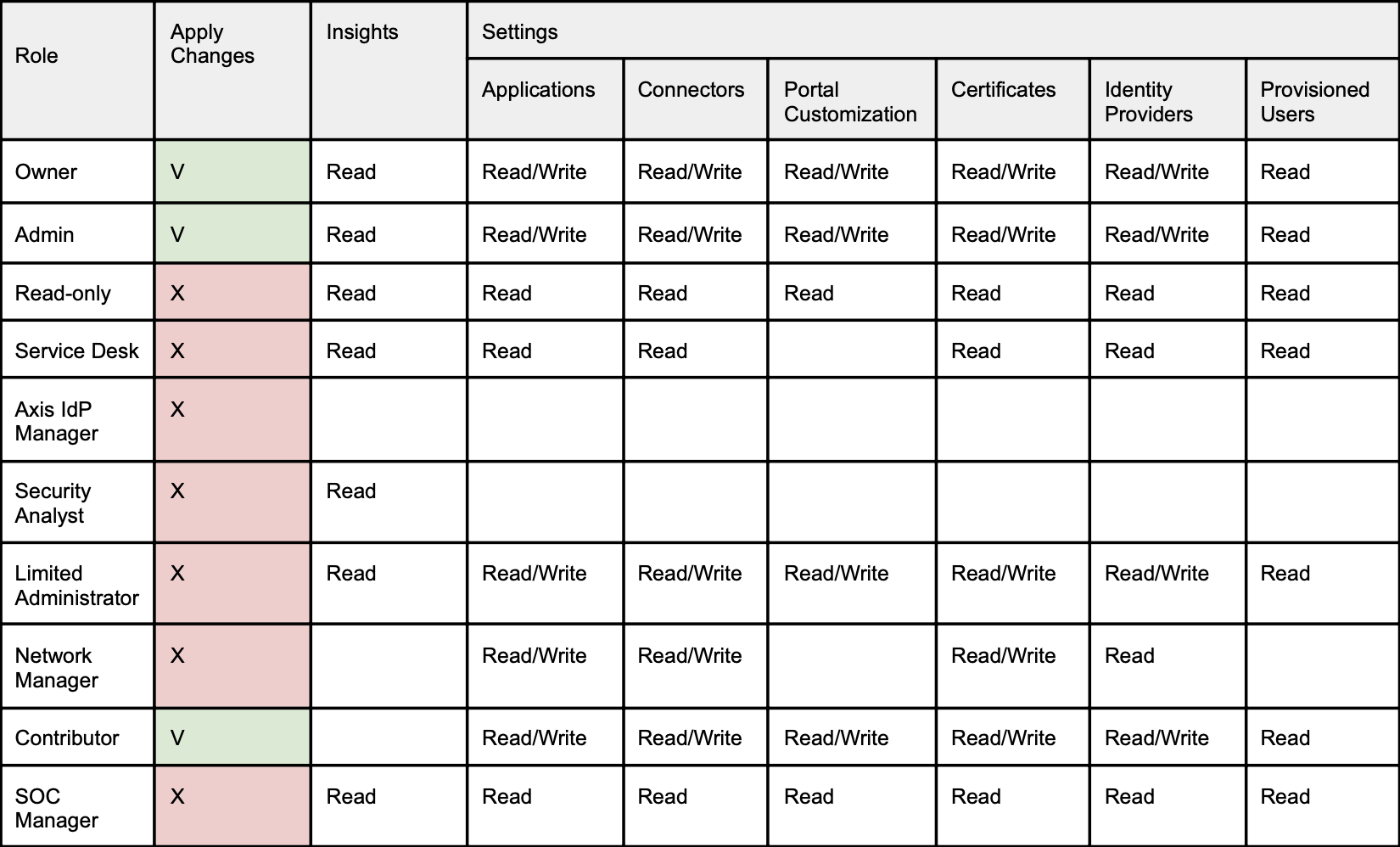
Role-Based Access Control Role-Based Access Control (RBAC) is a method of restricting or authorizing system access for users based on user roles and locales. A role defines the privileges of a user in the system and the locale defines the organizations (domains) that a user is allowed access .
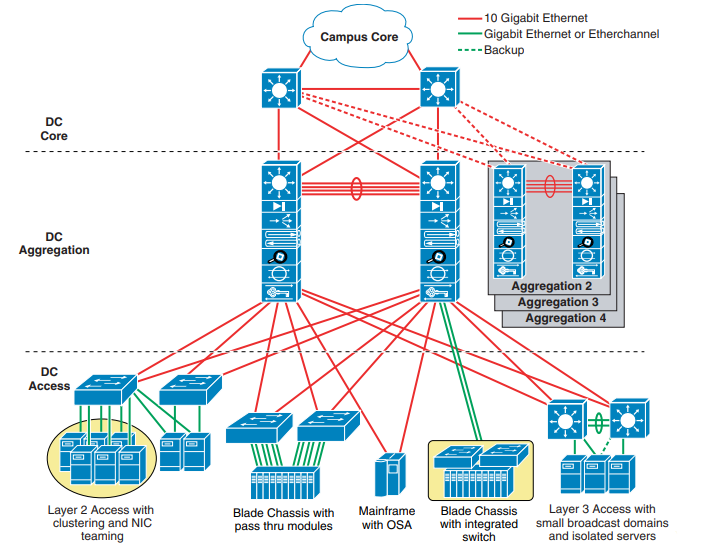
Role-based access control (RBAC) enables an administrator to tailor access to Google Security Operations features based on an employee's role in your organization. Important: This document describes the Google SecOps roles and groups available in the Google SecOps RBAC feature that don't use IAM for feature access control. If you migrated your instance to IAM, or if you're onboarding to Google ...