Exosuit for Lifting
That's where the exosuit for lifting is changing the game. Wearable technology is no longer limited to fitness trackers and smartwatches. In industrial environments, it's becoming a practical solution that directly supports workers' bodies while improving productivity and safety.
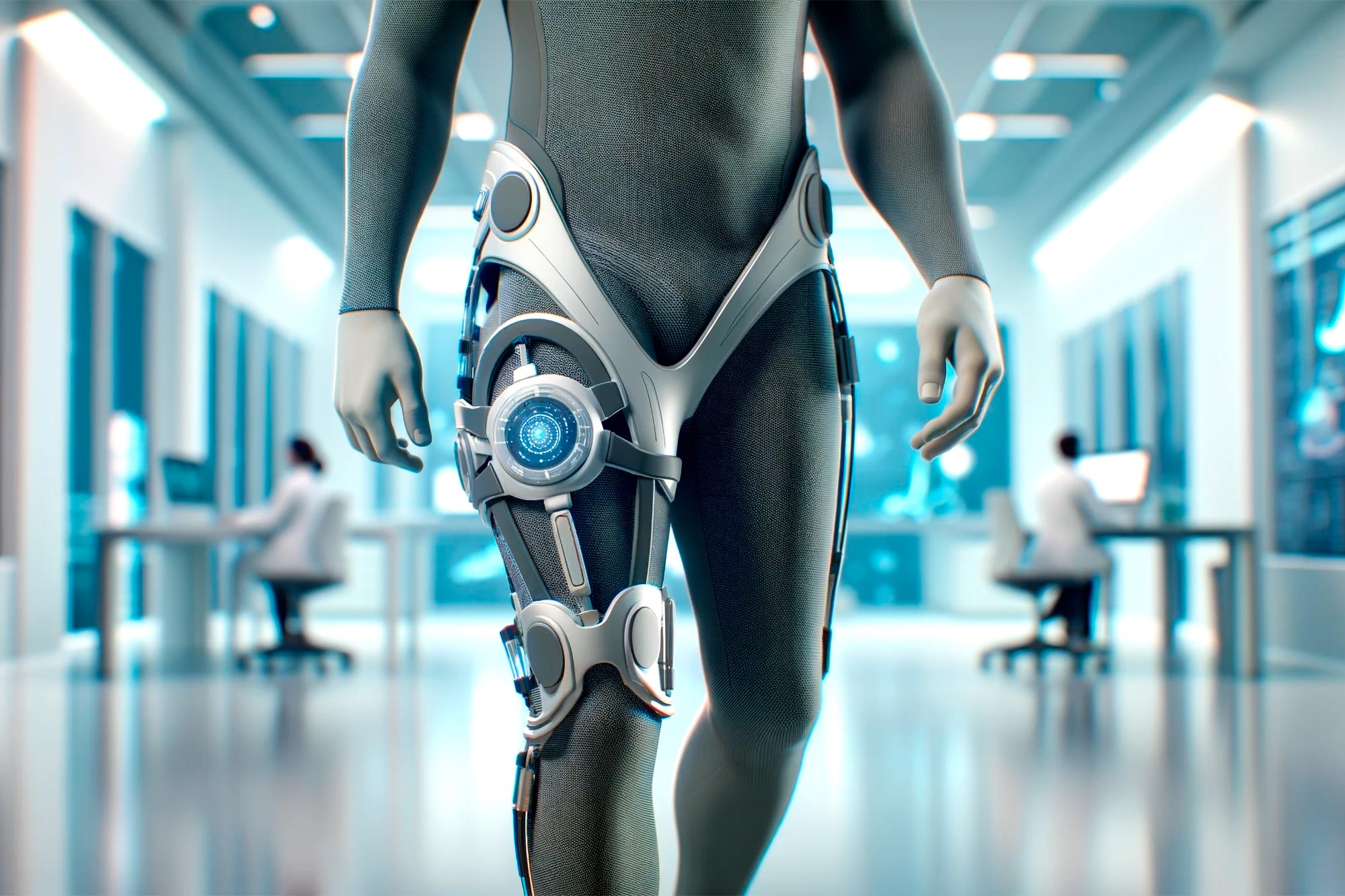
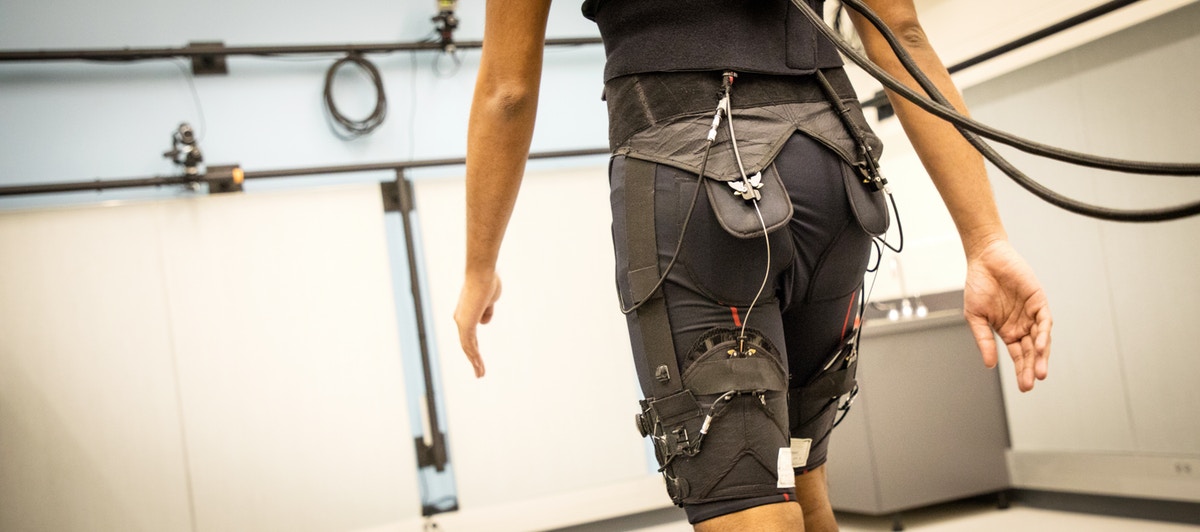
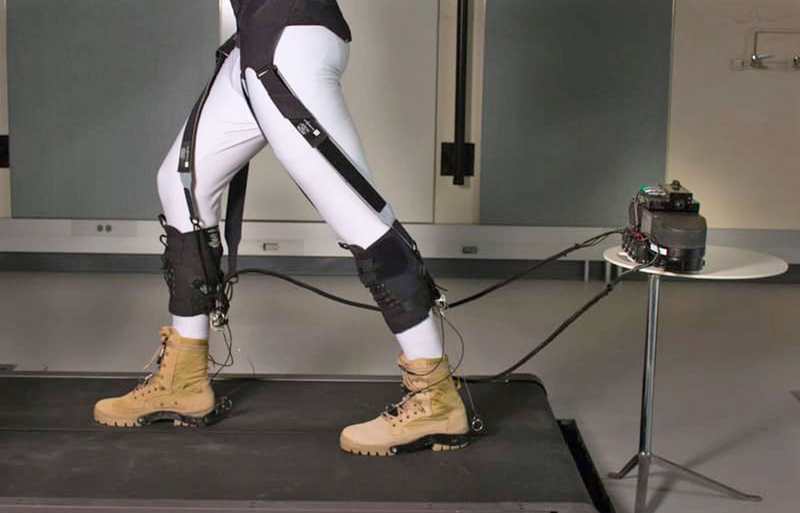
Often called exoskeletons or exosuits , these wearable robotic systems symbolize the integration of advanced technology with human physiology, offering enhanced strength, mobility, and endurance to the end users. Exoskeletons and exosuits , although often grouped, refer to distinct types of wearable robotic systems.

Moving forward, it's essential to keep these visual contexts in mind when discussing Exosuit For Exercise Wearable Technology.
Soft Exosuits
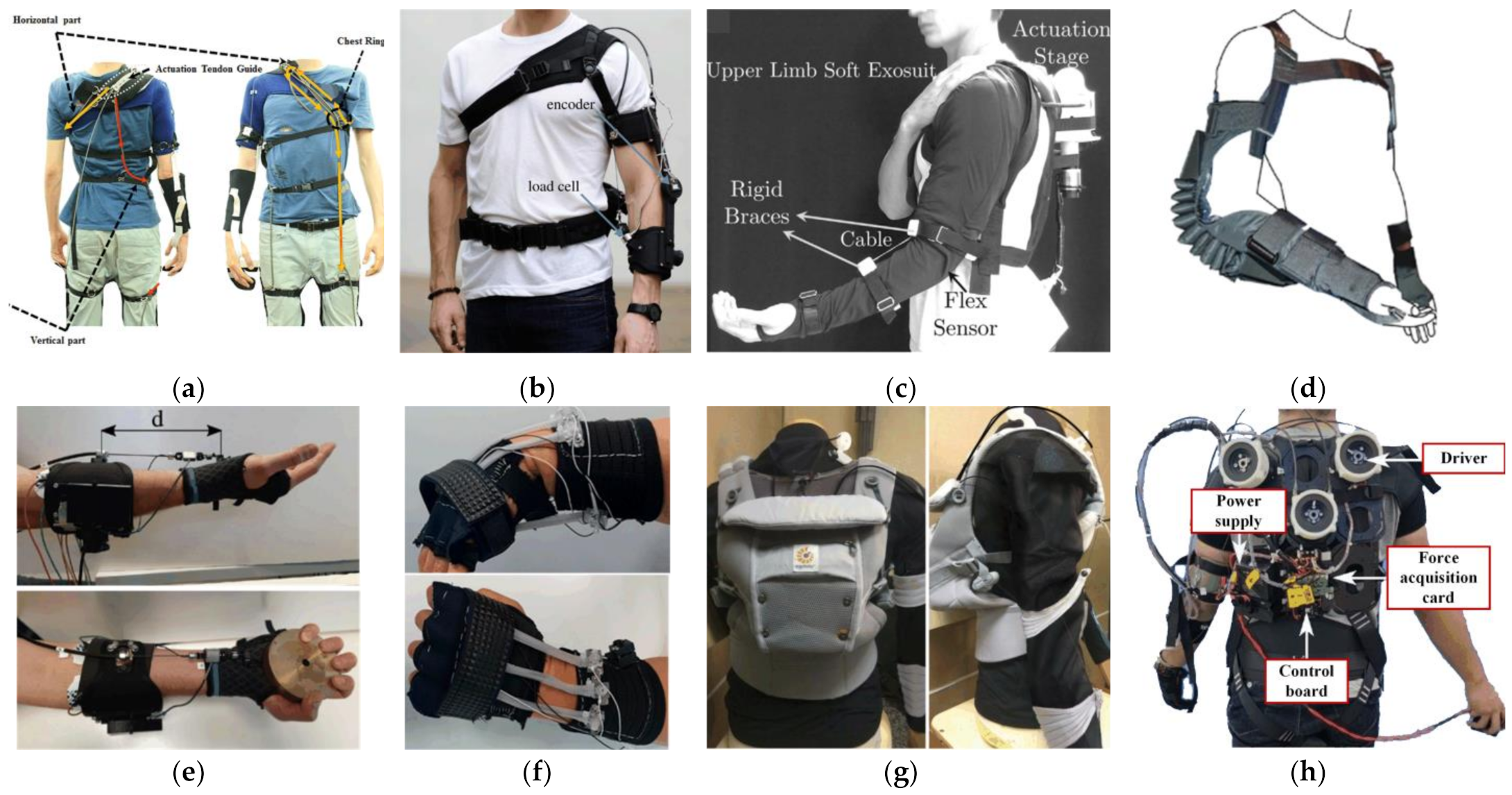
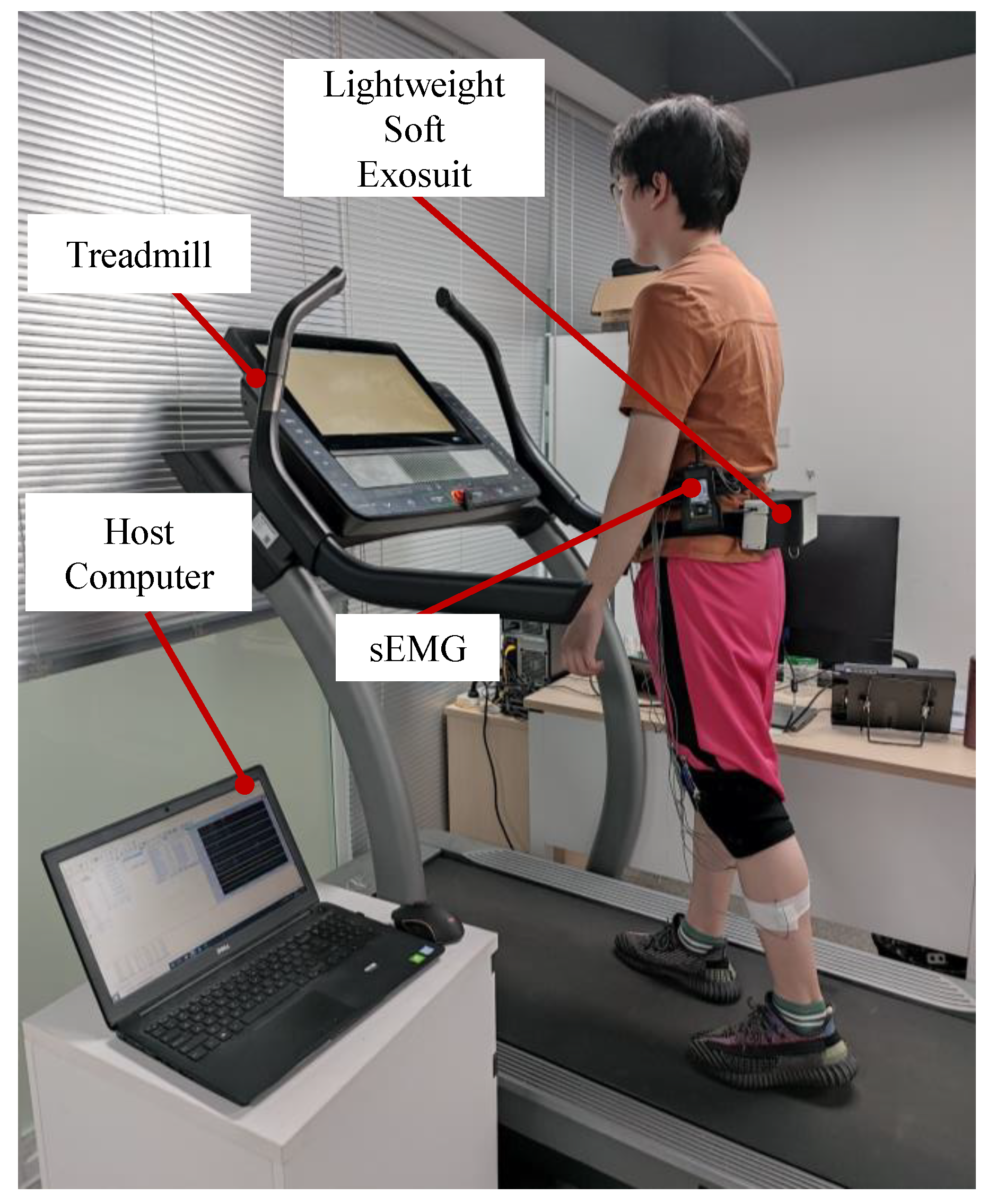
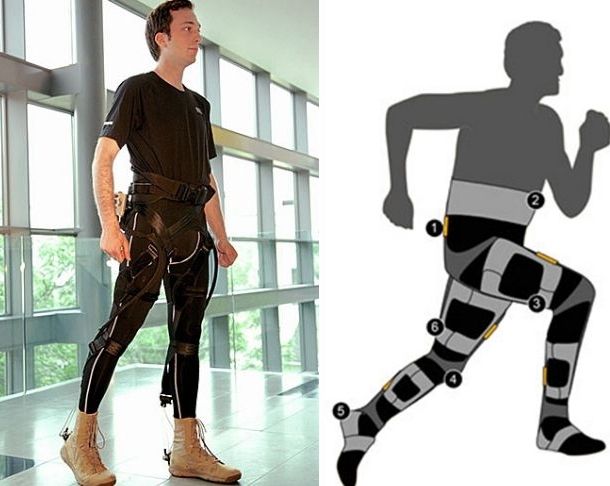
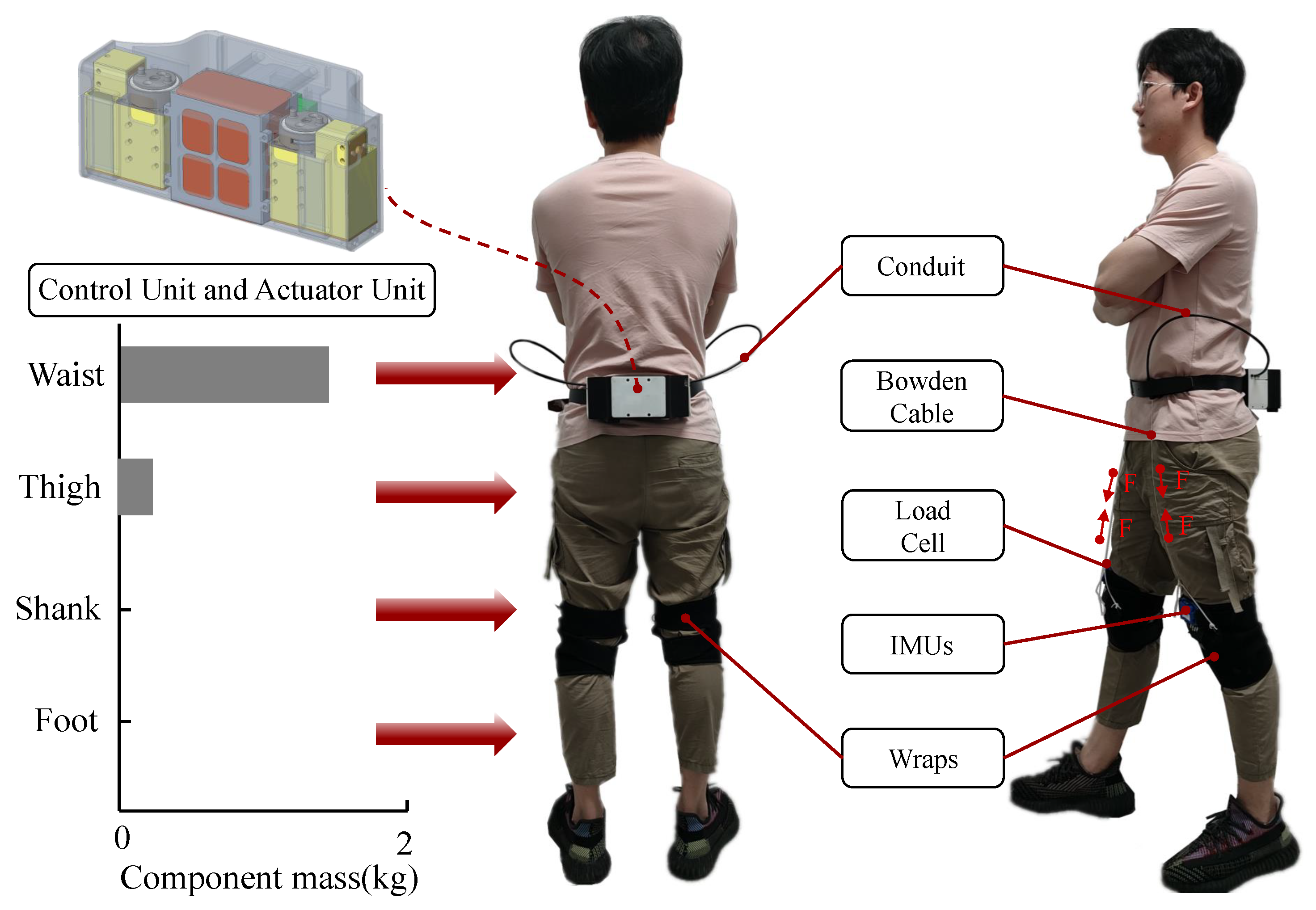
These wearable sensors can be used as part of the control strategy for the wearable robot or alternatively to monitor and record the movement of the wearer (when wearing the exosuit or as a standalone sensor suit) for tracking changes over time or determining what activities they are performing (e.g. walking vs running).

Moving forward, it's essential to keep these visual contexts in mind when discussing Exosuit For Exercise Wearable Technology.
Workplace Exoskeletons & Wearables
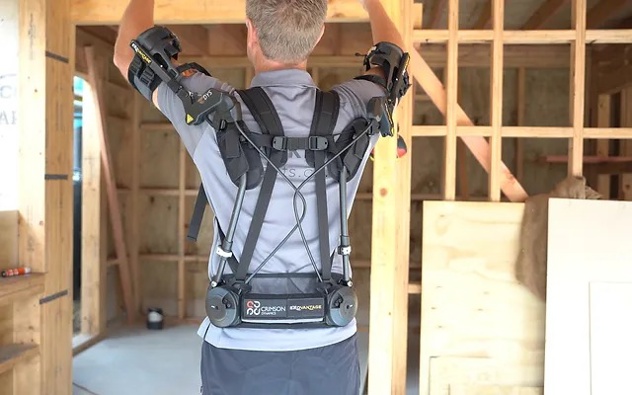
Protect your business' most important asset - its people - with fully integrated workplace solutions that increase safety, wellbeing and productivity. Exxovantage® augments 21st-century teams and increases operational efficiencies through proven solutions that combine exoskeletons and exosuits , workplace wearables , responsible AI, ethical data analytics and cutting-edge risk management tools.
Recent advancements in soft-robotic technologies provide a novel paradigm for designing wearable assistive devices ( exosuits ), making them comfortable, safe, and offering an enhanced range of motion. However, modeling these nonlinear actuation technologies is challenging, particularly due to complex interaction mechanics with the body. As a result, current studies often investigate actuation ...