Top Pictures and Secrets of Cat Leukemia Kidney Disease Food Modifications
Diet and Chronic Kidney Disease
Figure 1: Comparison of mortality in cats with chronic kidney disease fed a renal food or maintenance food over a 2-year period. Adapted from Ross et al (2006).4 Nutritional modifications for the feline renal patient
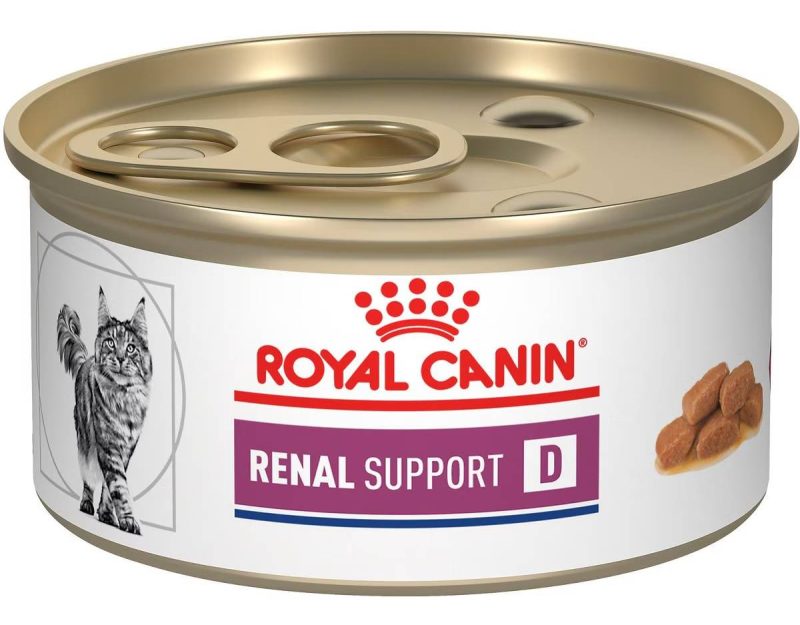
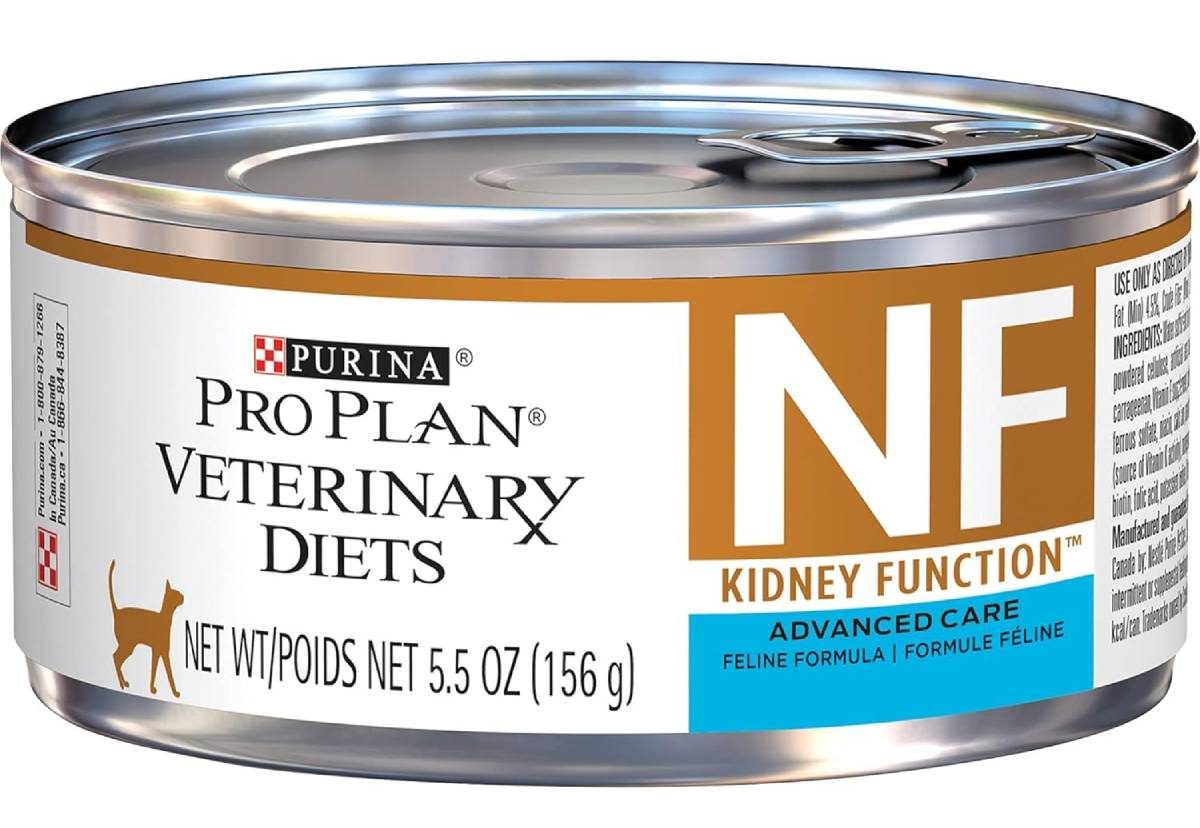
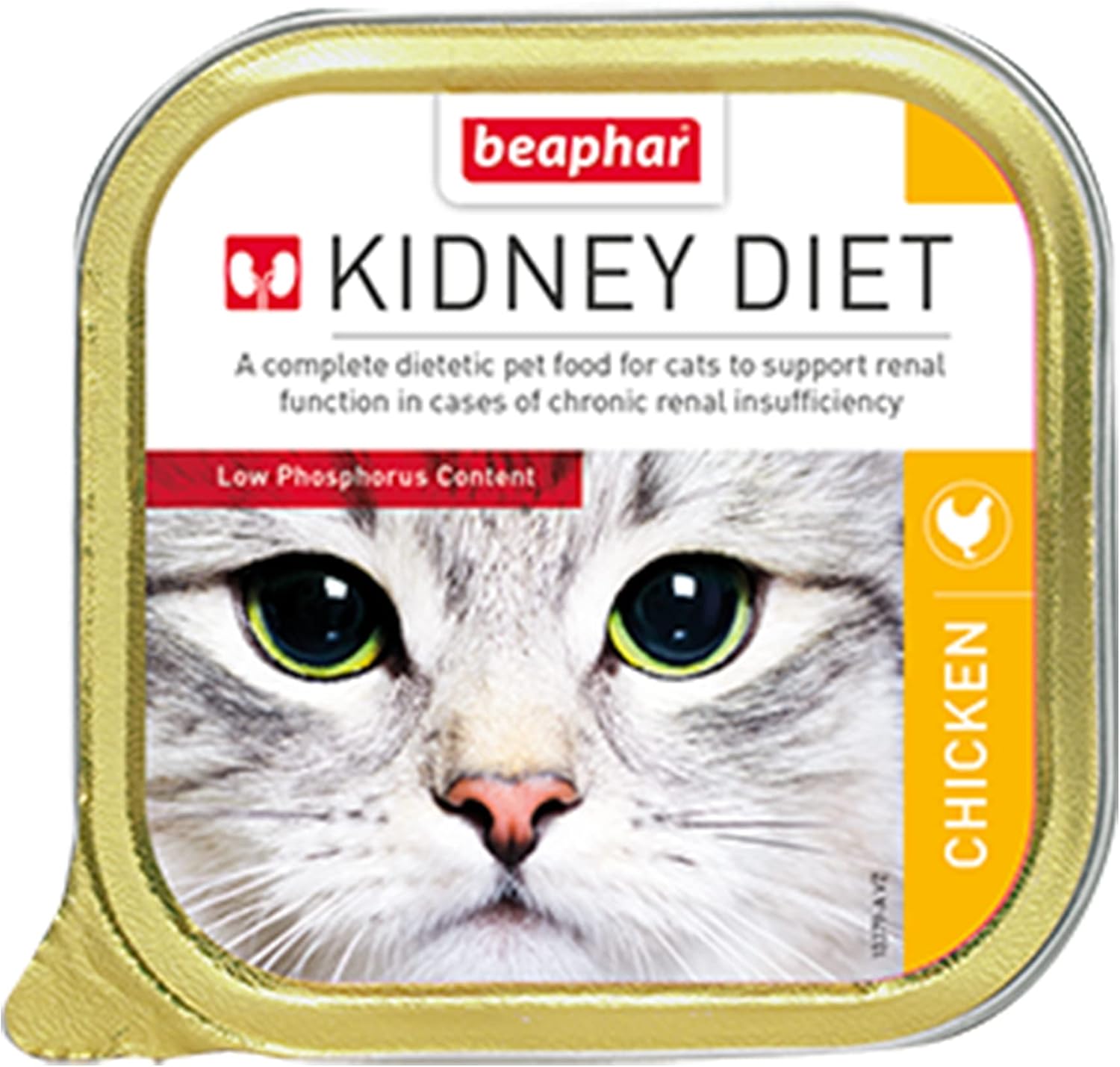
Best Cat Food For Kidney Disease Low Phosphorus
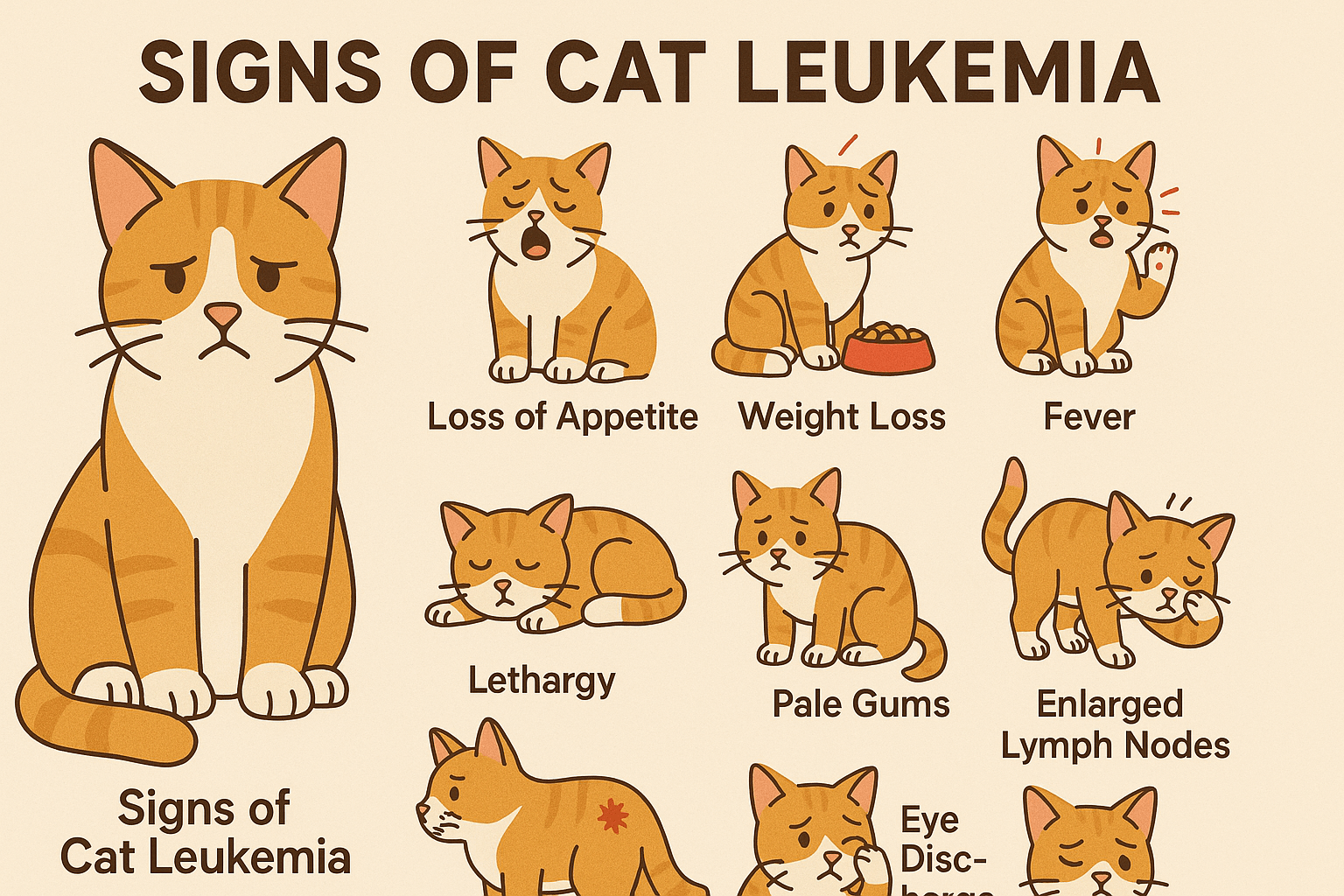
Cat Leukemia Kidney Disease Food Modifications
Furthermore, visual representations like the one above help us fully grasp the concept of Cat Leukemia Kidney Disease Food Modifications.
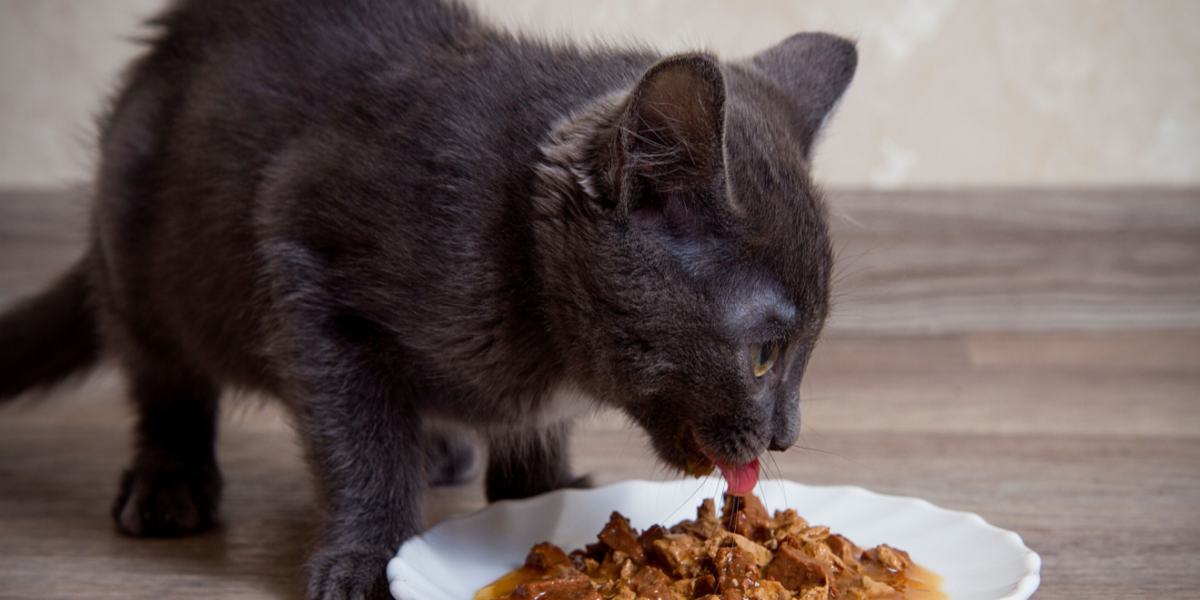
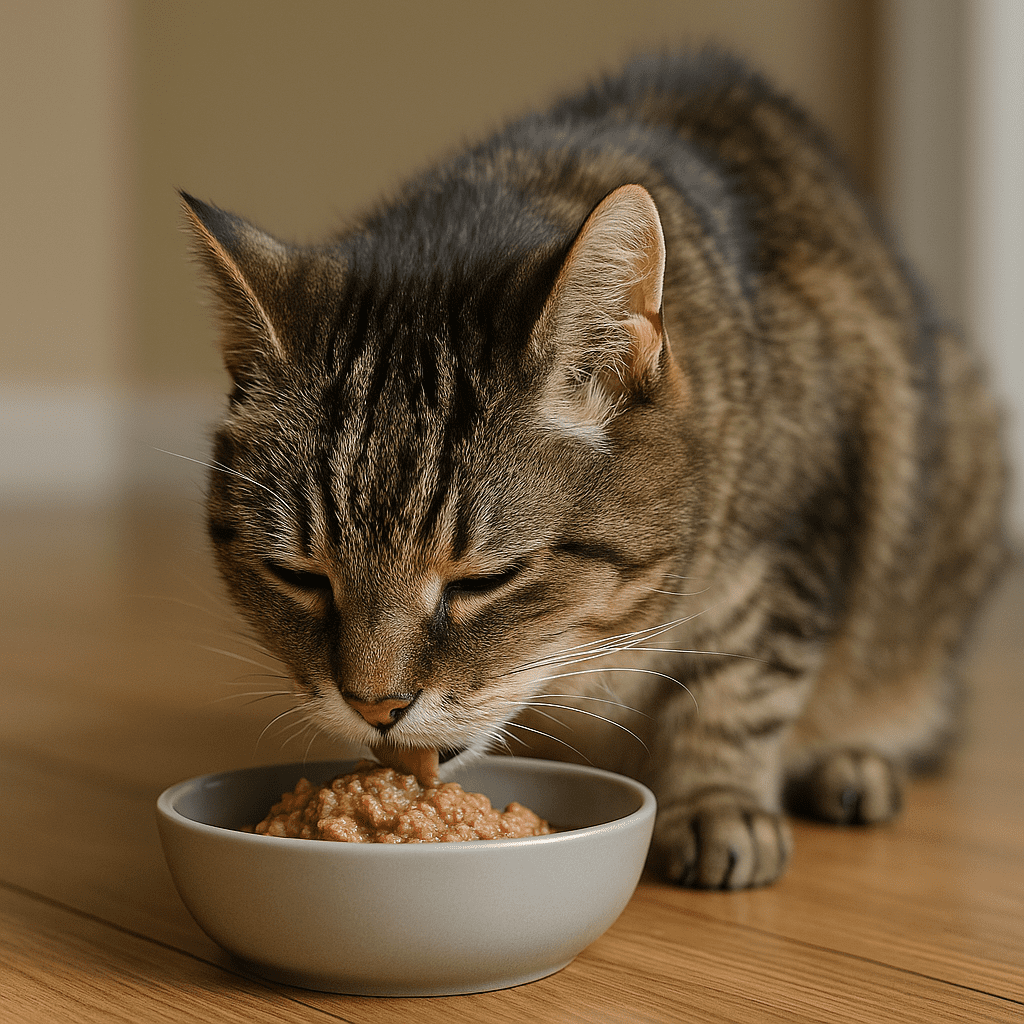
Feeding your cat the right food is the best way to slow the disease's progression, minimize symptoms, and give your cat the best life possible. " Proper nutrition plays a crucial role in managing kidney disease and improving your cat's quality of life," said Emma Passman, a commercial pet nutritionist based in the United Kingdom.
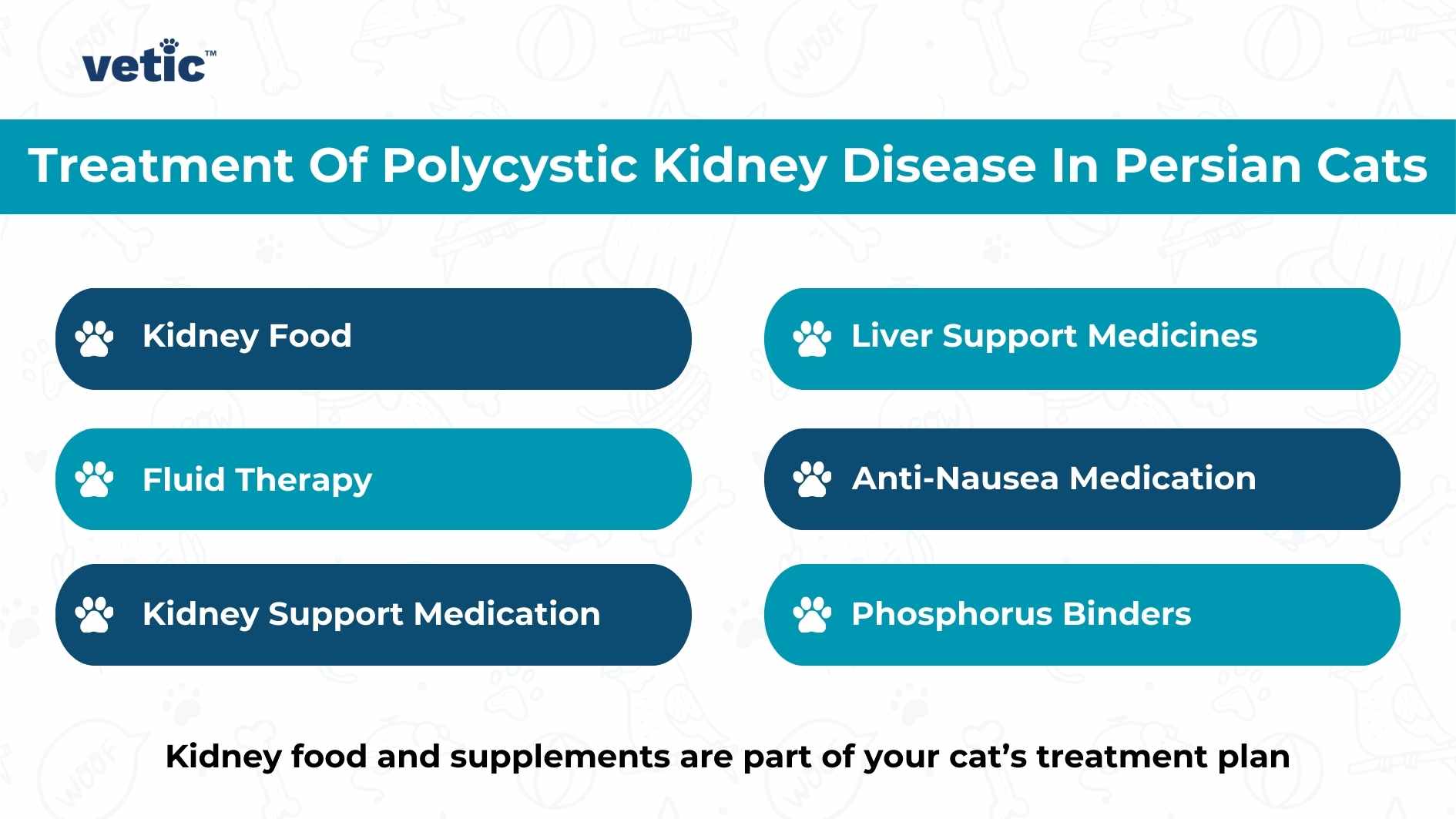
Optimal nutritional management of kidney disease should be tailored to the individual cat based on its stage of CKD and concurrent conditions. Assisted enteral nutrition can alleviate the stress that owners feel with hyporexic cats with CKD, and can allow for provision of optimal nutritional support.
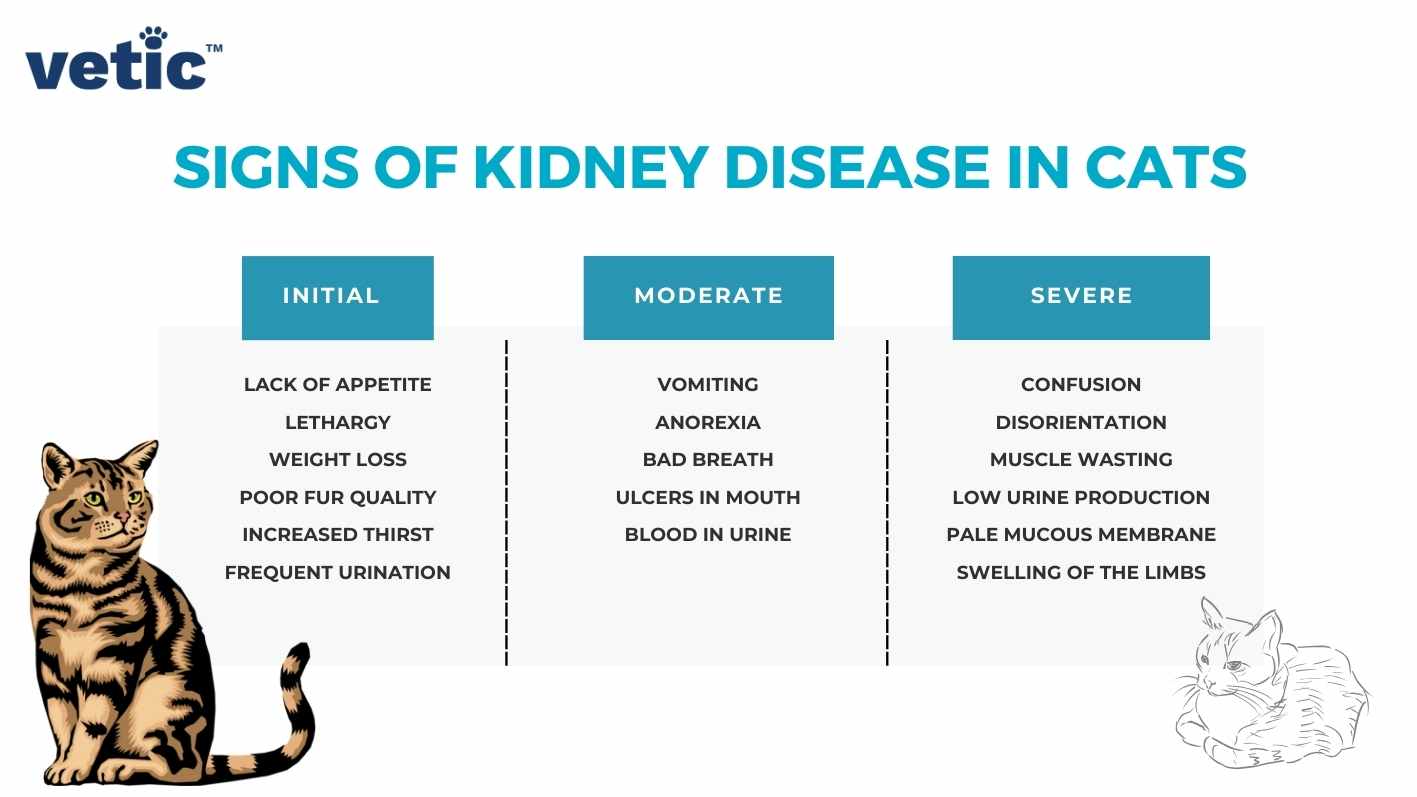
Cat Leukemia Kidney Disease Food Modifications
Nutritional management of cats with chronic kidney disease
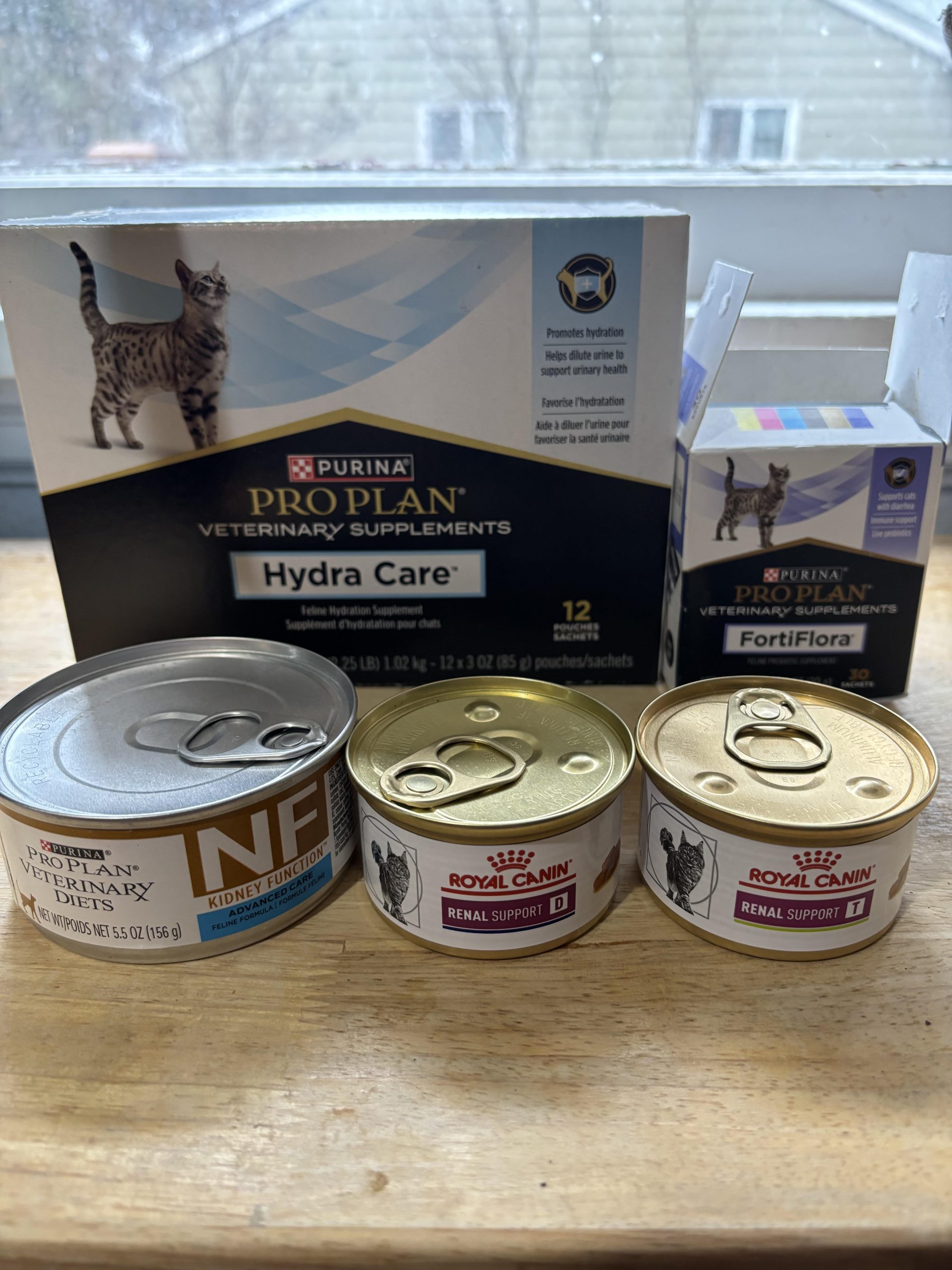
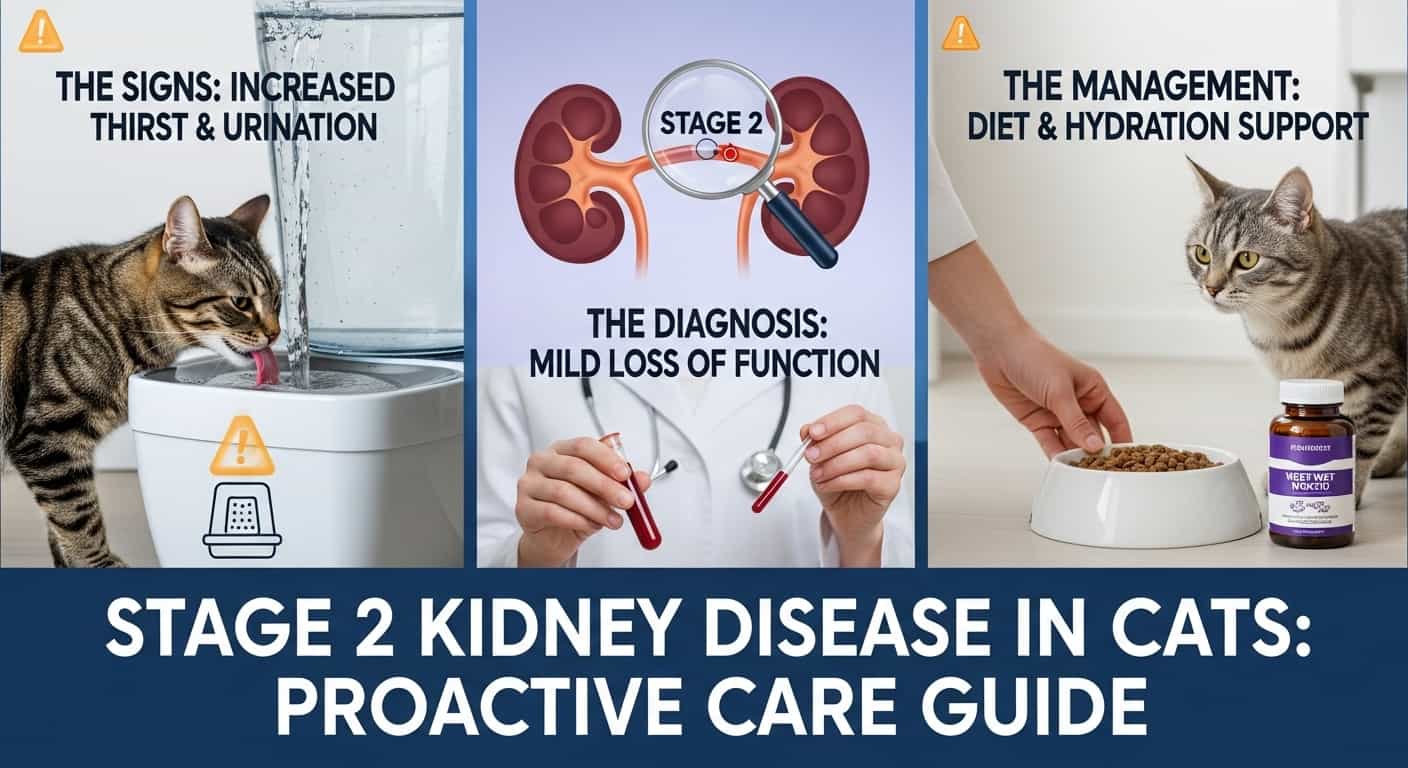
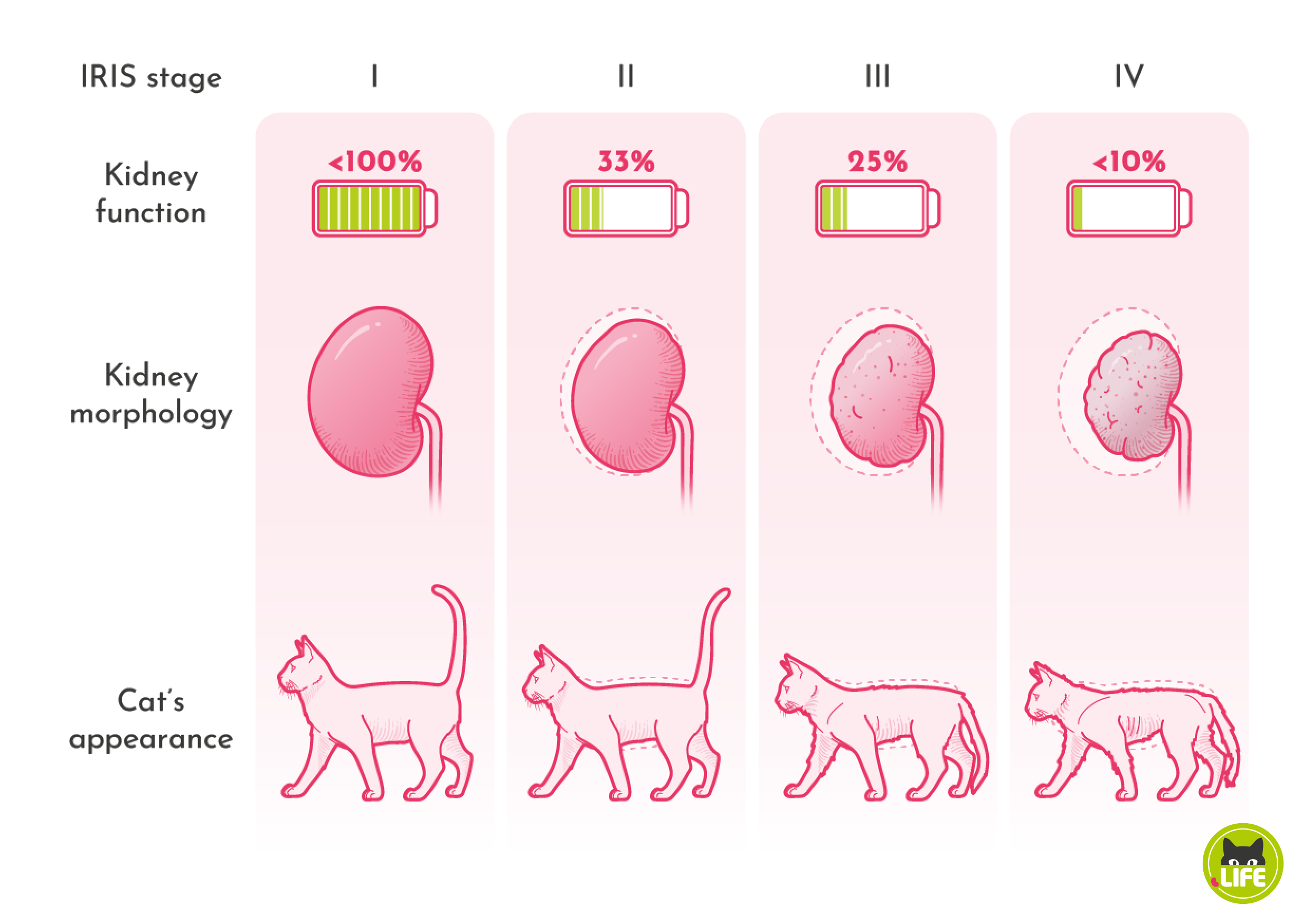
Nutritional management of cats with chronic kidney disease Diet plays a crucial role in managing CKD in cats . Dietary management can help slow the progression of the disease and extend survival time, alleviate clinical signs, and improve the quality of life. IRIS recommends to start feeding a clinical renal diet to cats with CKD in Stage 2.
The cats on the diet for renal disease showed fewer uraemic episodes and less renal disease -associated deaths (Ross et al, 2006). Lower protein diets have been thought to slow the progression of renal disease , but this is unproven in dogs and cats .