A Closer Look at Benadryl And Canine Immune System Disorders: Gallery & Guide
Why Doesn't Benadryl Work on My Dog
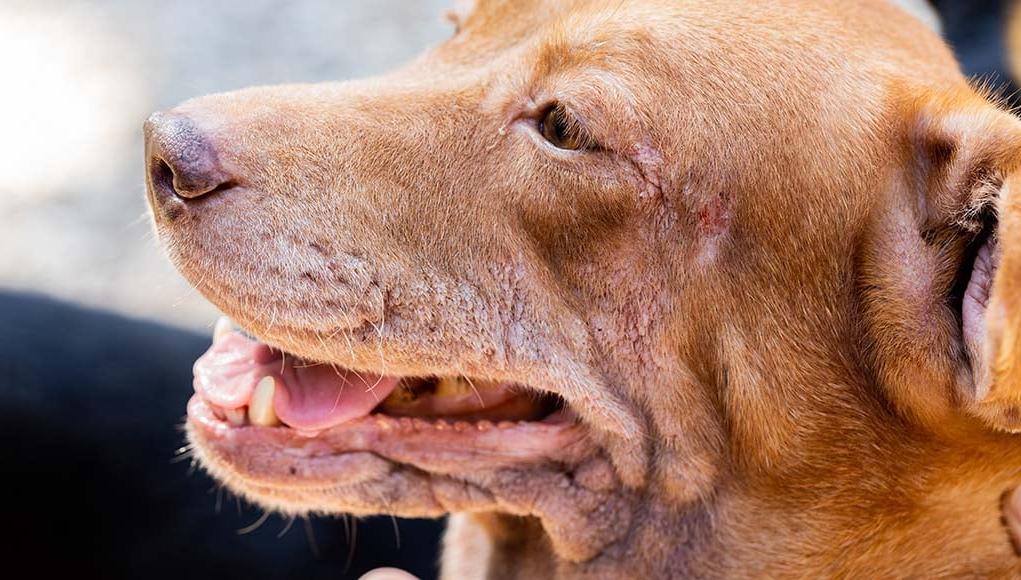
Understanding Canine Allergies Canine allergies are a common phenomenon, affecting millions of dogs worldwide. Allergies occur when a dog's immune system overreacts to a harmless substance, such as pollen, dust, or certain foods. This overreaction triggers the release of histamine, a chemical that causes blood vessels to dilate, leading to inflammation, itching, and a range of other ...
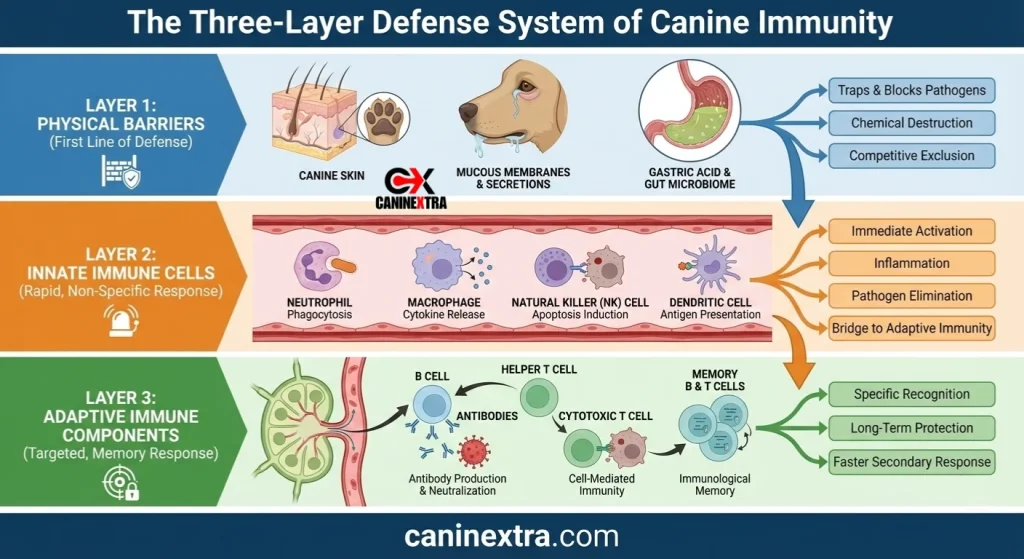
Benadryl And Canine Immune System Disorders
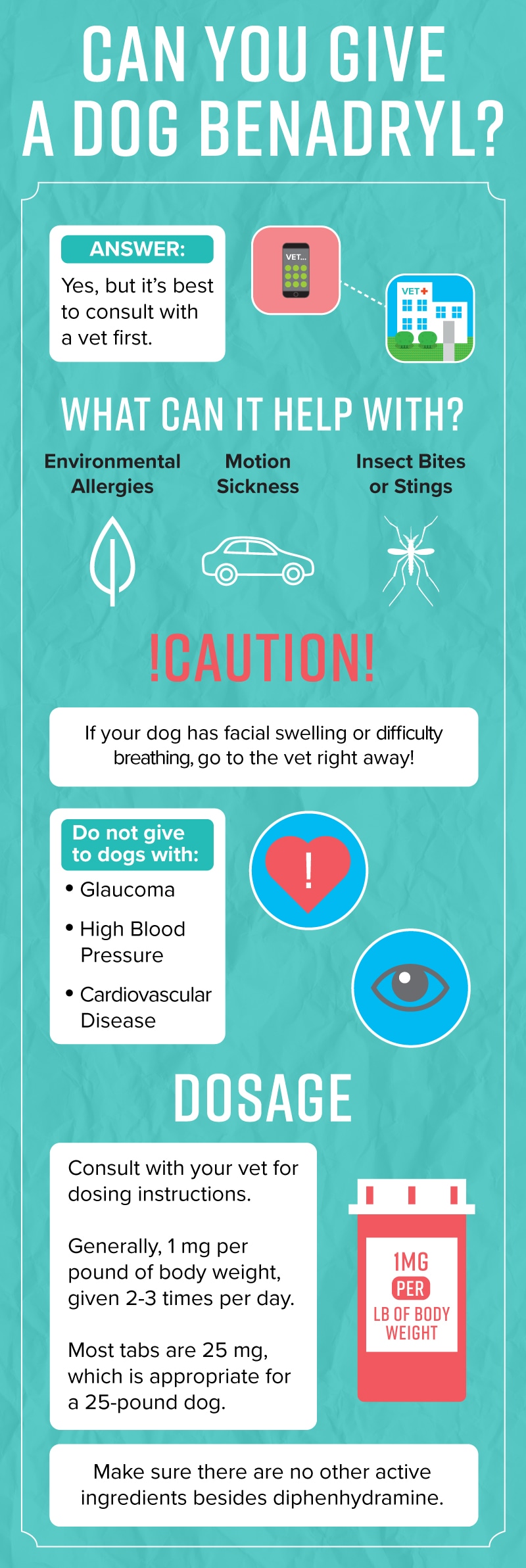
Many dogs with skin allergies require stronger prescription medications that regulate or suppress the immune system to control their symptoms. Some may also need antibiotics like Clavamox if they have secondary bacterial skin infections. Allergic reactions Acute allergic reactions to insect bites or stings, plants, pollen, or other allergens can be treated with Benadryl in dogs. Dogs ...
Benadryl And Canine Immune System Disorders
This particular example perfectly highlights why Benadryl And Canine Immune System Disorders is so captivating.
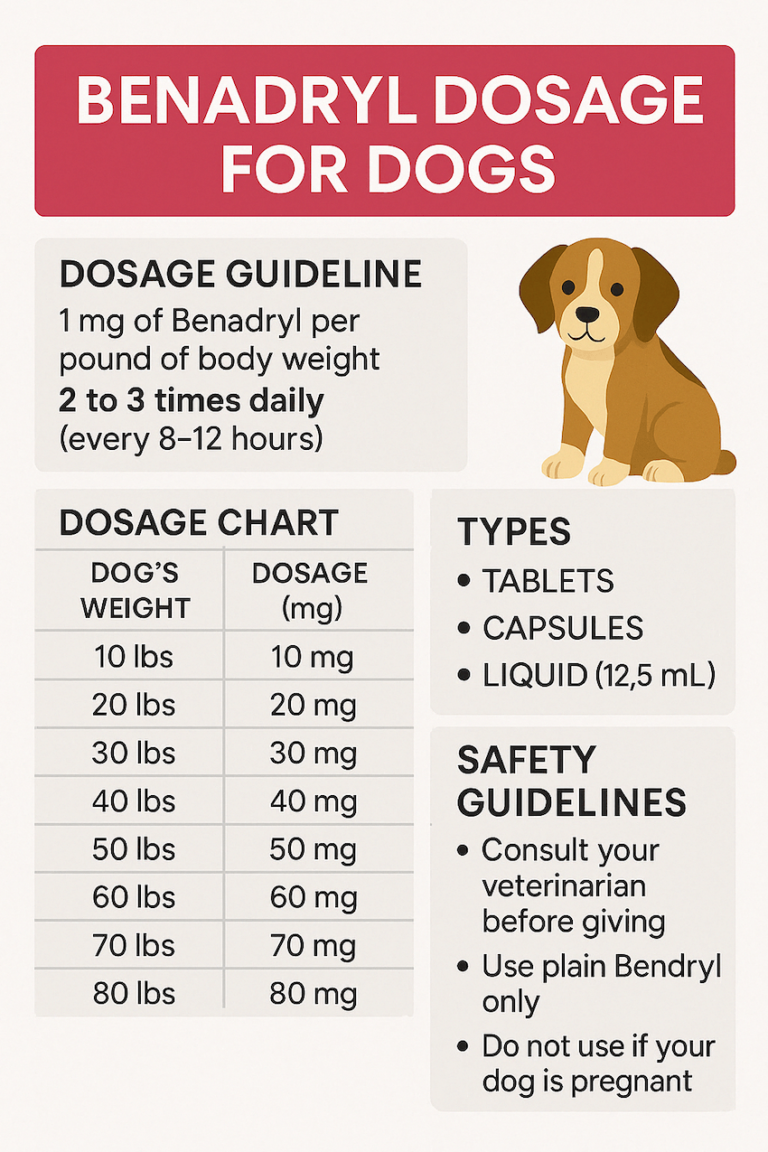
Benadryl for Dogs
Benadryl And Canine Immune System Disorders
Because it affects the immune system , Benadryl can help with some types of itching in dogs. Contact reactions to irritants such as poison ivy can improve with Benadryl .
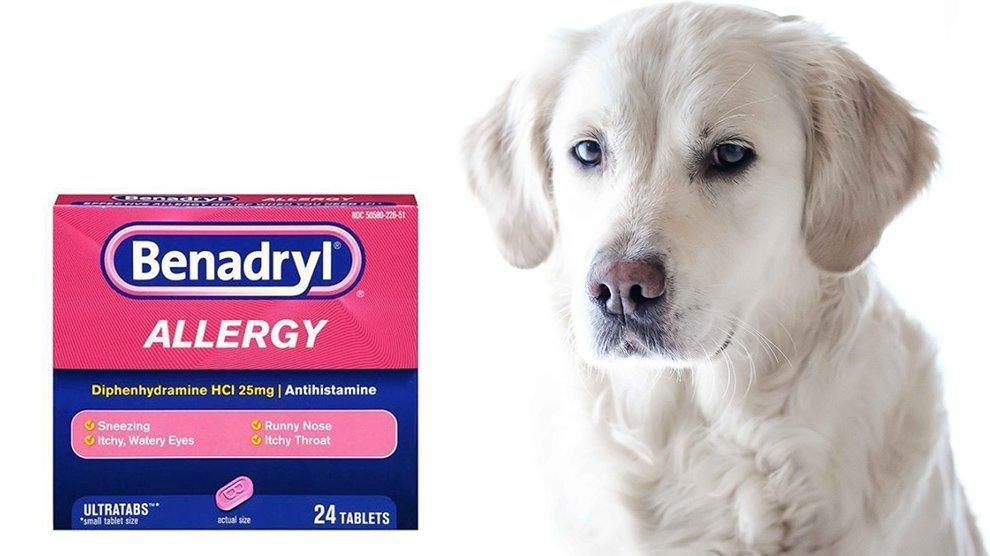
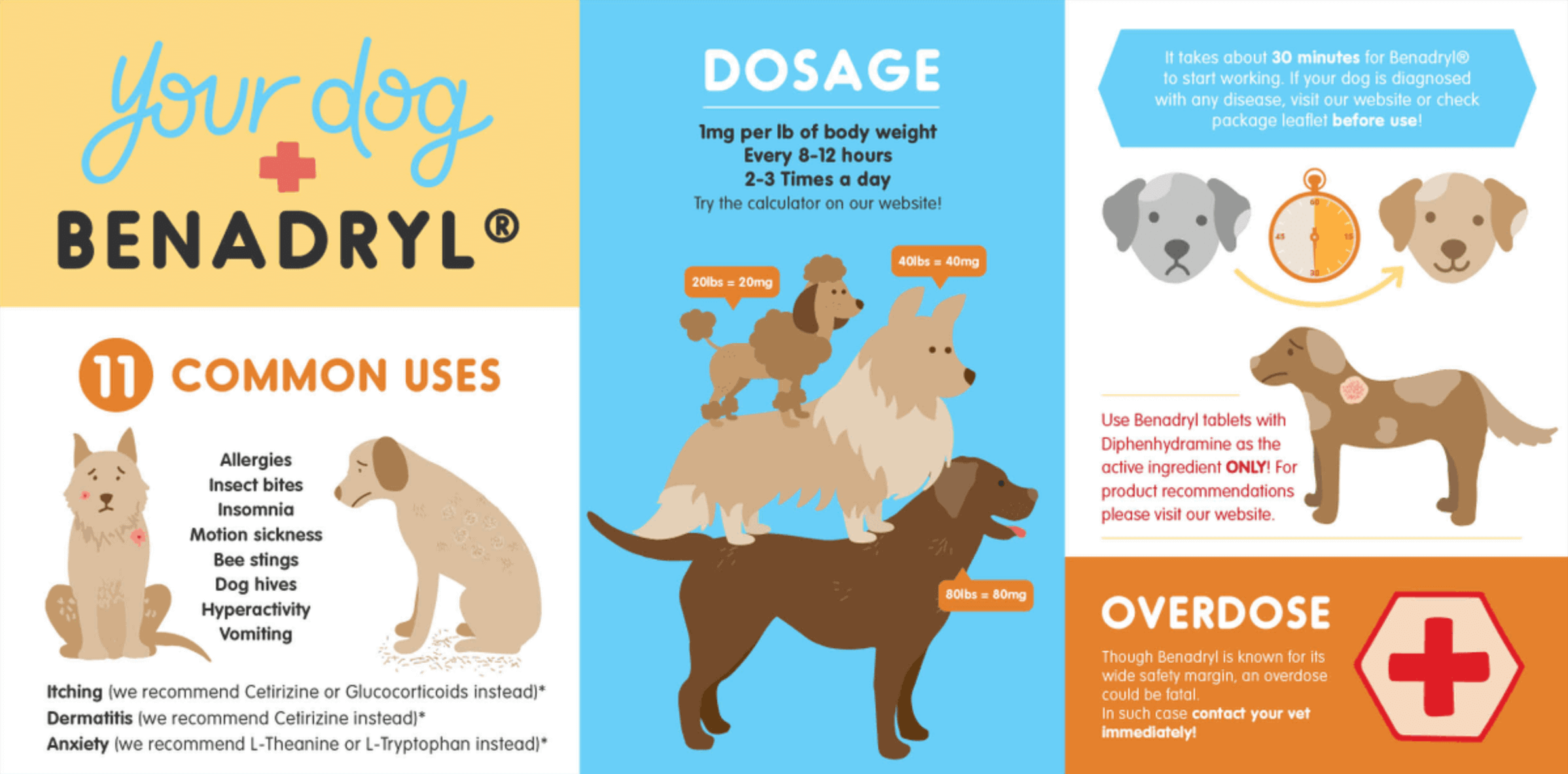
Benadryl works by blocking histamine receptors in your dog's body. When dogs encounter allergens, their immune systems release histamine, causing inflammation, itching, swelling, and discomfort. Diphenhydramine prevents histamine from binding to these receptors, effectively stopping the allergic response before it causes severe symptoms.