Bacterial Diseases of Fish
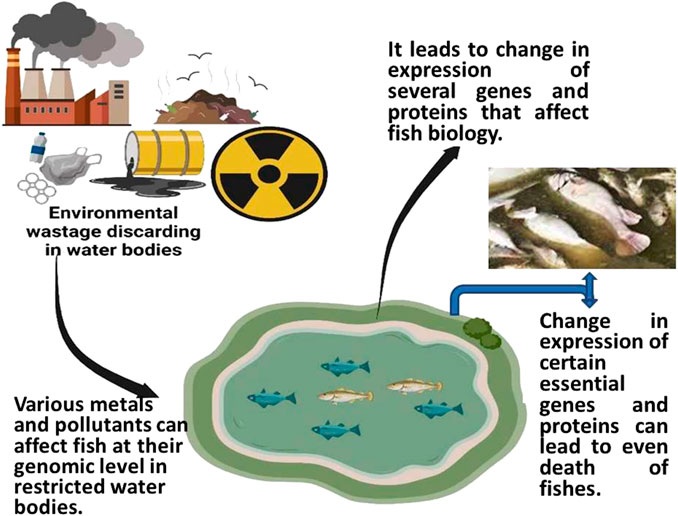
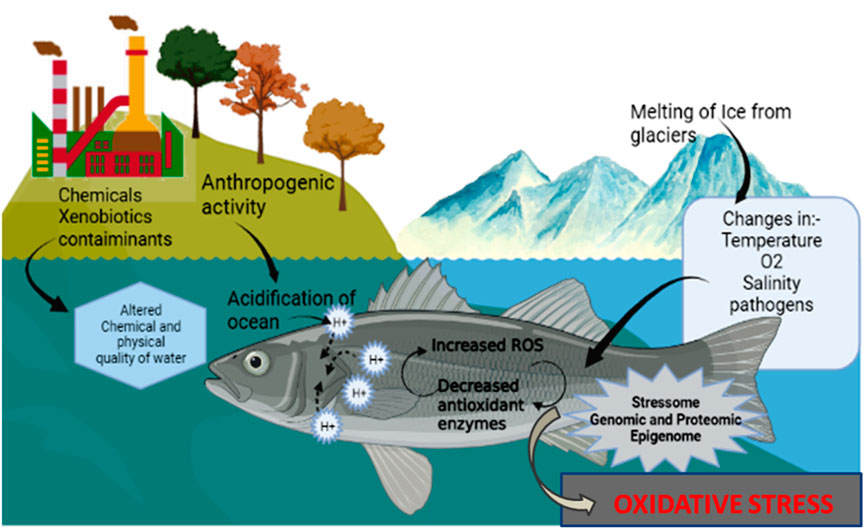
Epidemics of bacterial diseases are common in dense populations of cultured food or aquarium fish . Predisposition to such outbreaks frequently is associated with poor water quality, organic loading of the aquatic environment, handling and transport of fish , marked temperature changes, hypoxia, or other stressful conditions.

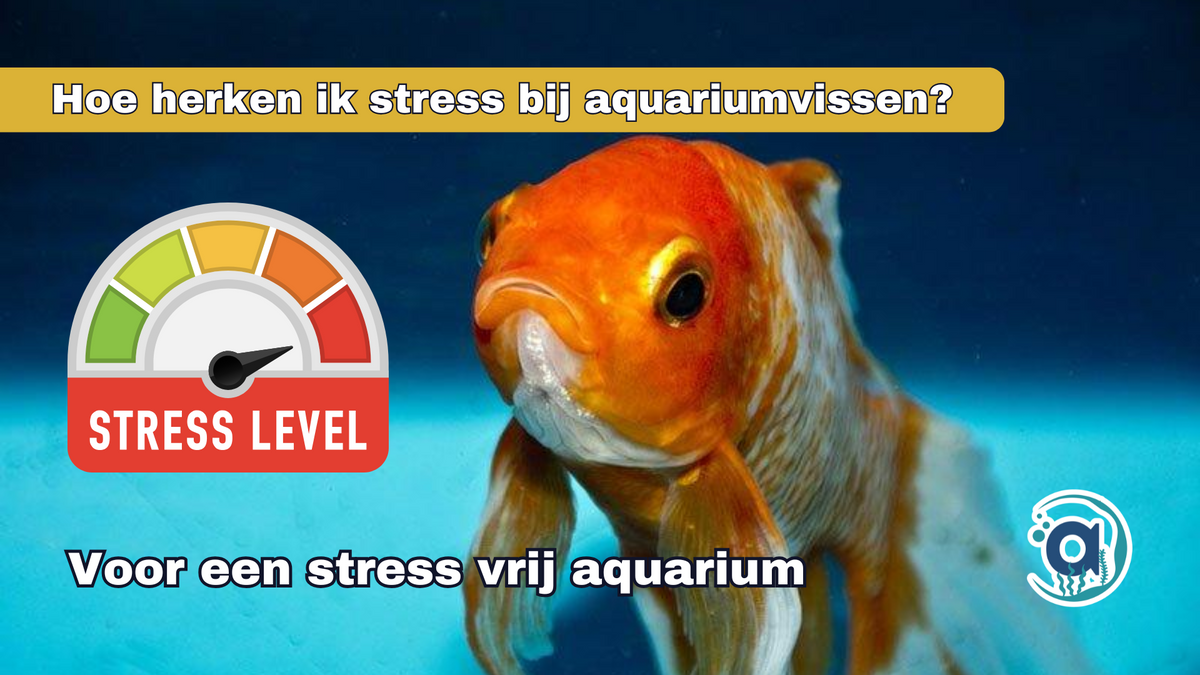
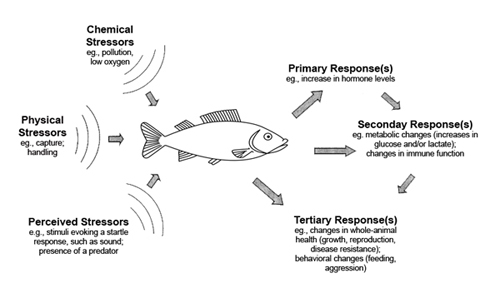
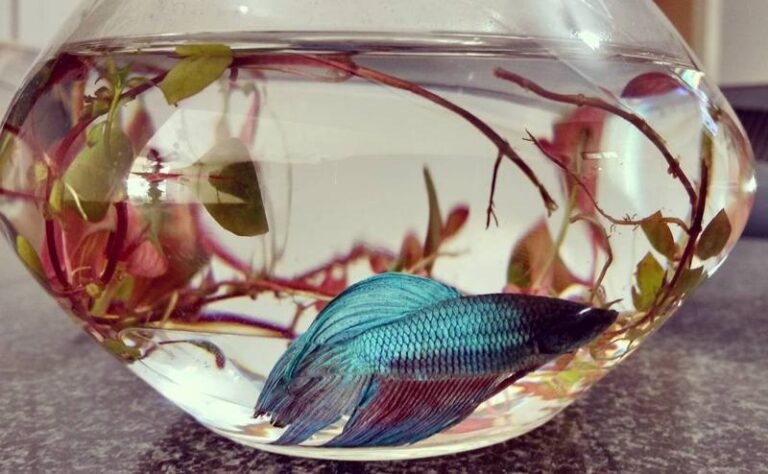
Aquarium enthusiasts often focus on water quality and diet to keep their fish healthy. However, stress is an equally important factor that can significantly affect the health of aquarium fish . Chronic stress can weaken their immune systems, making them more susceptible to bacterial diseases .

Moving forward, it's essential to keep these visual contexts in mind when discussing Aquarium Fish Physiological Stress Causes Bacterial Disease.
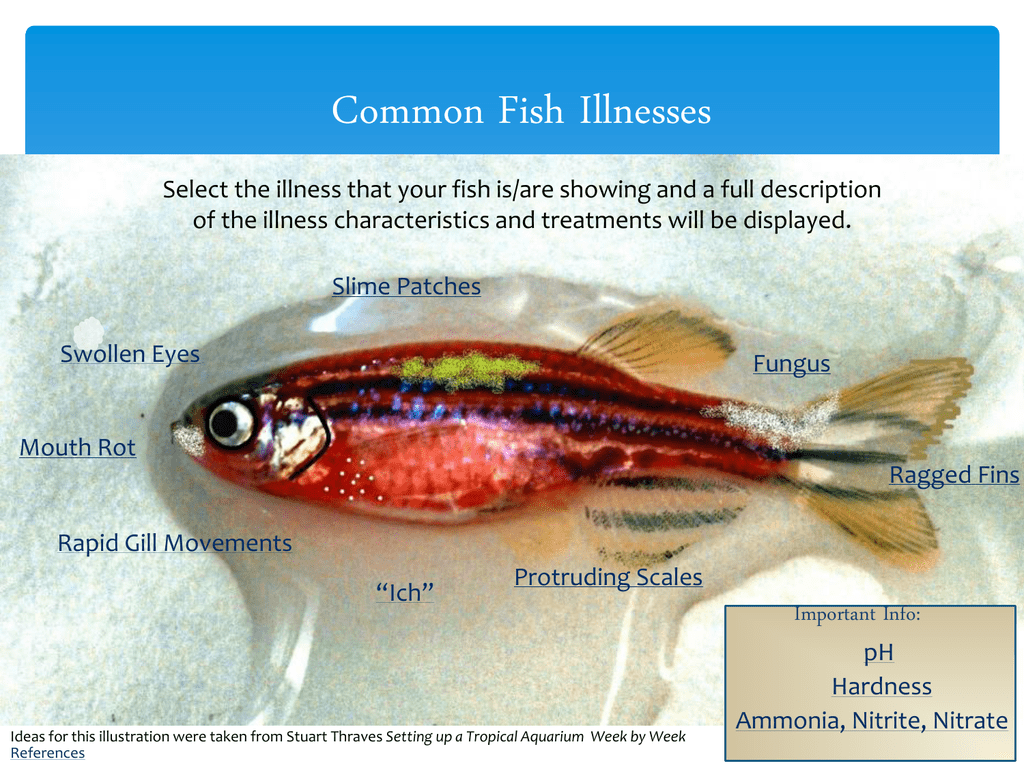
Common Saltwater Fish Diseases
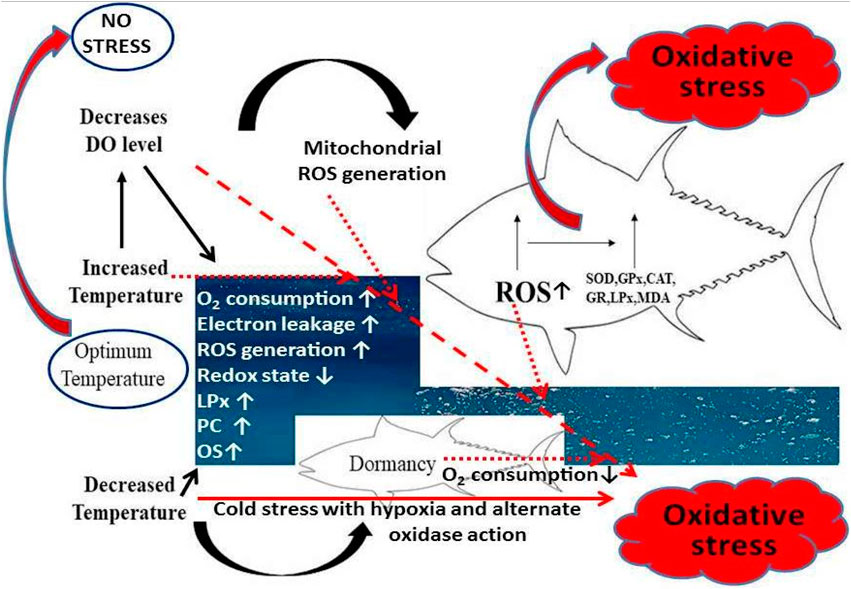
Such details provide a deeper understanding and appreciation for Aquarium Fish Physiological Stress Causes Bacterial Disease.
Key Takeaways Fish diseases spread quickly in closed aquarium systems. Early warning signs include appetite loss, flashing, rapid breathing, and unusual hiding. The most common saltwater fish diseases are marine ich, velvet, brooklynella, uronema, flukes, bacterial infections, and fungal infections. Stress from poor water quality, overcrowding, or aggressive tank mates weakens immunity and ...
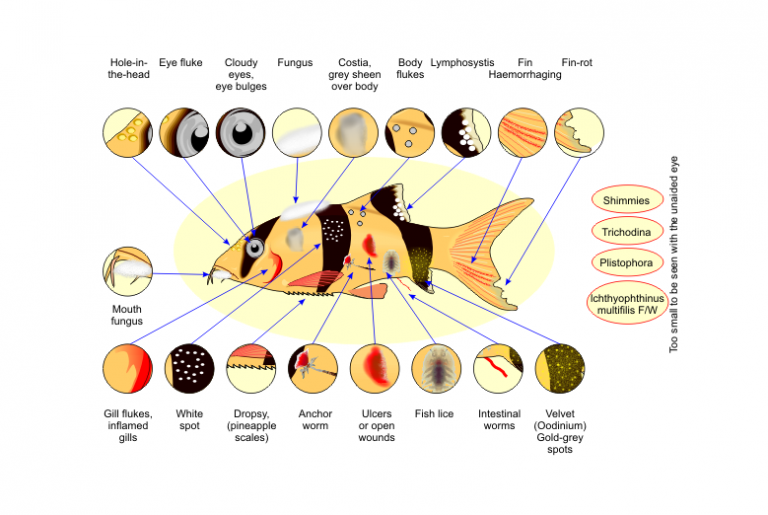
This disease also affects tropical aquarium fish and is believed to cause destruction and morbidity in wild fish [23]. Table 1 explains the most common bacterial pathogens and their symptoms in the aquatic system.